Injuries and wounds can happen anytime, and knowing how to care for them is important. One of the most helpful tools in first aid is a Conforming Bandage. You might see it in a first aid kit or in hospitals, and it is used to support injuries, hold dressings in place, or protect wounds. But using it correctly makes all the difference between comfort and trouble.
If you want reliable bandages for home or professional use, Livingstone International offers high-quality options like Conforming Cotton Bandage that are safe, strong, and easy to use.
In this blog, we will guide you step by step on how to apply a conforming bandage correctly, when to use it, and some tips to make sure it stays secure and comfortable.
What Is a Conforming Bandage?
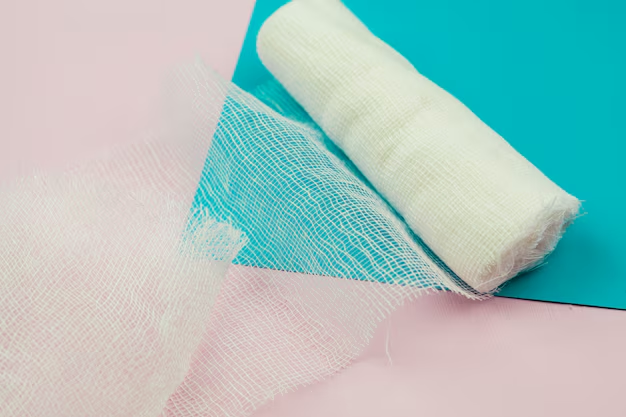
A Conforming Bandage is a soft, stretchable bandage made of cotton or cotton blend. It conforms, or fits, easily to the shape of the part of your body you are wrapping. This makes it great for irregular areas like elbows, knees, fingers, or ankles.
Unlike elastic bandages, conforming bandages are usually non-elastic but stretch slightly to hold a dressing firmly. They can be fastened with Conforming Bandage Clips or tape, keeping your wound covered and protected.
The main uses of a conforming bandage are:
- To hold a dressing in place.
- To provide gentle support for minor sprains.
- To protect wounds from dust or dirt.
When to Use a Conforming Bandage
You might wonder when it is best to use a conforming bandage. Here are some common situations:
- After minor cuts or scrapes, secure a dressing.
- To cover small burns after applying treatment.
- When supporting an injury like a sprained wrist or ankle.
- To hold medicated pads in place for skin treatments.
Knowing when to use the bandage will help you avoid discomfort and ensure proper healing. Always make sure the area is clean and dry before applying the bandage.
Step-by-Step Guide to Apply a Conforming Bandage Correctly
Applying a conforming bandage might seem tricky at first, but with a few steps, you can do it easily. Let’s go through them.
1. Wash Your Hands
Before touching the wound or bandage, wash your hands thoroughly. This reduces the risk of germs reaching the wound. You want to keep everything clean to avoid infection.
2. Prepare the Wound
Make sure the wound is clean and dry. Apply any antiseptic or medication needed. Place a dressing pad over the wound. A Conforming Cotton Bandage works best to hold the dressing in place without slipping.
3. Start Wrapping
Begin wrapping the bandage a little below the wound if you are wrapping a limb. Keep the first layer secure, but not too tight. Make sure the bandage covers the dressing completely.
- Hold the roll in one hand.
- Use the other hand to smooth and wrap evenly.
- Overlap each layer by about half of the bandage width.
4. Keep the Bandage Firm but Comfortable
It’s important that the bandage is snug but not too tight. Too tight can reduce blood flow and cause discomfort. Too loose can make it slip and fail to protect the wound.
Check for signs that it’s too tight:
- Fingers or toes turning pale or blue.
- Tingling or numbness in the wrapped area.
If you notice these, remove and rewrap the bandage.
5. Secure the Bandage
Once the bandage is in place, use Conforming Bandage Clips or medical tape to secure the end. Clips are reusable and convenient, while tape works well for single use. Make sure the end of the bandage stays flat and does not roll up.
6. Check Comfort and Movement
After applying the bandage, gently move the limb to make sure it is comfortable. The bandage should allow some movement but still support the area. If it slips or feels uncomfortable, adjust it.
7. Recheck Regularly
Bandages can shift with movement. Check the bandage at least once or twice a day, especially if it covers a joint. Reapply or adjust if needed. Keep the wound clean and dry underneath.
Tips for Using Conforming Bandages
Using a conforming bandage correctly helps speed up healing and prevents problems. Here are some helpful tips:
- Always keep a Conforming Bandage Clips handy. They make fastening easier.
- Don’t wrap too tightly — comfort is important.
- If the bandage becomes wet or dirty, replace it immediately.
- For sensitive skin, choose a Conforming Cotton Bandage for softness.
- Store bandages in a clean, dry place for long life.
Common Mistakes to Avoid
Even simple bandages can cause problems if used incorrectly. Avoid these mistakes:
- Wrapping too tightly and cutting off circulation.
- Not covering the dressing fully.
- Leaving the bandage too loose.
- Reusing a dirty bandage.
- Ignoring signs of swelling or irritation.
By following proper steps, you can avoid these common errors.
Why Use a Conforming Cotton Bandage?
Conforming cotton bandages are soft, breathable, and comfortable. They allow air to reach the wound, helping it heal faster. They also hold dressings securely without slipping, which is very important for wounds on elbows, knees, or fingers.
When combined with Conforming Bandage Clips, they make first aid faster, safer, and more reliable. Whether at home, work, or in a clinic, having a good conforming bandage can make a real difference.
Conclusion
Applying a Conforming Bandage correctly is simple when you follow the right steps. From washing your hands to securing the bandage with clips, each step ensures the wound stays protected and comfortable. Using Conforming Cotton Bandage keeps your skin safe and allows the dressing to stay in place.
If you want high-quality bandages and first aid products, Livingstone International provides reliable, safe, and easy-to-use conforming bandages and clips. Our products help you care for wounds at home or in professional settings. You can check their official page for more options:
With the right technique and products, you can make sure your wounds heal safely and comfortably.