When you’re dealing with small cuts, scrapes, or preparing skin for treatment, having something simple and reliable really helps. That’s where Liv Wipe Mini Alcohol Swabs from Livingstone International come in. These small prep pads are easy to carry, quick to use, and designed to keep things clean when it matters most. Let’s explore more about it.
What Are Liv Wipe Mini Alcohol Swabs?
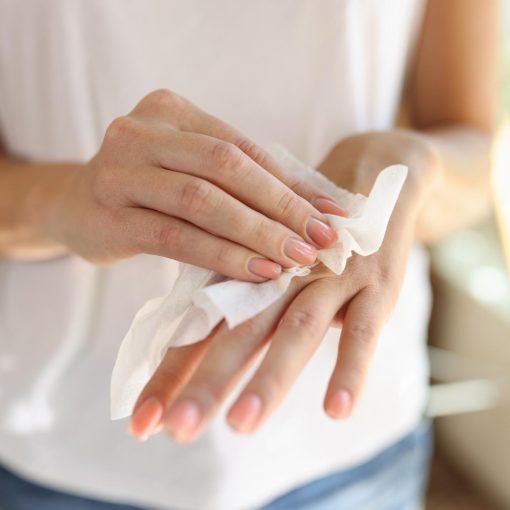
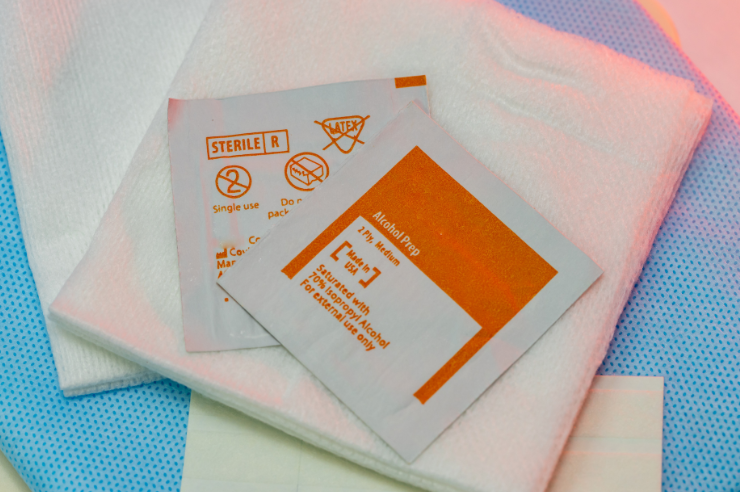
Liv Wipe Mini Alcohol Swabs are small, single-use pads soaked in 70% isopropyl alcohol. They are mainly used to clean the skin before injections or to disinfect minor wounds.
You’ll often find them in:
- First aid kits
- Medical clinics
- Homes
- Travel bags
Each mini liv wipe alcohol swab is individually wrapped, which means you always get a fresh and hygienic wipe when you open one.
Why Cleaning a Wound Properly Matters
When you get a cut or scrape, it might look small, but it can still allow bacteria to enter your skin. That’s why cleaning the area properly is one of the most important steps in first aid.
According to health guidance, applying proper first aid can speed up healing and reduce the risk of infection.
It’s also recommended that you:
- Wash your hands before touching the wound
- Rinse the wound gently with clean water
- Remove dirt or debris carefully
These simple steps make a big difference in how well your skin heals.
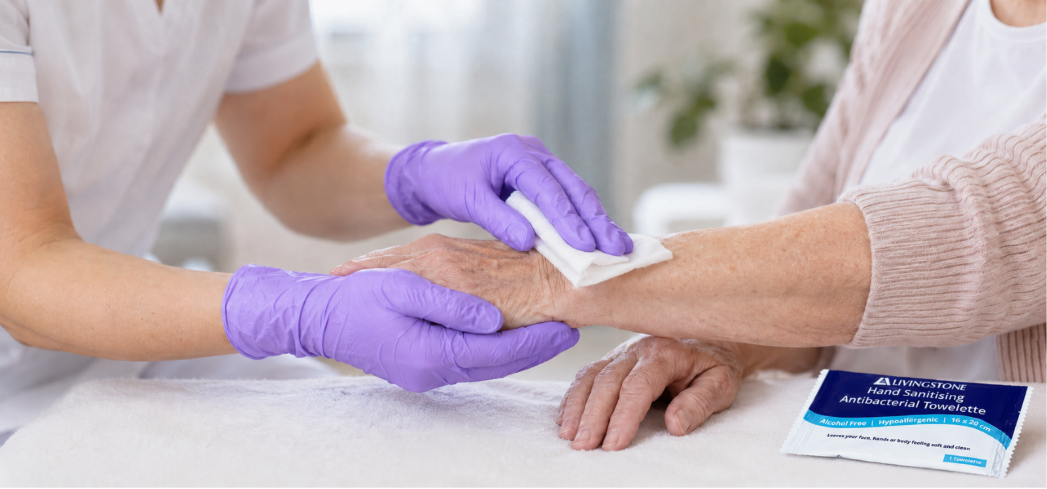
This is where using liv wipe mini alcohol swabs can support your first aid routine. While water is used to clean the wound itself, a 70 isopropyl alcohol swab for skin is useful for cleaning the surrounding area or preparing the skin before treatment.
Benefits of Using Liv Wipe Mini Alcohol Swabs
1. Easy to Carry
These mini alcohol swabs are compact, so you can keep them in your pocket, bag, or car without any hassle.
2. Hygienic and Safe
Each 70 isopropyl alcohol swab for skin is sealed, which keeps it clean until you use it.
3. Quick to Use
You don’t need to prepare anything. Just open the packet and use it straight away.
4. Cost-Effective
They come as mini alcohol swabs 100 per box, making them a practical option for regular use.
Step-by-Step: How to Use Liv Wipe Mini Alcohol Swabs
Using these swabs is simple, but doing it the right way makes a big difference.
1. Clean Your Hands First
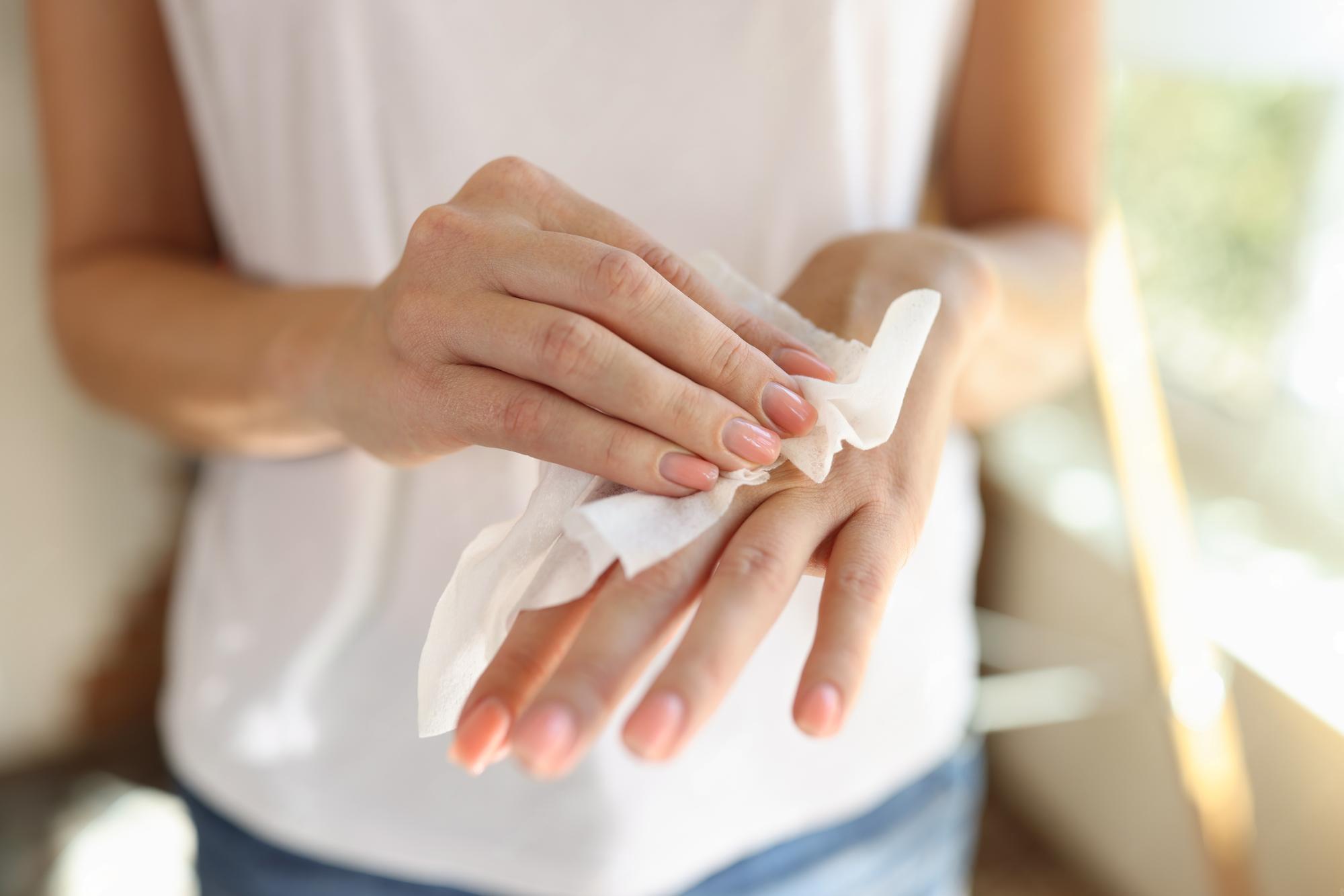
Before touching the wound, make sure your hands are clean. If possible, wash them or use a sanitiser.
2. Open the Swab Carefully
Take one liv wipe mini alcohol swabs packet and tear it open gently. Avoid touching the pad too much to keep it clean.
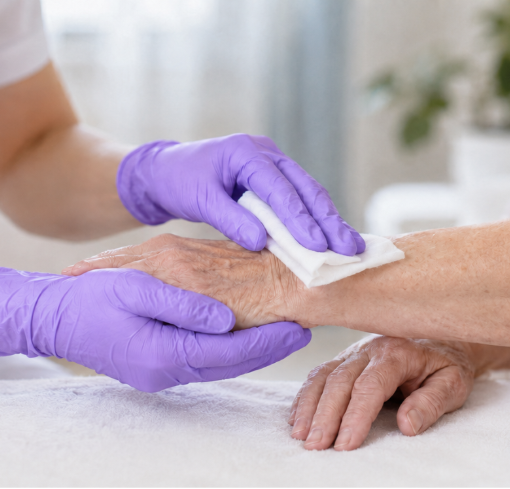
3. Clean the Affected Area
Use the swab to gently wipe the skin:
- Start from the centre of the wound
- Move outward in a circular motion
This helps push dirt and bacteria away from the wound instead of into it.
4. Let It Dry Naturally
After applying the alcohol swab isopropyl alcohol 70, allow the area to air dry. Don’t blow on it or wipe it again.
5. Apply Dressing if Needed
Once the skin is clean and dry, you can apply a bandage or dressing if required.
When Should You Use Alcohol Swabs?
You can use 70 percent isopropyl alcohol swab products in several everyday situations:
- Cleaning small cuts and grazes
- Preparing skin before injections
- Disinfecting minor wounds
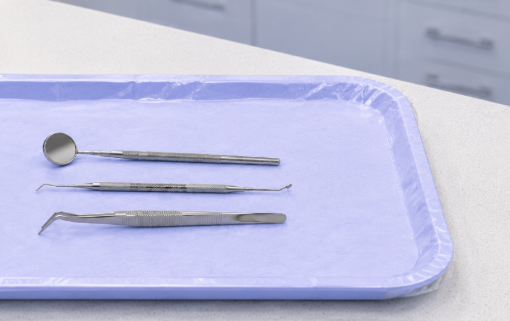
- Cleaning tools like tweezers
- First aid during travel or outdoor activities
They’re especially useful when you don’t have access to soap and water.
Things You Should Avoid
While mini alcohol swabs are useful, there are a few things you should keep in mind:
- Don’t use them on deep or serious wounds
- Avoid using them near the eyes
- Don’t reuse a swab
- Don’t apply too much pressure on sensitive skin
Also, alcohol can sometimes cause a slight stinging feeling—that’s normal, but if irritation continues, stop using it.
Why 70% Isopropyl Alcohol?
You might wonder why these swabs use 70 isopropyl alcohol swabs instead of a higher percentage.
The reason is simple:
70% alcohol is actually more effective at killing bacteria because it penetrates cells better and doesn’t evaporate too quickly.
That’s why alcohol swab 70 isopropyl alcohol is widely used in medical and first aid settings.
Tips for Keeping Your First Aid Kit Ready
If you’re building or updating your first aid kit, here are a few simple tips:
- Always include mini alcohol swabs 100 per box for regular use
- Store them in a cool, dry place
- Check expiry dates from time to time
- Keep them easily accessible
Having liv wipe mini alcohol swabs ready means you can act quickly when minor injuries happen.
Conclusion
Taking care of small injuries doesn’t have to be complicated. With Liv Wipe Mini Alcohol Swabs, you get a simple, reliable way to clean and protect the skin when it matters most. Whether you’re at home, at work, or on the go, these swabs make first aid easier and more hygienic. If you want a dependable option, products from Livingstone International are worth considering for your first aid essentials.
FAQs
1. Can you use Liv Wipe Mini Alcohol Swabs on all types of wounds?
No, these swabs are best for minor cuts, scrapes, and skin preparation. For deep wounds or serious injuries, you should seek medical attention instead of relying only on alcohol swabs.
2. Why is 70% isopropyl alcohol used in these swabs?
A 70 percent isopropyl alcohol swab is effective because it kills bacteria efficiently while staying on the skin long enough to disinfect properly. Higher concentrations evaporate too quickly.
3. Are mini alcohol swabs safe for sensitive skin?
Most people can use mini alcohol swabs without issues, but if you have sensitive skin, you may feel slight irritation. It’s always a good idea to test on a small area first.
4. How many swabs should you keep in a first aid kit?
Keeping a box of mini alcohol swabs 100 per box is ideal. This ensures you always have enough for emergencies and regular use.
5. Can these swabs be used before injections?
Yes, 70 isopropyl alcohol swabs for skin are commonly used to clean the injection site before medical procedures. They help reduce the risk of infection.
6. Do alcohol swabs expire?
Yes, they do. Over time, the alcohol may dry out, making the swab less effective. Always check the packaging and replace expired swabs when needed.