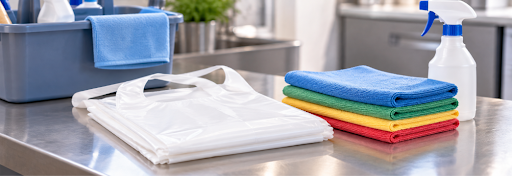
Facial tissues and sanitiser wipes support different but complementary parts of everyday hygiene. Facial tissues provide a convenient option for personal comfort, coughs, sneezes and general clean-up, while sanitiser wipes can support routine hand, surface or equipment hygiene when used according to their intended purpose. Together, they can help maintain cleaner, more comfortable shared and personal spaces across homes, workplaces, schools, healthcare settings and hospitality environments.
For households and professional facilities alike, suitable hygiene consumables should be easy to access, practical to use and appropriate for everyday routines. Products such as Sofeel Executive Facial Tissues and Liv-Eco Sanitiser Wipes are examples of familiar hygiene formats used across both personal and professional environments, where convenience, correct use and accessibility are important considerations.
Why Do Facial Tissue and Sanitiser Wipe Quality Matter in Everyday Use?

Facial tissue and sanitiser wipe quality matters because strength, absorbency, moisture level and suitability for the intended task influence how effectively each product can be used. A tissue that tears easily or a wipe that is too dry may require additional product and make routine hygiene less convenient.
For facial tissues, softness and strength are particularly relevant during repeated use around the nose and face. In homes, these qualities can support everyday comfort, while workplaces, schools and care environments may also consider durability and accessibility when providing tissues in shared areas.
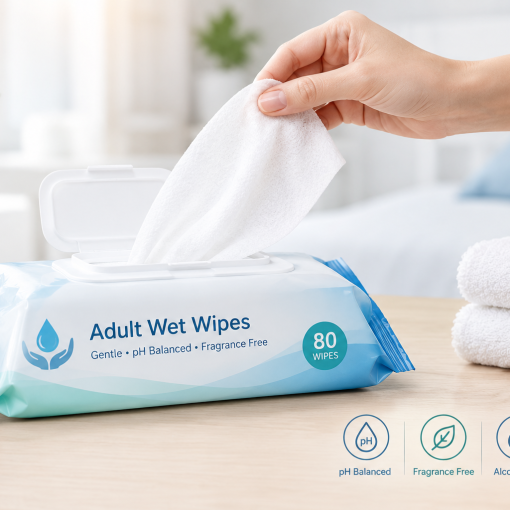
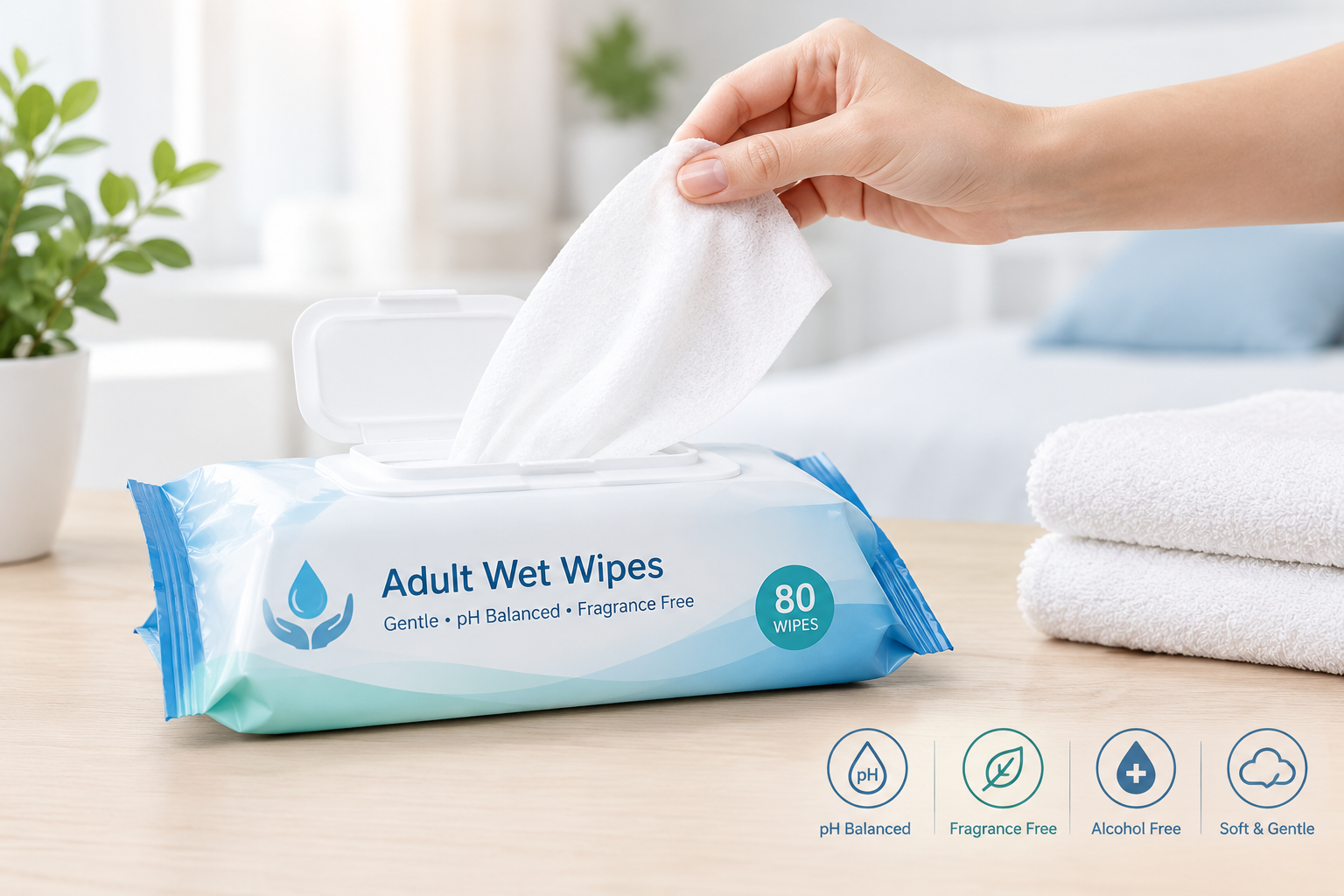
For sanitiser wipes, performance depends on their formulation, moisture level and intended application. Wipes should always be used according to their directions, particularly when determining whether they are intended for hands, surfaces, equipment or a combination of these uses.
For organisations, consistent access to suitable hygiene products can support everyday workplace and facility routines. For households, the same considerations help make routine personal and surface hygiene easier to manage.
How Do Facial Tissues and Sanitiser Wipes Work Together in a Hygiene Routine?
Facial tissues and sanitiser wipes can complement each other by addressing different everyday hygiene tasks. Tissues support respiratory and personal hygiene by helping contain nasal or respiratory secretions, while appropriate sanitiser wipes may support hand or surface hygiene. Their roles are different, but both can contribute to broader hygiene routines.
What Is the Role of Facial Tissue and Sanitiser wipes in a Complete Everyday Hygiene Approach?
Facial tissues are primarily used for personal hygiene around the nose and face, including covering coughs or sneezes and managing nasal secretions. Sanitiser wipes have a different role, supporting hand, surface or equipment hygiene where the specific product is labelled for those applications.
Health guidance recommends using a tissue or elbow when coughing or sneezing, disposing of used tissues appropriately and performing hand hygiene afterwards. Cleaning frequently touched surfaces can also form part of routine hygiene in shared environments.
For businesses and facilities, this may mean making appropriate hygiene products accessible in workstations, reception areas, classrooms, treatment areas or shared spaces. At home, the same basic principles can be applied in kitchens, bathrooms, living areas and other frequently used spaces.
The important point is that tissues and wipes are not interchangeable. Each should be used for its intended purpose as part of a practical and consistent hygiene routine.
Frequently Asked Questions About Facial Tissues and Sanitiser Wipes
What is the difference between a 2-ply and a 3-ply facial tissue?
A 2-ply facial tissue is constructed from two bonded layers of tissue paper, providing softness and structural integrity for everyday use. A 3-ply tissue adds a third layer for additional softness and absorbency, which is preferred for frequent use by individuals with sensitive skin or during illness when the nose and face require more frequent wiping.
Can sanitiser wipes be used on skin as well as surfaces?
This depends on the formulation of the specific sanitiser wipe. Surface sanitiser wipes are formulated for hard surfaces and may contain ingredients at concentrations appropriate for surfaces but not for direct skin contact. Check the product label and Safety Data Sheet before using a surface sanitiser wipe on skin. For hand sanitising, use a product specifically formulated and tested for skin contact.
How should sanitiser wipes be stored to maintain their effectiveness?
Sanitiser wipes should be stored in a sealed pack or resealable container away from direct sunlight and heat sources, which accelerate evaporation of the sanitising solution. Opened packs should be resealed immediately after removing a wipe. Wipes that have dried out are no longer effective as sanitisers and should be discarded. In workplaces with low humidity or air conditioning, opened wipe packs may dry out more quickly than in ambient indoor conditions.
Facial tissues and sanitiser wipes may be simple everyday items, but they can make routine hygiene more convenient across both personal and shared environments. Accessible tissues can support respiratory etiquette and personal comfort, while suitable sanitiser wipes can assist with hand, surface or equipment hygiene when used for their intended purpose.
For businesses, schools, healthcare facilities and hospitality environments, the focus should be on accessibility, appropriate product selection and consistent hygiene practices. For households and individuals, convenience, correct use and suitability for everyday routines are equally important.
Together, facial tissues and sanitiser wipes can form part of a practical hygiene approach that supports cleaner, more comfortable spaces wherever people live, work, learn, receive care or gather.
References
Healthdirect Australia (2023) Hand washing. Australian Government. https://www.healthdirect.gov.au/hand-washing
Safe Work Australia (2026) Managing the risks of biological hazards at work. Australian Government.
https://www.safeworkaustralia.gov.au/safety-topic/hazards/biological-hazards/managing-risks
Safe Work Australia (2026) Biological hazards: About biological hazards. Australian Government.
https://www.safeworkaustralia.gov.au/safety-topic/hazards/biological-hazards/about-biological-hazards