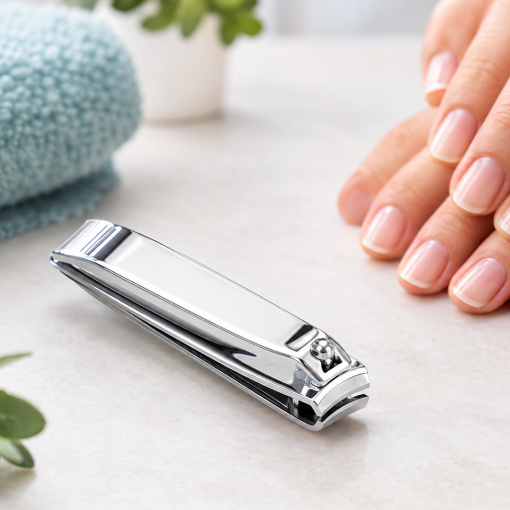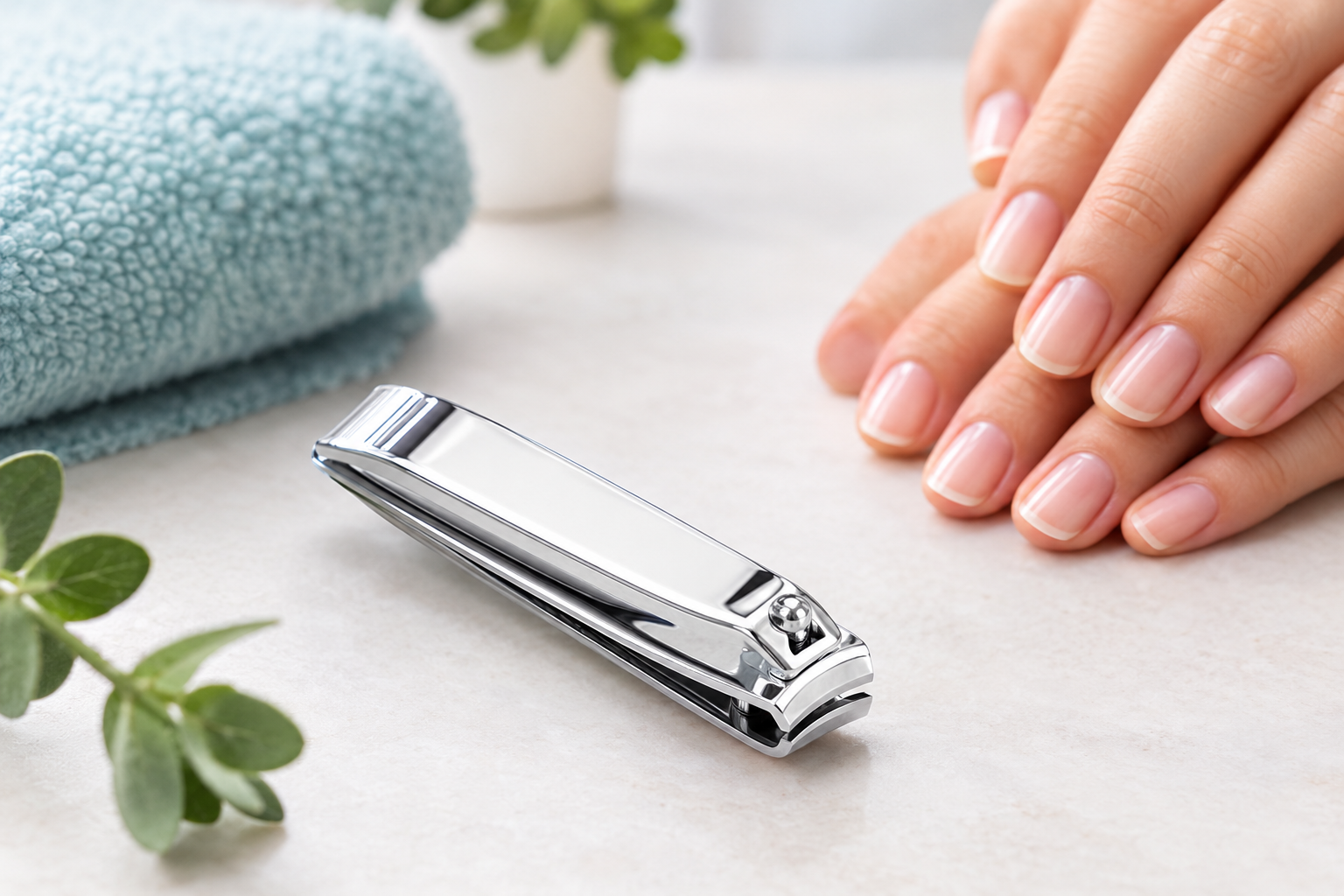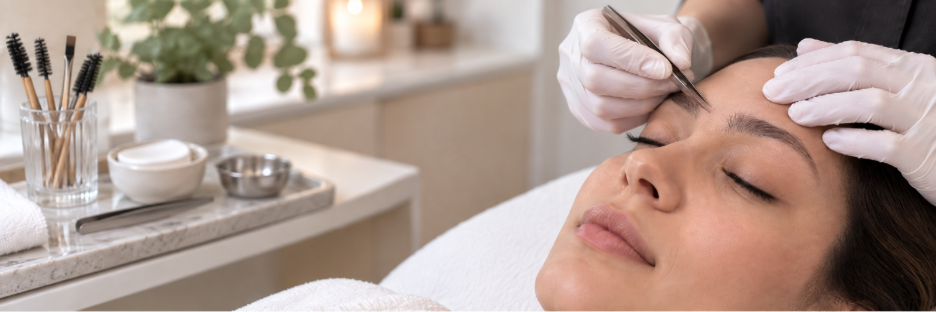
Stainless Steel manicure tools offer durability, precision and compatibility with professional cleaning and reprocessing procedures, making them a practical choice for nail salons, beauty salons, beauty professionals and home users. When correctly selected, used and maintained, reusable tools such as cuticle pushers and nippers can support consistent nail preparation and appropriate hygiene practices.
Professional manicure tools regularly come into contact with nails, cuticles, skin, and nail debris. Their material, condition and intended use therefore influence both treatment performance and how effectively they can be cleaned before reuse.
The Livingstone Cuticle Pusher and Livingstone Cuticle Nipper work together to support essential nail preparation and cuticle-care tasks, providing practical stainless-steel tools for both professional salon services and personal manicure routines.
What Are the Benefits of Stainless-Steel Manicure Tools?
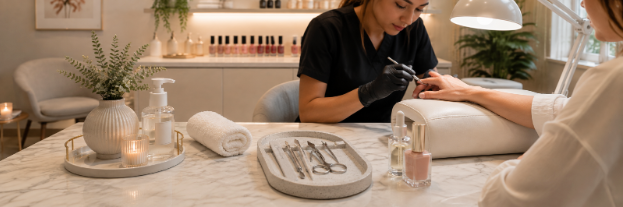
Stainless steel manicure tools provide durability, precision, cleanability, and resistance to regular professional use. Unlike many disposable tools, suitable reusable stainless-steel implements can undergo appropriate cleaning and reprocessing when their design and manufacturer instructions permit, making them practical for salons handling multiple manicure and pedicure appointments.
Their smooth, non-porous surfaces support effective removal of debris during cleaning, although stainless steel alone does not guarantee hygiene. Every reusable implement still needs to undergo the appropriate cleaning and reprocessing procedure before being used on another client.
Well-maintained stainless-steel tools can also retain their shape and function through repeated professional use. Nail technicians should regularly inspect implements for corrosion, rough areas, damage or deterioration that could affect safe use or effective cleaning.
How Should Stainless Steel Manicure Tools Be Cleaned Between Clients?
Reusable stainless steel manicure tools should be appropriately reprocessed after each client, beginning with thorough cleaning to remove nail debris, skin material and other contamination. Depending on how an instrument was used and what it contacted, further disinfection or sterilisation may be required before it can safely be reused.
- A practical professional process begins with separating used instruments from clean equipment. Tools should then be inspected for corrosion, cracks, damaged surfaces, or other deterioration that may prevent effective cleaning.
- Suitable implements can be cleaned using an appropriate detergent and cleaning method, ensuring joints, cutting areas, and recessed surfaces are addressed. Instruments should then be rinsed and dried where required.
- Any necessary disinfection or sterilisation should occur after cleaning. The correct level of reprocessing depends on whether the instrument contacted intact skin, non-intact skin, blood, or sterile tissue.
Once processed, tools should be stored in a clean, dry environment that protects them from contamination before their next use.
How Should Stainless Steel Manicure Tools Be Maintained?
Stainless steel manicure tools should be kept clean, dry, mechanically sound and free from corrosion or damaged surfaces. Regular inspection helps identify declining cutting performance, stiff joints, rough edges or other deterioration that could affect precision, hygiene or client comfort during manicure and pedicure services.
- Cuticle nippers should open and close smoothly. If the pivot becomes stiff, servicing may be required rather than applying excessive force during use.
- The cutting edge should also be monitored. A nipper that begins pulling, crushing or tearing rather than cutting cleanly may require professional sharpening or replacement.
- Cuticle pushers and nail cleaners should be inspected for damaged or rough working surfaces. An instrument that cannot be effectively cleaned or safely used should be removed from service.
Tools should also be stored dry and positioned, so working edges are protected from repeated contact with other implements, which may contribute to premature wear.
When Should Stainless Steel Manicure Tools Be Replaced?
Stainless-steel manicure tools should be replaced when corrosion, cracks, damaged surfaces, jaw misalignment or other deterioration prevents effective cleaning or controlled use. There is no universal replacement period because tool life depends on product quality, frequency of use, maintenance, reprocessing methods and storage conditions.
Regular inspection is therefore more useful than following a fixed replacement schedule. A cuticle nipper may remain serviceable after professional sharpening, provided its jaws remain correctly aligned, and the instrument can still be effectively reprocessed. A damaged cuticle pusher or nail cleaner should be removed from use if its working surface becomes rough, distorted or difficult to clean.
Why Are Stainless Steel Manicure Tools a Practical Choice?
Stainless steel manicure tools provide a practical balance of durability, precision and compatibility with professional hygiene procedures. Cuticle pushers, nail cleaners and nippers can support consistent manicure preparation when they are correctly selected, carefully used, regularly inspected and appropriately reprocessed between clients.
The Livingstone Cuticle Pusher, Nail Cleaner and Knife provides a reusable 13 cm option for nail preparation, while the Livingstone Cuticle Nipper offers a 100 mm design with a 5 mm straight jaw for controlled cuticle-trimming tasks.
For professional salons, product quality is only one part of good nail care. Reusable instruments must also be cleaned and reprocessed according to their intended use, stored correctly, and removed from service when they become damaged or difficult to clean.
References
Queensland Health (2026) Compliance resources: personal appearance services. Queensland Government. :https://www.health.qld.gov.au/public-health/industry-environment/personal-appearance/services/resources
Victorian Department of Health (2019) Infection prevention and control guidelines for hair, beauty, tattooing and skin penetration industries.
https://www.health.vic.gov.au/publications/infection-prevention-and-control-guidelines-for-hair-beauty-tattooing-and-skin