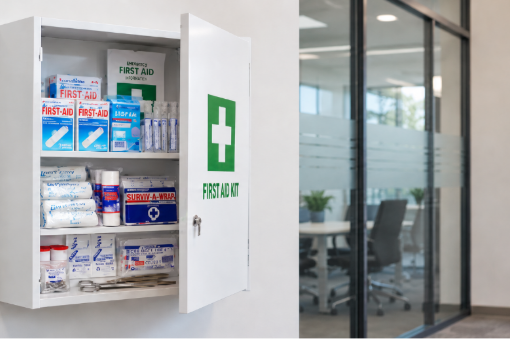
Heat stress in the workplace is a serious safety consideration for employees working in hot environments, where high temperatures, physical effort and limited cooling opportunities can increase the risk of heat-related illness. Preparing suitable workplace cooling solutions can support faster responses when workers experience early signs of heat strain. Products such as the Hot and Cold Pack and Arctic Cooling Spray can be included as practical cooling supplies within workplace first aid and heat management procedures.
Heat-related illness can affect workers in outdoor environments, construction areas, warehouses, kitchens, manufacturing facilities and other workplaces where heat exposure, physical activity or poor ventilation increase body temperature. Recognising symptoms early and having appropriate cooling resources available helps workplaces respond effectively while following established first aid procedures.
What Causes Heat Stress in the Workplace?
Heat stress in the workplace occurs when the body cannot regulate its temperature effectively because heat gain exceeds the body’s ability to release heat. Factors such as temperature, humidity, physical workload, radiant heat, airflow and protective clothing can all contribute to increased heat exposure.
The body naturally cools itself through sweating and increased blood circulation near the skin. However, these cooling mechanisms become less effective when environmental conditions are extreme or when workers perform physically demanding tasks for extended periods.
Outdoor workers may experience additional heat exposure from direct sunlight, while indoor workers can face risks from machinery, production processes or areas with restricted airflow. Environments such as kitchens, roof spaces, warehouses and manufacturing sites may create heat conditions that require effective workplace controls.
Personal factors can also influence how workers respond to heat. Workers who are new to hot conditions, returning after time away, taking certain medications or performing unfamiliar physical tasks may require additional consideration during heat management planning.
What Are the Early Warning Signs of Heat-Related Illness?
Heat-related illness can begin with early warning signs such as thirst, fatigue, reduced concentration and discomfort before progressing into more serious conditions. According to Safe Work Australia, recognising heat-related symptoms early and responding with appropriate first aid measures can help reduce the risk of the condition becoming more severe.
Common warning signs may include excessive sweating, dehydration, dark urine, headaches, dizziness, muscle cramps, heat rash and difficulty concentrating. These symptoms can affect a worker’s ability to safely complete tasks and may increase the likelihood of workplace incidents.
Dehydration is a common early indicator because the body loses fluid through sweating during hot conditions. Heat cramps may occur when workers perform strenuous activities and lose fluids through prolonged sweating.
Heat rash can develop when sweat ducts become blocked, causing irritation and small red spots on areas such as the neck, chest, back or thighs. Fainting associated with heat exposure should always be treated seriously and requires appropriate first aid assessment.
How Does First Aid for Heat-Related Illness Support Workplace Recovery?
First aid for heat-related illness focuses on reducing heat exposure, supporting the body’s natural cooling process and monitoring the worker for worsening symptoms. Appropriate responses may include moving the worker to a cooler location, providing fluids where suitable and applying workplace-approved cooling methods based on the situation.
For mild heat-related symptoms, allowing the worker to rest in a cooler area and removing unnecessary clothing or personal protective equipment can assist recovery. Cooling products can support these actions by providing practical resources for workplace first aid responses.
A Hot and Cold Pack can provide a practical cooling option during workplace heat discomfort by offering a reusable cooling resource that may be applied where suitable. It can form part of a workplace first aid supply approach alongside other heat management controls.
Workers experiencing symptoms that do not improve, become severe or indicate a more serious condition should receive appropriate medical attention. Cooling products support first aid responses but do not replace emergency medical treatment when urgent care is required.
How Should Heat Stroke Be Treated as a Workplace Emergency?
Heat stroke is a medical emergency that requires immediate action. If heat stroke is suspected, emergency services should be contacted while suitable cooling measures are started where possible and safe to do so.
Signs of heat stroke may include confusion, loss of coordination, collapse, seizures or an extremely high body temperature. A worker experiencing these symptoms should be moved to a cooler environment, unnecessary clothing should be removed and active cooling should begin while waiting for medical assistance.
Cooling methods may include applying cool water to the skin, increasing airflow with fans and using suitable cooling approaches around areas where major blood vessels are close to the skin. These actions are emergency first aid measures while waiting for professional medical assistance.
Workplace procedures should ensure employees understand that severe heat-related symptoms require urgent escalation rather than relying only on workplace cooling supplies.
What Workplace Cooling Solutions Help Manage Heat Stress?
Workplace cooling solutions help organisations prepare for hot conditions by providing practical resources that support worker comfort and first aid readiness. Cooling supplies should complement broader heat controls such as hydration, rest breaks, ventilation and workplace planning.
The Arctic Cooling Spray provides a non-therapeutic cooling option suitable for refreshing exposed skin after physical activity in warm environments. It can be used as part of workplace heat management practices where employees experience temporary heat discomfort during demanding tasks or hot conditions.
Combining cooling options such as a spray for refreshing exposed skin and a gel pack for targeted cooling application gives workplaces flexibility when preparing first aid stations, vehicles, outdoor work areas or other locations where heat exposure may occur.
However, effective heat management relies on more than cooling products alone. Employers should combine these supplies with workplace procedures that reduce heat exposure and support early reporting of symptoms.
What Workplace Heat Safety Controls Should Employers Consider?
Workplace heat safety requires employers to identify heat hazards, assess risks and implement controls that reduce exposure where reasonably practicable. Effective heat management combines environmental improvements, work planning and worker awareness.
Controls may include improving ventilation, providing shaded areas, adjusting work schedules, encouraging regular rest breaks and ensuring access to drinking water. Where possible, physically demanding tasks can be planned during cooler periods to reduce exposure during peak temperatures.
Employers should also consider worker consultation when developing heat management procedures because different workplaces experience different heat risks. A warehouse, construction site, commercial kitchen and outdoor work area may require different approaches depending on their environment and activities.
Workers also play an important role by following workplace procedures, reporting symptoms early and taking reasonable care of their own safety and the safety of others. A proactive approach helps reduce the likelihood of heat-related incidents and supports safer working conditions during periods of increased heat exposure.
References
Safe Work Australia (2019) First aid for heat-related illness. Safe Work Australia. Available at: https://www.safeworkaustralia.gov.au/safety-topic/hazards/working-heat/first-aid-heat-related-illness (Accessed: 22 September 2026).
Safe Work Australia (2021) Managing the risks of working in heat. Safe Work Australia. Available at: https://www.safeworkaustralia.gov.au/sites/default/files/2021-10/Guide%20for%20managing%20the%20risks%20of%20working%20in%20heat.pdf (Accessed: 22 September 2026).