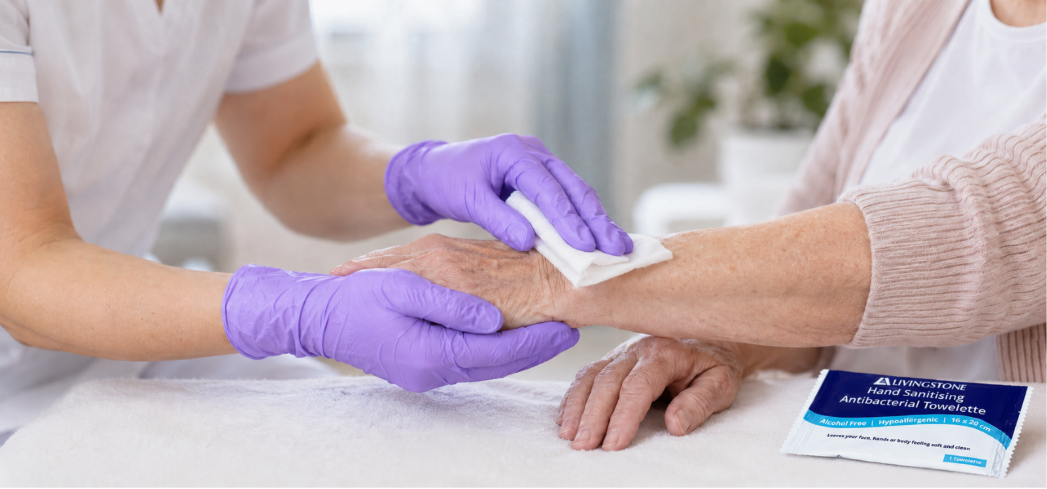
A small cotton ball can be useful when you need to handle a simple care task without reaching for a larger dressing or swab. In healthcare and personal care settings, the focus is often on having the right product available at the right time.
That is where sterile cotton balls can be useful. They can support selected cleaning and care tasks while taking up very little storage space. For clinics, aged care facilities, first-aid areas and other workplaces, having a reliable supply of everyday consumables can also make routine work easier.
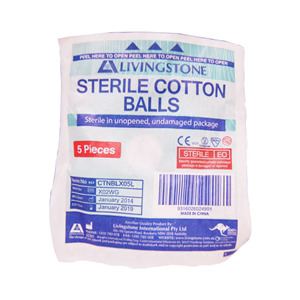
Livingstone International supplies healthcare and personal care products for professional settings, including Livingstone Cotton Balls. The product is supplied as sterile white cotton balls, with five pieces per pack and 500 packs per carton.
Where Do Sterile Cotton Balls Fit Into Healthcare?
Cotton balls are not a replacement for every wound-care product. Their value comes from the smaller tasks where a soft, compact cotton product is suitable.
Depending on the care procedure and workplace guidelines, they may be used for:
- Cleaning around selected areas of the skin
- Supporting basic first-aid procedures
- Applying or removing suitable topical products
- Cleaning delicate areas
- General patient or personal care
- Keeping ready for minor care tasks in treatment areas
The important point is to match the cotton product with the task. A cotton ball may be suitable for one part of a care routine but not for another.
For example, a wound that requires a specific dressing should not be managed with a cotton ball simply because one is available. Your wound-care procedure should determine which product is used.
Why Sterility Can Matter
The main reason to choose a sterile cotton ball is the need for a sterile product during a particular task.
This can matter when you are working in an environment where reducing the risk of contamination is part of routine care. Instead of taking cotton from a larger open supply, individually packed sterile cotton can provide a ready-to-use option.
Packaging also plays a role. Once sterile packaging has been opened, you should not assume that the contents remain sterile indefinitely. This is why sterile products should generally remain sealed until they are needed.
The Australian Government’s infection prevention and control resources provide guidance for healthcare and community settings on practices used to reduce infection risks.
Sterile Cotton Balls for Wound Care: What Should You Know?
The phrase sterile cotton balls for wound care can be misleading if it suggests that they are suitable for every wound.
They are better viewed as a supporting product for appropriate care tasks rather than a complete wound-care solution.
The type of wound matters. So does the procedure being followed. A minor care task may require a different product from a deep, infected or ongoing wound.
Another point is loose fibres. For some wound applications, a purpose-designed sterile swab or dressing may be more appropriate than cotton balls. Healthcare workers should therefore use the product specified by their clinical procedure.
For long-term or complex wounds, professional wound assessment is particularly important. The Australian Government’s chronic wound resources highlight the need for appropriate assessment and management of wounds that do not heal normally.
Personal Care Uses Are Not Limited to Shaving or Cleaning
Sterile cotton balls can also be useful outside direct clinical treatment.
In personal care environments, you may need a soft product for small areas where using a larger pad would be unnecessary. Their compact shape allows you to use one piece for a specific task instead of opening a larger product.
They may be useful for:
Baby care:
The Livingstone product information lists baby care and cleaning delicate areas among its uses. This makes the small format practical when only a limited amount of cotton is required.
First-aid cupboards:
Keeping individually packed cotton balls available can help when a small amount of sterile cotton is needed.
Aged care:
Care facilities handle many different personal-care requirements. Small, individually packed supplies can be easier to distribute and manage than a large open container.
Beauty and personal care:
Suitable cotton products can be used for selected cleaning and application tasks where their intended use allows it.
Always check the product instructions before using a sterile cotton product for a particular purpose.
Why Individual Packaging Is Useful
Packaging is an easy detail to overlook when buying healthcare supplies.
For sterile products, however, it can affect how you store and use your stock. Individually packed products can remain sealed until required. This reduces unnecessary exposure of unused pieces to the surrounding environment.
It can also make stock easier to organise.
Instead of opening a larger pack and leaving unused cotton exposed, staff can take the number of packs needed for a particular task and leave the rest sealed.
This can be particularly useful in busy environments where several staff members use the same supply cupboard.
How Can Clinics Manage Cotton Ball Supplies Better?
Running out of a low-cost item can still cause problems when it is needed during a busy day.
For that reason, healthcare businesses should treat cotton balls like other routine consumables. Keep enough stock for normal use, but avoid ordering quantities that cannot be stored correctly.
A simple stock system can help.
Check the number of unopened packs regularly. Keep the stock in a clean and dry area. Store it away from products that could damage or contaminate the packaging.
It is also worth checking packaging during stock checks. A damaged outer pack should not simply be put back on the shelf and forgotten.
What Should You Look For When Buying Medical Cotton Balls?
Price is only one part of the decision. If you are purchasing for a clinic, care facility or other professional environment, look at the product details first.
Sterile or Non-Sterile
Start with the intended use. If the procedure requires a sterile product, make sure the cotton balls are specifically supplied as sterile.
Pack Format
Think about how staff will actually use the product. Smaller packs can be useful when individual sealed portions are preferred.
Cotton Weight
Weight can help you compare products more accurately. The Livingstone Cotton Balls listed on the product page are 0.6 grams each.
Carton Quantity
For regular business use, carton quantity matters. The Livingstone product is supplied as five pieces per pack, with 500 packs per carton.
Intended Application
Do not buy a product simply because it is labelled as medical cotton. Check whether its listed uses match the tasks you expect staff to perform.
Common Mistakes When Using Sterile Cotton Balls
A few simple mistakes can reduce the value of a sterile product.
Opening packs too early:
Keep sterile cotton sealed until it is needed.
Using one piece for multiple tasks:
Use a fresh piece when the procedure requires it rather than reusing a cotton ball.
Treating sterile cotton as a universal wound product:
Different wounds and procedures require different products.
Ignoring damaged packaging:
Do not rely on a sterile claim if the packaging has been compromised.
Ordering without checking pack size:
A product may look suitable until you realise the pack format does not match your actual usage.
These points are simple, but they can make everyday supply management more consistent.
Why Choose Livingstone Cotton Balls?
The Livingstone Cotton Balls product is designed as a ready-to-use sterile cotton option. It contains white cotton balls weighing 0.6 grams each and comes in five-piece packs, with 500 packs supplied per carton.
This pack format can suit organisations that need regular access to small quantities while still wanting to purchase in larger carton volumes.
For healthcare and care businesses, that can make stock planning more straightforward. You can keep sealed packs available and use them as required rather than opening a large quantity at once.
Conclusion
Sterile cotton balls have a fairly specific role. They are most useful when you need a small, ready-to-use cotton product for an appropriate cleaning, personal-care or supporting care task.
The key is not to treat them as a solution for every healthcare situation. Check the intended use, follow your workplace procedures and choose the right product for the task.
Livingstone International provides a broad range of healthcare, medical and personal-care supplies for professional environments. Its Livingstone Cotton Balls offer a convenient sterile option for organisations that need to keep these everyday supplies available. Contact us!
FAQs
1. What are sterile cotton balls mainly used for?
They can support selected cleaning, first-aid, personal-care and healthcare tasks where sterile cotton is appropriate. Their use should always match the relevant procedure and product instructions.
2. Are sterile cotton balls suitable for every wound?
No. Different wounds require different products. Sterile cotton balls may support certain care tasks, but they should not replace wound dressings or products specified by healthcare procedures.
3. Why are individually packed cotton balls useful?
Individual packaging keeps each portion sealed until needed. This can make handling easier and help prevent unused cotton from unnecessary exposure before use.
4. How many Livingstone Cotton Balls come in each pack?
The Livingstone product contains five sterile white cotton balls per pack. The product is supplied in larger carton quantities for regular professional use.
5. How much does each Livingstone Cotton Ball weigh?
The Livingstone product is listed as 0.6 grams per cotton ball. Checking the weight can help you compare the product with other cotton options before ordering.
6. Can cotton balls be stored after opening?
Unused sterile cotton should remain in its original packaging until required. Follow the manufacturer’s storage instructions and do not use products with damaged or compromised packaging.