A workplace can become unsafe in seconds when people do not know about a hazard. A wet floor, restricted area, emergency exit or dangerous piece of equipment needs to be clearly identified. The right safety sign can give workers and visitors an important warning before an incident occurs.
For businesses, choosing safety signs is not simply about putting up notices around the workplace. Signs should match the risks present, be easy to understand and remain visible where people need them. Alongside suitable first aid equipment, clear signage forms an important part of a workplace safety plan.
At Livingstone International, we understand that businesses need reliable safety and first aid products to support day-to-day workplace requirements. However, before purchasing signs or workplace first aid kit requirements Australia products, it is important to understand what your workplace actually needs.
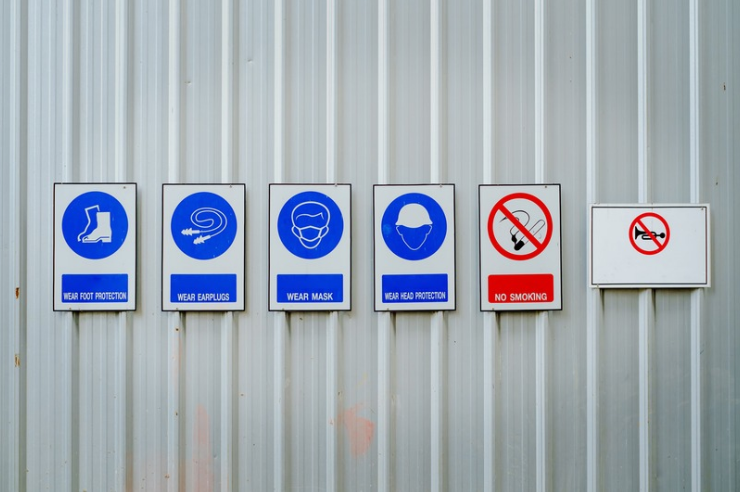
Why Are Workplace Safety Signs Important?
Safety signs provide clear information without requiring a worker to stop and ask what a particular hazard means. This is especially useful in busy workplaces where employees, contractors and visitors may need to make quick decisions.
A well-placed sign can:
- Warn people about potential hazards.
- Identify areas that are restricted.
- Show emergency exits and equipment.
- Provide instructions for safe behaviour.
- Identify first aid facilities.
- Support workplace emergency procedures.
The type of workplace you operate will affect the signs you need. An office, warehouse, construction site and healthcare facility will not have the same risks. Therefore, your signage should be based on your workplace risk assessment.
What Are the Main Types of Safety Signs?
There is no single list of signs that every Australian workplace must display. Instead, you need to identify the hazards and situations that require clear warnings or instructions.
Common types include:
Warning Signs
Warning signs alert people to a potential danger. They may be appropriate around areas with moving machinery, slippery surfaces, electrical hazards or other workplace risks.
Prohibition Signs
These signs show that a particular action is not allowed. Examples include signs stating that smoking, entry or certain activities are prohibited.
Mandatory Signs
Mandatory signs tell people that they must take a specific action. For example, a sign may require workers to wear eye protection, hearing protection or other PPE in a particular area.
Emergency Signs
Emergency signs help people locate important facilities or follow emergency procedures. Exit signs and emergency equipment signs are common examples.
First Aid Signs
First aid signs help workers quickly locate first aid equipment and facilities. This is particularly important when someone has suffered an injury and immediate access to supplies is needed.
Safe Work Australia recommends that workplaces provide accessible first aid equipment and facilities based on their workplace risks. Its guidance also notes that first aid kits should be clearly identifiable and easy for workers to access.
How Do You Decide Which Signs Your Workplace Needs?
Start by looking at the actual risks in your workplace. What could cause an injury? Which areas could be confusing to a new worker or visitor? Are there locations where people need clear instructions before entering or using equipment?
Your risk assessment should consider the type of work, workplace layout, hazards and the people who use the site.
For example, a warehouse may need signs for forklifts, pedestrian areas, hazardous substances and restricted zones. A medical facility may need clear signs for first aid facilities, emergency exits, infection control areas and restricted rooms.
The goal is simple: people should be able to see and understand the information when they need it.
What Are the Workplace Safety Signs Requirements in Australia?
The workplace safety signs requirements can depend on the type of hazard and the state or territory where your business operates. Australian WHS laws are implemented and enforced by individual jurisdictions, so businesses should check the requirements that apply to their location.
Australian workplaces can also refer to relevant Australian Standards when selecting and designing safety signs. AS 1319 provides guidance on safety signs for occupational environments.
Signs should be clear, easy to recognise and suitable for the environment. Consider where the sign will be placed, whether workers can see it from an appropriate distance and whether lighting or other conditions could affect visibility.
For official guidance on workplace safety and first aid, you can refer to Safe Work Australia’s first aid guidance.
Where Should Safety Signs Be Placed?
A safety sign is only useful if people can see it.
Place signs close enough to the hazard or facility they relate to. Avoid positioning signs behind equipment, doors or stored materials. You should also check that signs are not blocked as the workplace changes.
Think about the people who use the area. A sign positioned at eye level may work well in one location, while a larger or higher sign may be needed in a warehouse or industrial environment.
You should also check signs regularly. Damage, dust, fading or changes to the workplace can make an otherwise useful sign less effective.
How Do Safety Signs Work With First Aid Requirements?
Safety signs should form part of a wider workplace safety system. They do not replace suitable first aid equipment, trained first aiders or emergency procedures.
Under Safe Work Australia guidance, workplaces must provide access to at least one first aid kit, first aid facilities and trained first aiders. The level of first aid provision should be based on factors such as workplace hazards, size, location and the number of people present.
This is where a first aid kit can help. Your checklist should reflect the risks identified in your workplace rather than relying on a standard kit alone. For example, workplaces with a higher risk of burns may need suitable burn treatment supplies.
First aid kits should also be checked and maintained. Items that have been used, damaged or expired should be replaced. Safe Work Australia recommends regular checks to ensure kits remain complete and suitable for use.
What Should You Check Before Buying Safety Signs?
Before ordering workplace safety signs, consider these points:
- What hazards are present?
- Who needs to see the signs?
- Where should each sign be positioned?
- Is the message clear and easy to understand?
- Is the sign suitable for indoor or outdoor use?
- Will lighting affect visibility?
- Does the sign need to meet a relevant Australian Standard?
- Does your workplace need additional emergency or first aid signs?
- Are existing signs still accurate?
It is also worth reviewing your signage after workplace changes. New machinery, chemicals, work areas or changes to building layout may create new risks.
How Can You Keep Your Workplace Safety Signs Effective?
Safety signage should not be treated as a one-time purchase. Make it part of your regular workplace safety checks.
Walk through the site and look at the workplace from the perspective of a new employee or visitor. Can they quickly identify emergency exits? Can they find the first aid kit? Are hazards clearly marked? Are any signs damaged or hidden?
Your staff should also understand what important signs mean. During workplace induction, workers should be shown emergency procedures and the location of first aid equipment. Safe Work Australia recommends including the location of the first aid kit as part of workplace induction and safety training.
Conclusion
Knowing which safety signs you need starts with understanding your workplace risks. The right signs can help workers identify hazards, follow instructions and locate important emergency facilities.
Your signage should work alongside suitable first aid equipment, trained first aiders and clear emergency procedures. For businesses looking to maintain workplace safety supplies, Livingstone International offers a broad range of first aid and workplace products designed to support professional environments. Choosing suitable products and keeping them accessible can help your organisation maintain a safer and better-prepared workplace.
FAQs
1. What are workplace safety signs?
Workplace safety signs provide warnings, instructions or information about hazards, restricted areas, emergency facilities and required safety actions. They help workers and visitors understand risks quickly.
2. Are workplace safety signs mandatory in Australia?
Some safety signs may be required for specific hazards, equipment or workplace situations. Requirements can vary by state or territory, so businesses should check applicable WHS laws.
3. What should be included in a workplace first aid kit?
A workplace first aid kit should contain basic supplies suitable for the risks identified in your workplace. Its contents should be checked regularly and replaced when used or expired.
4. Where should first aid signs be placed?
First aid signs should be clearly visible and help workers quickly locate first aid equipment or facilities. They should not be blocked by furniture, equipment or stored materials.
5. How often should workplace safety signs be checked?
Safety signs should be reviewed during regular workplace safety inspections and whenever conditions change. Replace signs that are damaged, faded, unclear or no longer relevant.
6. Why is a first aid kit checklist useful?
A first aid kit checklist helps you confirm that essential supplies are available, usable and within their expiry dates. It can also support regular workplace stock checks.