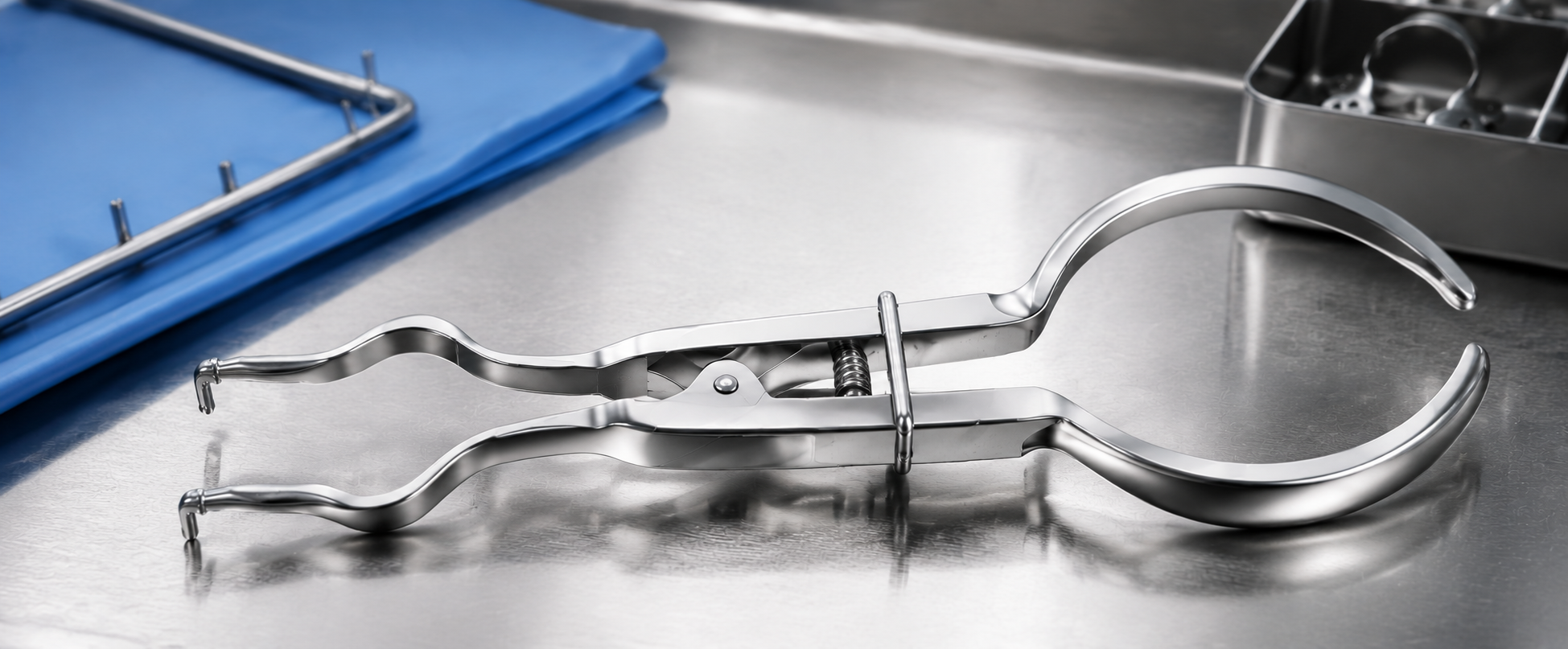
Good rubber dam isolation often depends on a component that receives far less attention than the sheet itself: the clamp. A clamp that does not suit the tooth can shift, interfere with access or make placement more difficult, while an appropriate design helps establish a stable anchor for the dam.
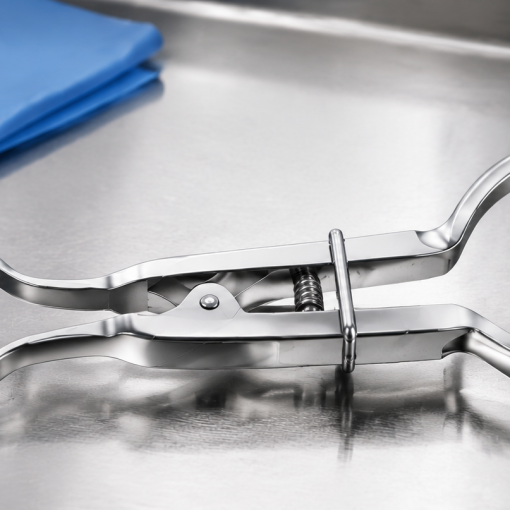
Livingstone Ivory Rubber Dam Clamp is designed for molar applications, with the Size 13A specification helping practices identify the intended clamp pattern for rubber dam isolation.
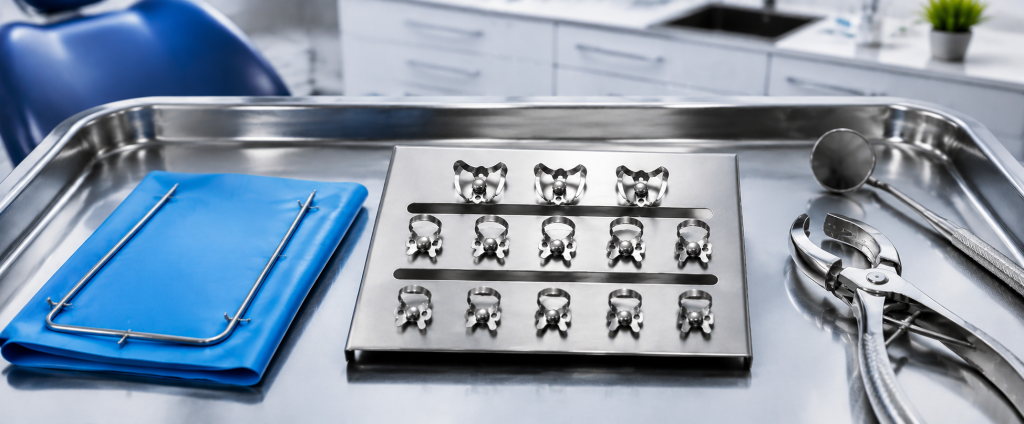
The role of an Ivory rubber dam clamp is not simply to hold material in place. Clamp selection needs to account for tooth anatomy, the planned procedure, access and the way the rubber dam will be positioned around the working field. Understanding those factors helps clinicians choose the clamp deliberately rather than relying on one pattern for every tooth. Practices comparing clamps and related isolation supplies can also review Livingstone’s Rubber Dams & Accessories Collection.
How Does an Ivory Rubber Dam Clamp Anchor the Isolation Field?
An Ivory rubber dam clamp anchors the rubber dam around a selected tooth so the sheet can remain positioned during treatment. Correct clamp selection helps create a stable isolation point while preserving access to the clinical crown and surrounding treatment area for restorative or endodontic procedures.
The clamp works as one part of a wider rubber dam system that may also include the dam sheet, frame, punch, forceps and floss or other securing methods. Its job is mechanical retention. Once seated appropriately, the clamp helps resist movement that could otherwise disturb the dam during instrumentation or irrigation.
Stability matters because the isolated tooth still needs to remain accessible from the direction required by the procedure. The clamp should therefore secure the dam without unnecessarily blocking the operative field. A well-matched design can make the overall setup feel more predictable from placement through removal. This is especially useful when isolation must remain in place through several clinical steps.
How Does Tooth Anatomy Determine the Right Rubber Dam Clamp Size?
Clamp size matters because premolars, bicuspids and molars differ in crown form, cervical contour and available undercut. A clamp designed for one tooth group may not engage another tooth securely, so the selected pattern should correspond with the tooth being isolated and its individual anatomy.
Livingstone lists the featured clamp as a Size 13A molar model. This helps distinguish it from patterns intended for bicuspids, premolars or other tooth forms. An endodontic molar clamp should be selected with molar crown contours and the clinical situation in mind, rather than treated as interchangeable with a smaller clamp simply because both are used with rubber dams.
Numbering provides a useful starting point, but the number alone should not replace clinical assessment. Eruption, restoration contours, crown height, tooth position and access can all affect fit. Practices benefit from maintaining more than one clamp pattern so the available choice reflects the range of teeth encountered in routine treatment. The same principle applies when anterior, partially erupted or heavily restored teeth require different retention strategies.
How Do You Match a Rubber Dam Clamp to the Tooth Before Placement?
A rubber dam clamp should be selected by matching its intended tooth type and shape to the clinical situation, then checking stability before the procedure proceeds. Placement should provide secure engagement without unnecessary rocking, soft-tissue impingement or obstruction of the area that needs to remain accessible.
Selection begins before the dam is stretched into position. The tooth should be assessed for the areas where the clamp jaws can engage and for anything that may alter the expected contour, including large restorations or reduced crown structure. The chosen clamp can then be tried carefully and reassessed if stability is uncertain.
Clamp forceps are typically used to open and guide the clamp during placement and removal. Control is important because spring tension can create sudden movement if the clamp is not handled securely. Once seated, clinicians should confirm that the assembly is stable and that the dam can be positioned without distorting access. That final check should occur before irreversible treatment steps begin.
Which Checks Confirm a Rubber Dam Clamp Is Ready for Clinical Use?
Before use, the clamp should be checked for condition, cleanliness, correct pattern and suitability for the tooth. During treatment, its position should be monitored so any movement, loss of engagement, tissue pressure or interference with instruments can be identified and addressed rather than ignored.
A quick pre-use inspection can reveal visible distortion, surface damage or other changes that may affect performance. The intended tooth and procedure should also be reviewed. If a clamp does not seat predictably during trial placement, changing to another pattern is more appropriate than forcing an unsuitable fit.
Clinical monitoring continues after the dam has been assembled. Isolation can change as instruments are introduced or the patient moves, so the clamp should remain part of the visual check throughout treatment. A safety ligature may also be used when appropriate to the technique and practice protocol to assist retrieval if displacement occurs. If stability changes, treatment should stop long enough to reassess the clamp rather than simply working around the problem.
What Reprocessing Steps Apply to Reusable Rubber Dam Clamps?
When a rubber dam clamp is designated for reuse, it should be reprocessed between patients according to the manufacturer’s instructions, the dental practice’s validated procedures and applicable Australian infection prevention requirements. Cleaning, inspection, sterilisation where required, storage and traceable processes should be managed consistently.
The Australian Dental Association’s current infection prevention guidance aligns dental practice with national reprocessing requirements, including AS 5369:2023. The Australian Guidelines for the Prevention and Control of Infection in Healthcare also emphasise risk-based infection prevention and appropriate management of reusable equipment and instruments across healthcare settings.
Reprocessing is not only a steriliser step. Soil must be removed effectively, the instrument should be inspected after cleaning, and damaged items should be managed according to practice procedures. Storage after reprocessing also matters because a correctly processed clamp still needs to remain protected until it is selected for another patient. Practices should document and validate reprocessing workflows in line with their governance requirements.
Which Product Details Matter When Ordering Rubber Dam Clamps Online?
Dental practices should consider clamp pattern, intended tooth type, compatibility with their isolation technique, reprocessing requirements and the range of sizes already held. Buying decisions are stronger when they fill a genuine clinical need rather than adding another clamp that duplicates an existing pattern without improving coverage.
For teams planning to buy rubber dam clamps online, product descriptions should be checked for the exact size and intended tooth type. The featured Livingstone clamp is Size 13A and intended for molars, so confirming that specification is more reliable than choosing from product appearance alone when ordering or replenishing stock.
Stock planning should also consider the complete rubber dam setup. A clamp is most useful when suitable forceps, dam material, frames and punches are available and maintained together. Reviewing the broader Rubber Dams & Accessories collection can help practices identify gaps while keeping each purchasing decision tied to a practical isolation requirement. This also reduces the chance of ordering a visually similar but clinically different size.
What Creates a Predictable Rubber Dam Isolation Setup?
A reliable rubber dam setup comes from matching the clamp to the tooth, checking stability, using controlled placement technique and maintaining appropriate reprocessing processes. No single clamp suits every case, so predictable isolation depends on having the right patterns available and selecting them according to the clinical situation.
The Livingstone Endodontic Ivory Rubber Dam Clamp is a Size 13A molar option that fits naturally into this approach. Its value is best understood as part of a complete isolation system, with selection based on tooth anatomy and procedure requirements rather than on the clamp as a stand-alone item. Keeping the intended use clear also makes stock selection easier when several clamp patterns are stored together.
A practical takeaway is to treat clamp selection as a clinical decision and a stock-planning decision at the same time. Keep the clamp range purposeful, inspect instruments before use, follow validated reprocessing requirements and review the broader rubber dam collection when additional sizes or accessories are needed for routine dental workflows. Consistent selection and instrument care help make isolation preparation more orderly and repeatable from one case to the next.
References
Australian Dental Association 2026, Guidelines for Infection Prevention and Control, Fifth Edition – Amended, viewed 26 August 2026.
Australian Commission on Safety and Quality in Health Care 2026, Australian Guidelines for the Prevention and Control of Infection in Healthcare, viewed 26 August 2026.
Australian Commission on Safety and Quality in Health Care 2024, Options for implementation of preventing and controlling infections in primary care: dental practice, viewed 26 August 2026.