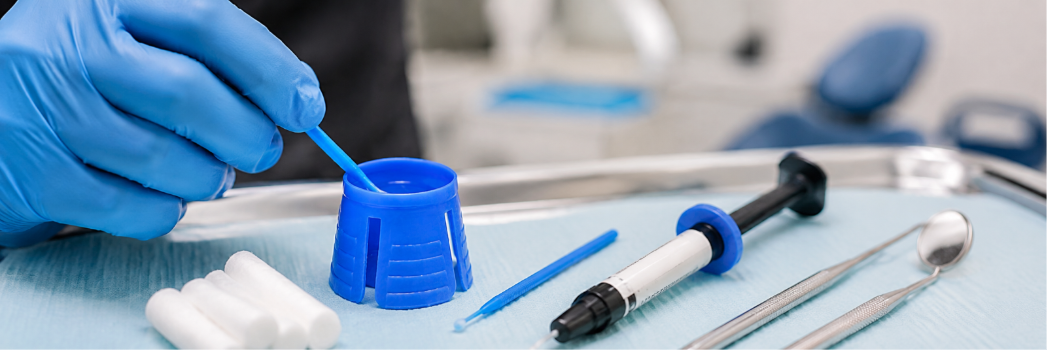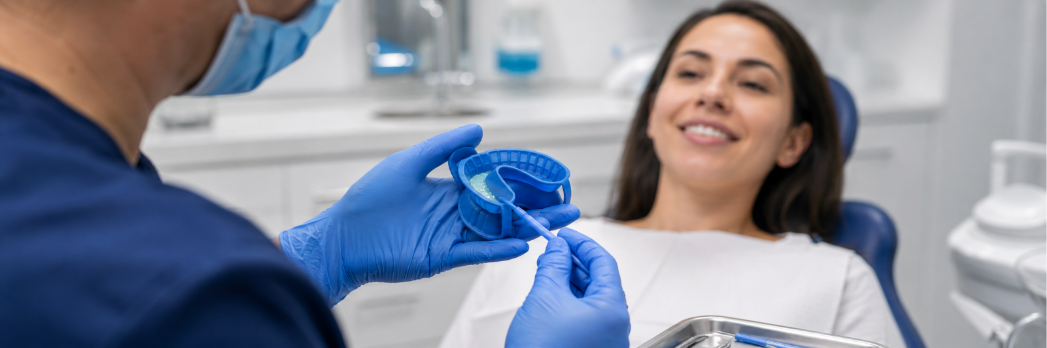
Saliva performs important protective functions in everyday oral health, but during dental treatment it can accumulate around the treatment site and interfere with visibility. Water, saliva and other fluids may also collect in the floor of the mouth as procedures progress. Effective saliva management helps clinicians maintain a more accessible working area while supporting patient comfort and an organised chairside workflow.
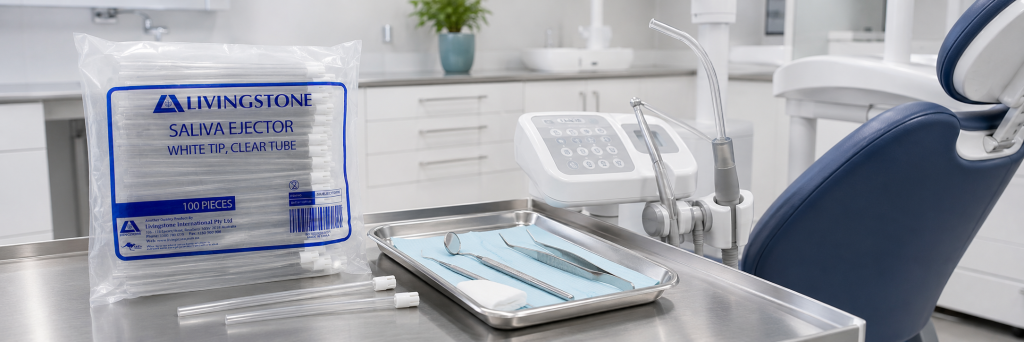
For dental practices reviewing routine fluid-management consumables, the Livingstone Saliva Ejector provides a disposable option for gently removing accumulated saliva during suitable dental procedures. Practices can also explore the wider Livingstone disposable saliva ejectors collection when comparing suction products for different chairside requirements and clinical workflows.
Saliva ejectors and high-volume evacuation systems perform different but complementary roles in dental fluid management. Understanding how low-volume suction works, when it is useful and how appropriate positioning supports treatment can help dental teams maintain an efficient and comfortable clinical environment.
Why Does Saliva Management Matter During Dental Procedures?
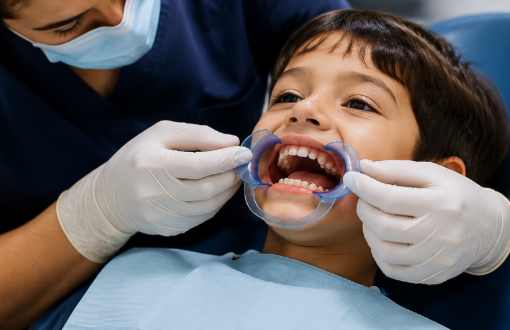
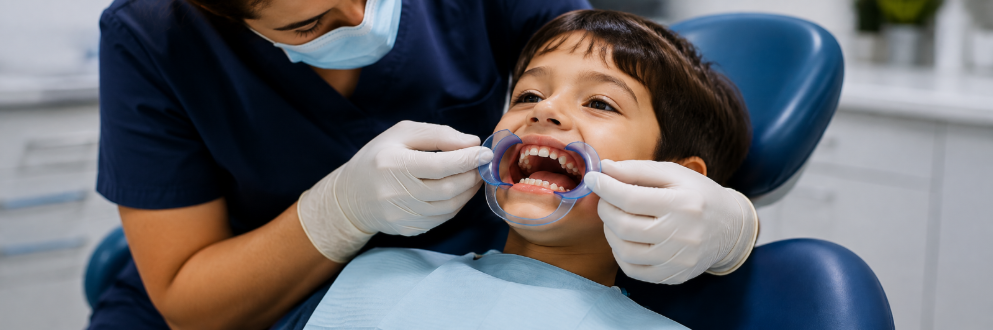
Saliva is essential in everyday oral health, but during treatment it can pool around the tongue, floor of the mouth or treatment site and make it harder for the clinician to maintain a clear view.
Continuous saliva control can reduce repeated pauses for swallowing or manual fluid removal, particularly when the patient remains reclined or the treatment area needs to stay visible.
What Is a Saliva Ejector Used for During Dental Procedures?
A saliva ejector is a narrow suction device designed for relatively gentle, continuous fluid removal. It is typically connected to a low-volume evacuation line and positioned where saliva naturally accumulates rather than being held directly beside a high-output spray source.
The Livingstone saliva ejector referenced in this article is supplied as a clear tube with a white tip in a pack of 100. This clear tube white tip suction configuration gives practices a disposable option for routine chairside use when low-volume saliva management is appropriate.
How Is a Saliva Ejector Different from High-Volume Dental Suction?
Saliva ejectors and high-volume evacuators both remove fluid but serve different demands. A saliva ejector generally manages pooled saliva and lighter volumes, while high-volume evacuation removes larger amounts of water, spray and debris more rapidly.
The two may be used at different stages of an appointment, depending on the procedure. A dental team might rely on gentle low-volume suction for routine saliva control and switch to or add high-volume evacuation when instruments generate substantial water or debris.
How Does Saliva Management Improve Dental Treatment Visibility?
Even modest fluid accumulation can obscure tooth surfaces. Ongoing saliva removal helps maintain visual access and reduce repeated interruptions.
This is relevant during examinations, preventive procedures, restorative work and many other routine appointments. Good fluid management does not replace formal isolation where a dry field is required, but it provides a practical baseline of chairside control for many procedures.
Can Saliva Control Improve Patient Comfort During Dental Procedures?
For some patients, pooled saliva or water can feel uncomfortable. Gentle continuous suction reduces this accumulation and can limit unnecessary interruptions.
Positioning should still be adjusted thoughtfully. The suction tip should not press unnecessarily against soft tissue or remain in a location that becomes uncomfortable. The dental assistant should monitor the patient and reposition the device as the procedure progresses.
Does Dental Suction Support Infection Prevention in Dental Clinics?
Saliva management operates within a broader infection prevention framework. The Australian Dental Association states that dental teams should use practical measures and routine work practices to minimise disease transmission and reduce infectious agents in the clinical environment.
Safe Work Australia also recommends applying appropriate controls to biological hazards according to the hierarchy of control. Suction can support local fluid management, but it does not replace personal protective equipment, hand hygiene, instrument reprocessing, environmental cleaning or other established infection prevention measures.
What Should Dental Practices Consider When Ordering Saliva Ejectors?
Before purchasing, dental practices should consider compatibility with their dental-unit suction systems, tip configuration, patient comfort, disposal requirements, packaging quantity and expected appointment volumes. Storage space and stock rotation may also influence how much product is practical to keep on hand.
Practices planning to bulk buy saliva ejectors online should base quantities on actual clinical demand rather than purchasing the largest available pack by default. Reliable availability is important, but excess stock can create unnecessary storage pressure if usage is lower than expected.
How Does Saliva Management Support Dental Team Workflow?
Successful fluid control supports the dentist, dental assistant and patient at the same time. The dentist benefits from clearer access to the working area, the assistant can manage fluid proactively and the patient experiences less pooling in the mouth.
Consistent placement and chairside routines can also help the team work more efficiently. When suction positioning becomes part of an organised workflow, fewer interruptions are needed to deal with fluid after it has already accumulated.
Saliva is vital to normal oral function, but during clinical treatment it often needs to be managed to maintain visibility and comfort. A correctly used saliva ejector provides continuous low-volume fluid removal and can support efficient teamwork across many routine dental procedures.
For clinics, selecting compatible disposable ejectors and maintaining sensible stock levels are simple but important parts of day-to-day chairside preparation. The right product should fit the equipment, treatment needs and workflow of the practice.
References
- Australian Dental Association (n.d.) Policy Statement 6.1: Infection Prevention and Control, Australian Dental Association, viewed 18 August 2026. Link:
- Safe Work Australia (n.d.) Biological Hazards: Control Measures, Safe Work Australia, viewed 18 August 2026. Link: