An active lifestyle offers significant health benefits, but participation in contact, collision and high-impact sports can expose the teeth and surrounding oral tissues to injury. Accidental falls, contact with another player or impact from sporting equipment may cause chipped, fractured or displaced teeth. Using appropriate dental protection is therefore an important consideration for adults participating in activities where facial impact may occur.
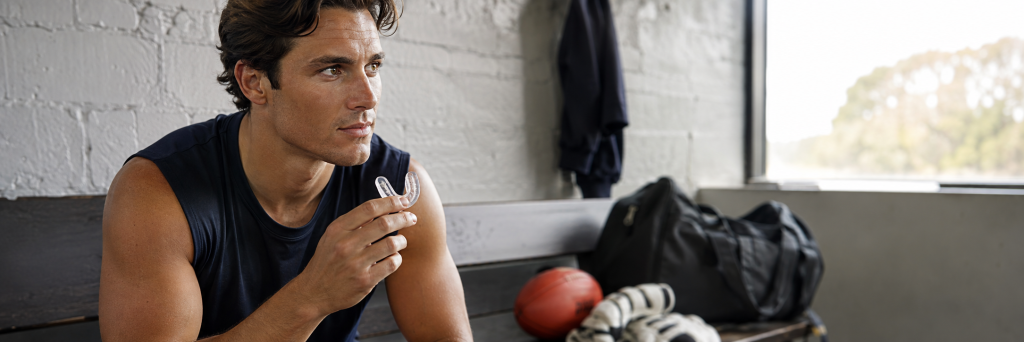
For adults reviewing protective options for sport and training, the Livingstone Sport Mouthguard, Adult, Clear, with Case provides a convenient option for supporting dental protection during suitable activities. Individuals, sporting organisations and dental practices can also explore the broader Livingstone mouthguards and splints collection when comparing mouth protection products for different users and applications.
Mouthguard use should form part of a broader approach to oral health that includes regular dental examinations, effective daily hygiene and appropriate sporting safety practices. Understanding when mouthguards are recommended, how different options vary and why fit matters can help active adults make more informed decisions about protecting their teeth.
Why Should Adults Wear a Sport Mouthguard During Sport?
A sport mouthguard is designed to help protect the teeth and jaws when an impact occurs. The Australian Dental Association explains that mouthguards can reduce the risk of serious sporting injuries, including fractured, cracked or knocked-out teeth, as well as injuries to the lips and tongue. Oral trauma can be complex to repair and may require ongoing dental care.
Risk is not limited to professional athletes. Recreational sport and club training can also involve unexpected contact, falls or fast-moving equipment, so adults should consider the likelihood of facial impact in their chosen activity.
Which Sports Require Dental Protection with a Sport Mouthguard?
Contact and collision sports such as rugby, AFL, hockey, boxing and martial arts present clear opportunities for facial impact. Other activities, including basketball, cricket and skateboarding, can also involve collisions or falls.
The Australian Dental Association recommends using protective equipment such as mouthguards during training as well as competition when there is a risk of oral injury. This matters because training sessions can involve the same tackles, falls, balls, sticks or accidental contact that occur during organised games.
What Types of Dental Mouthguards Are Available?
Mouthguards differ in fit, construction and intended use. Custom-made mouthguards are produced by dental practitioners from an impression or digital scan. The Australian Dental Association identifies these as providing the greatest level of fit, comfort and protection among common options.
Someone searching for an adult custom fit mouthguard should therefore speak with a dental practitioner about whether a professionally made appliance is appropriate. Retail mouthguards are also available in several formats. The Livingstone product linked in the introduction is an adult clear sport mouthguard supplied with a protective case. It is a retail product and should not be described as a dentist-made custom mouthguard.
How Does Sport Mouthguard Fit Affect Protection and Performance?
A mouthguard should remain securely positioned without unnecessarily interfering with breathing, speaking or concentration. Poor fit can discourage consistent use, so users should follow the supplied fitting and care instructions.
Adults undergoing orthodontic treatment, extensive restorative work or significant changes to their teeth should ask their dental practitioner whether their current mouthguard remains suitable. A mouthguard that once fitted well may need reassessment if the dentition or oral appliances have changed.
Does Wearing a Sport Mouthguard Replace Dental Check-Ups?
No. A mouthguard is intended to reduce the risk of sporting trauma, but it does not prevent tooth decay, gum disease or other oral health problems. Active adults should continue regular dental examinations and maintain daily brushing and interdental cleaning as recommended by their dental practitioner.
Dental reviews can also help check mouthguard fit, particularly after dental treatment or if the appliance becomes damaged or distorted.
How Should a Sport Mouthguard Be Cleaned and Maintained?
After use, a mouthguard should be cleaned, dried and stored safely. The Australian Dental Association advises using a protective case and avoiding excessive heat, which can alter its shape. Regular inspection can identify deterioration or changes in fit.
The Livingstone adult mouthguard is supplied with a case, which supports convenient storage between sessions. If the appliance becomes uncomfortable, loose or visibly damaged, the user should seek advice rather than continuing to rely on protection that may no longer fit as intended.
What Should Buyers Consider Before Purchasing a Sport Mouthguard?
Consumers and organisations looking to buy mouthguards online should consider intended use, adult or junior sizing, fit method, care requirements, storage and whether professional assessment is needed. Sporting clubs and training facilities may also benefit from clear education about when mouthguard use is expected and how players should care for their equipment.
For higher-risk athletes or people with complex dental needs, discussion with a dental practitioner remains important. A product should suit the person, the sport and the level of risk rather than being selected only on convenience.
Dental trauma can happen in seconds, while the consequences can continue for years. Wearing an appropriate sport mouthguard is a practical protective measure for adults participating in activities where facial impact is reasonably foreseeable.
Mouth protection works best as part of a complete approach that also includes sensible sporting safety practices, regular dental reviews and good daily oral hygiene. Choosing the right type, maintaining a suitable fit and wearing it consistently are all important to getting the intended benefit.
References
- Australian Dental Association (n.d.) Sports Mouthguards, Teeth.org.au, viewed 18 August 2026.
- Australian Dental Association (n.d.) Policy Statement 2.2.5: Prevention and Management of Oral Injuries, Australian Dental Association, viewed 18 August 2026.