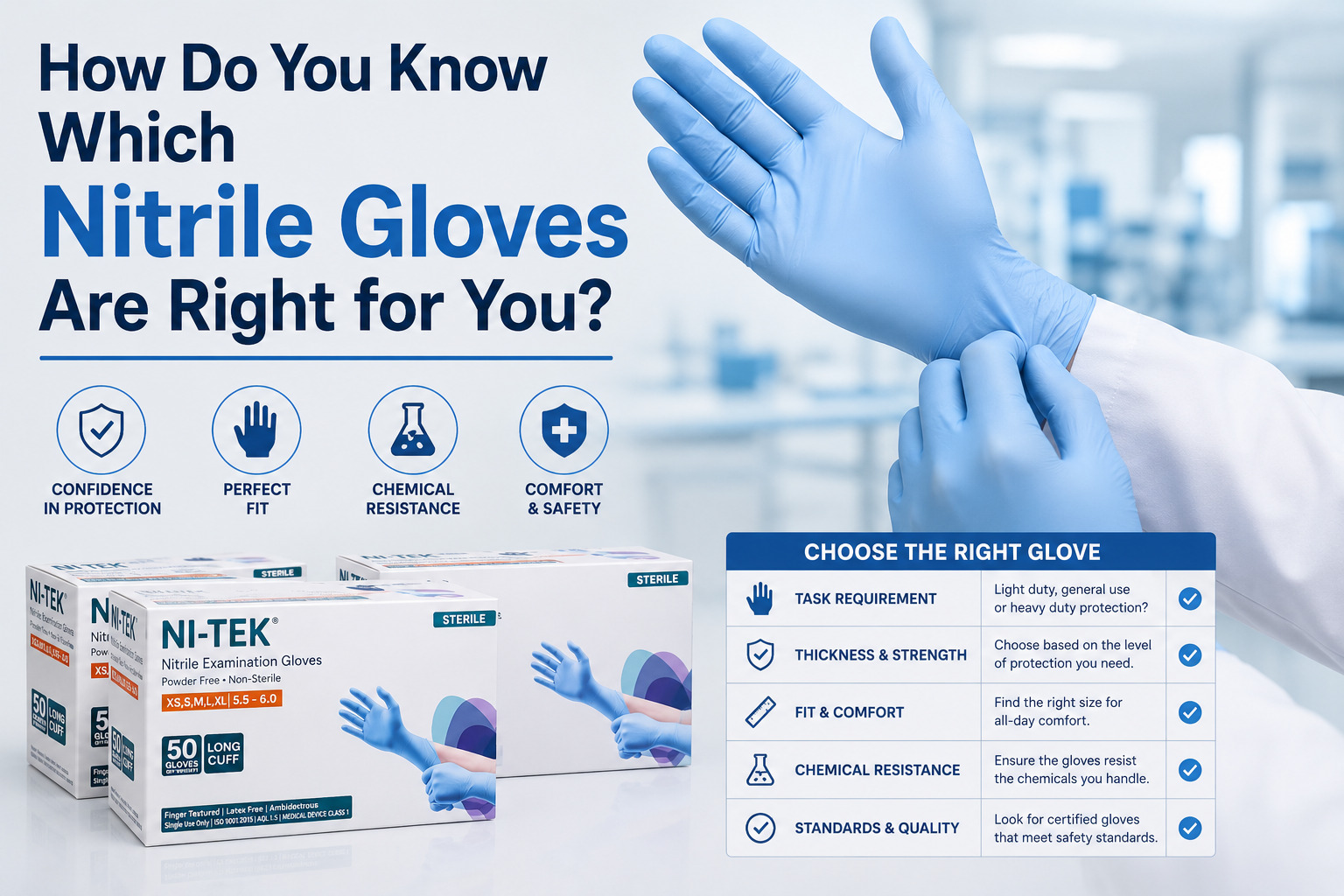
For healthcare and industrial organisations, choosing the right gloves is an important procurement decision. Hospitals, clinics, dental practices, laboratories and workplaces require disposable gloves that support hygiene, safety and day-to-day operations.
Nitrile gloves are a popular choice due to their durability, flexibility and latex-free composition. However, product specifications, quality, sizing and intended use can vary between suppliers. Procurement teams should therefore assess each option carefully, considering both performance and supply reliability.
This list features 10 nitrile glove suppliers in Australia that offer options for healthcare, clinical and industrial environments, helping professional buyers compare suppliers based on their product range and suitability for different workplace requirements.

1. Livingstone International
Livingstone International is a major Australian supplier of medical and healthcare products, with an extensive range of nitrile gloves and other hand protection products. Its glove selection includes different sizes, colours, thicknesses and specifications to support a variety of professional environments.
For healthcare procurement teams, having access to a broad product range through one supplier can simplify purchasing and stock management. Nitrile options can be used for examination, general clinical tasks and other applications where disposable hand protection is required.
The wider range also includes other types of disposable gloves, helping facilities compare nitrile with vinyl and latex options according to the task. This makes product selection more practical when procurement teams are managing requirements across multiple departments.
2. Hytex Healthcare
Hytex Healthcare supplies medical consumables and equipment to hospitals, aged care facilities, medical centres, dental clinics, pathology services and other healthcare organisations across Australia. Its product range includes examination gloves, including nitrile and latex options.
For professional buyers, Hytex is relevant because its supply model is focused on healthcare rather than general retail. The company also promotes Australia-wide delivery and supports both metropolitan and regional healthcare customers.
When reviewing nitrile gloves for a facility, procurement managers can consider factors such as glove thickness, sizing, powder-free construction and the requirements of the clinical environment.
3. 3M&T Trading
3M&T Trading is an Australian healthcare supply company established by professionals with frontline nursing experience. Its range includes NitraTech premium nitrile examination gloves designed for healthcare professionals.
The company’s healthcare background is particularly relevant to clinical buyers looking for products selected with practical healthcare requirements in mind. Its nitrile glove offering is positioned around protection, comfort and clinical performance.
For hospitals, clinics and dental practices, nitrile examination gloves can support routine patient care and procedures where disposable hand protection is required. Buyers should still confirm the exact product specification and intended application before ordering.
4. Yex Medical Supplies
Yex Medical Supplies provides wholesale medical and protective products to pharmacies, clinics, dental practices, aged care facilities and hospitals throughout Australia. Its range includes nitrile, vinyl and latex examination gloves.
This broad glove selection can be useful for procurement teams that need different materials for different operational requirements. Yex also promotes wholesale pricing, carton purchasing and dispatch from its Sydney warehouse.
For larger facilities, these factors can be important when managing recurring glove consumption. Procurement teams should assess order quantities, delivery arrangements and product availability alongside the technical specifications of each glove.
5. Mediflex Industries
Mediflex Industries offers disposable gloves for medical, laboratory and industrial applications, including powder-free nitrile, latex and vinyl gloves. Its range is designed for organisations purchasing medical supplies in bulk, with options across different applications and price points.
Its broad selection makes Mediflex relevant for facilities that need more than one glove type. Nitrile gloves may be appropriate where durability and chemical resistance are important, while vinyl or latex options may suit other tasks.
For procurement managers, the ability to compare glove materials within one range can make purchasing decisions more straightforward while helping departments select products according to their actual work requirements.
6. Ultra Health Medical
Ultra Health Medical supplies medical consumables for healthcare and industrial workplaces. Its Ultra Fresh disposable examination nitrile gloves are available in multiple sizes and are described as powder-free, latex-free, non-sterile and ambidextrous. The product information also lists features such as textured fingertips, a rolled cuff and chemical and physical resistance.
The company provides product information covering standards and certifications, including TGA listing and AS/NZS 4011 references. For professional procurement, detailed technical information can make it easier to compare gloves against internal purchasing requirements.
Facilities handling clinical materials, cleaning products or other demanding tasks should always review the manufacturer’s documentation to determine whether a particular glove is suitable for the intended use.
7. Adam Dental Supplies
Adam Dental Supplies provides nitrile examination gloves for dental professionals and other healthcare users. Its range is positioned for medical-grade PPE applications and includes gloves available in different sizes and colours.
Nitrile gloves are particularly useful in dental settings where staff require protection while maintaining hand movement and tactile control. The material also provides an alternative to natural rubber latex for users who require latex-free products.
For dental procurement teams, factors such as glove fit, resistance to punctures and tears, comfort during extended use and compatibility with clinical procedures can all influence purchasing decisions.
8. Aussie Pharma Direct
Aussie Pharma Direct offers a range of nitrile gloves suitable for clinical environments and other professional applications. Its range includes powder-free options and bulk purchasing formats for businesses such as clinics and workplaces.
The supplier also highlights nitrile’s durability, flexibility and resistance to punctures and chemicals. These characteristics can make nitrile gloves suitable for a variety of applications, although the level of protection required depends on the specific task.
For procurement teams, purchasing gloves in appropriate pack or carton quantities can help maintain stock levels while reducing the risk of running short during periods of high usage.
9. AusMed Health
AusMed Health supplies examination gloves for Australian healthcare users, with options including nitrile, vinyl and latex. The company also promotes bulk ordering and delivery for healthcare facilities, clinics and practitioners.
For organisations managing regular glove consumption, having access to different materials can support a more application-specific purchasing strategy. Nitrile can be considered where latex-free hand protection and good durability are required, while other materials may be appropriate for less demanding tasks.
Procurement managers should compare specifications rather than selecting gloves based solely on material or price.
10. MediNat Australia
MediNat Australia supplies disposable medical gloves, including iSense nitrile gloves designed for professional use. The product information states that the gloves are made from nitrile, are powder-free and latex-free, and feature textured fingertips and a beaded cuff.
The product is also described as meeting ASTM D6319 requirements for medical examination use. For healthcare procurement teams, this type of technical information is useful when assessing whether a glove aligns with the requirements of a particular clinical environment.
MediNat’s product range also covers other professional applications, making it relevant to organisations that require disposable gloves beyond conventional patient care.
What Should Healthcare Buyers Look for When Purchasing Nitrile Gloves?
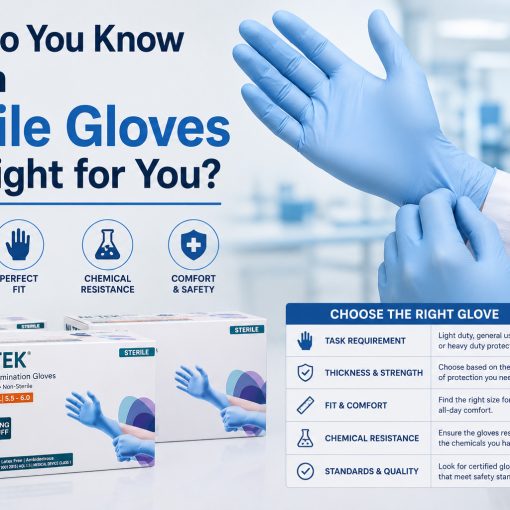
Choosing disposable gloves should start with the intended task rather than price alone. Procurement teams should review the following factors:
- Material: Nitrile is a synthetic rubber that provides a latex-free option. It is commonly selected for its durability and resistance to punctures.
- Fit and sizing: Gloves should provide an appropriate fit without restricting movement. Poorly fitting gloves can affect dexterity and comfort.
- Powder-free construction: Powder-free gloves are commonly preferred in healthcare settings because they reduce unnecessary residue and potential contamination concerns.
- Intended use: Examination gloves, industrial gloves and specialised gloves may have different performance characteristics. Buyers should check the manufacturer’s intended use.
- Compliance and documentation: Where gloves are supplied as medical devices, procurement teams should verify applicable Australian regulatory requirements and product documentation.
- Supply consistency: Hospitals, clinics and aged care facilities often use large quantities of disposable gloves. Reliable stock availability and delivery arrangements should therefore form part of the purchasing decision.
Australian Healthcare Guidance on Glove Selection
The Australian Commission on Safety and Quality in Health Care explains that standard precautions are used during all patient care and include appropriate personal protective equipment. It also recommends a local risk assessment to determine the appropriate PPE for the situation.
The Commission also states that gloves do not replace hand hygiene. Hands should be cleaned before putting on gloves and after removing them, and gloves should be changed between different patients and when required during care.
Healthcare procurement teams can refer to the Australian Commission on Safety and Quality in Health Care for current infection prevention and control resources when developing or reviewing glove purchasing policies.
Why Nitrile Gloves Remain a Practical Choice
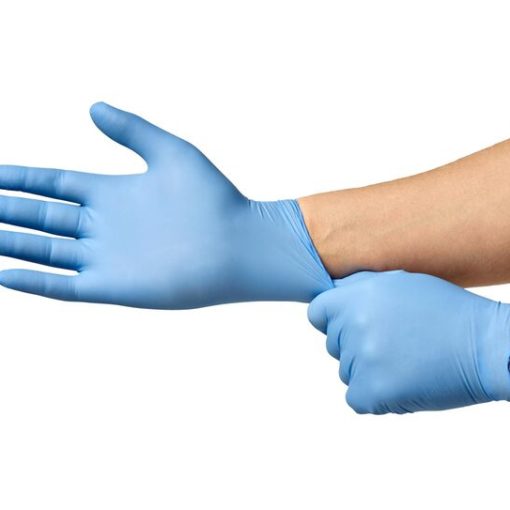
Nitrile gloves are used across healthcare, dentistry, laboratories, cleaning operations and industrial workplaces because they combine several practical characteristics. They can provide good flexibility while offering resistance to punctures and a range of substances.
They are also available in different thicknesses, colours and sizes. Blue nitrile gloves are commonly associated with clinical environments, while black nitrile gloves are also widely used in professional and industrial settings.
However, colour should not be treated as an indication of protection. Procurement decisions should be based on the glove’s specifications, certification, intended use and manufacturer documentation.
Conclusion:
Reliable hand protection is essential for healthcare and industrial teams, making the choice of nitrile gloves an important procurement consideration. Buyers should assess product specifications, intended use, fit, quality, compliance and supply continuity before making a purchasing decision.
Livingstone International offers a comprehensive selection of nitrile gloves and other protective wear to meet the needs of healthcare facilities, laboratories, clinics and professional workplaces.
With a broad product range and established supply network, we supports organisations looking for dependable solutions for their ongoing glove and medical supply requirements. Explore our products today!
FAQs
Are nitrile gloves suitable for healthcare facilities?
Yes. Nitrile examination gloves are widely used in healthcare environments. However, the selected product should be appropriate for the specific procedure and meet the relevant requirements for its intended use.
Are nitrile gloves better than latex disposable gloves?
Neither material is automatically better for every application. Nitrile provides a synthetic, latex-free alternative with good durability, while latex can offer useful elasticity and tactile performance. The choice should depend on the task, user requirements and facility policies.
What is the difference between nitrile and vinyl gloves?
Nitrile gloves are made from synthetic rubber and are generally selected for stronger protection and durability. Vinyl gloves are made from PVC and can be suitable for lower-risk, short-duration tasks where a looser fit is acceptable.
Are black nitrile gloves suitable for medical use?
Black nitrile gloves can be used in professional environments, but colour alone does not determine whether a glove is suitable for medical use. Buyers should check the product’s intended application, regulatory status and technical documentation.
What should hospitals consider when buying nitrile gloves in bulk?
Hospitals should consider glove quality, sizing, intended use, regulatory requirements, packaging, stock availability, delivery reliability and total purchasing cost. Consistent supply is particularly important where gloves are used across multiple departments.
Are blue nitrile gloves only used in healthcare?
No. Blue nitrile gloves are used across healthcare, food handling, laboratories, cleaning and other professional environments. Their suitability depends on the product specification and intended application.
Do nitrile gloves replace hand hygiene?
No. Australian healthcare guidance states that hand hygiene remains necessary when using gloves. Gloves should not be considered a substitute for proper hand hygiene practices.