Step into any hospital or clinic and you’ll find a huge mix of healthcare products at work, from simple bandages and syringes to more advanced equipment like diagnostic monitors and hospital beds. Each one plays a specific role, whether that’s helping a doctor diagnose a condition, supporting a nurse during patient care, or helping someone manage their health at home.
These products are generally grouped by function, such as diagnosis, treatment, prevention, or general patient support. Livingstone International supplies a wide range across all these categories, giving healthcare professionals and organisations a reliable single source for their equipment needs.
As medical technology keeps advancing, this range only continues to grow. This guide covers the main categories of healthcare products used today.
1. Diagnostic Equipment
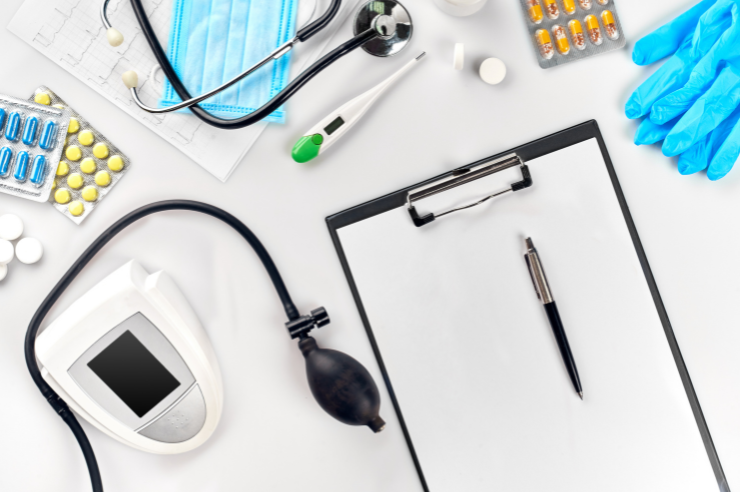
Diagnostic equipment helps doctors find out what is wrong with you. These products check your health. They measure things like your heart rate, blood pressure, and temperature.
- Blood pressure monitors are common tools. You have probably seen one at your doctor’s clinic. They measure the force of blood against your artery walls. This helps doctors check for high blood pressure.
- Thermometers measure your body temperature. A fever can mean you have an infection. Digital thermometers are now used everywhere.
- Blood glucose monitors help people with diabetes. These devices check sugar levels in your blood. Many people use them at home every day.
- ECG machines record the electrical activity of your heart. This helps doctors find heart problems. You will see these in hospitals and heart clinics.
- X-ray machines take pictures of your bones and organs. They help doctors see fractures and infections.
2. Therapeutic Devices
Therapeutic devices help treat medical conditions. They provide therapy or treatment. These products help patients get better or manage long-term conditions.
- Infusion pumps deliver fluids and medications into your bloodstream. They give precise doses of medicine. This is very important for patients in critical care.
- Ventilators help patients breathe. These machines save lives in intensive care units. They give oxygen and remove carbon dioxide.
- Dialysis machines treat patients with kidney failure. They filter waste from the blood. Many patients need these machines several times a week.
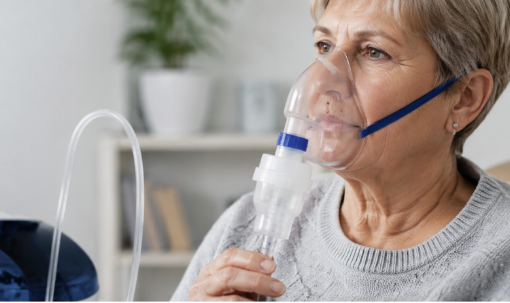
- Nebulisers turn liquid medicine into a fine mist. You breathe this mist into your lungs. They are often used for asthma and other breathing problems.
3. Wound Care Products
Wound care products treat cuts, burns, and other injuries. They help protect wounds from infection. They also help wounds heal faster.
- Adhesive bandages are the simplest wound care products. You might call them band-aids. They cover small cuts and scrapes.
- Gauze pads and tape are used for bigger wounds. They soak up blood and fluids. They also protect the wound.
- Antiseptic wipes clean wounds and the skin around them. They contain things like alcohol or iodine. They kill germs and stop infection.
- Conforming bandages are stretchy and flexible. They hold dressings in place. They work well on joints and moving parts.
- Triangular bandages are very useful. You can use them as arm slings. You can also use them to hold dressings in place.
4. Infection Control Products
Infection control products stop germs from spreading. They keep patients, staff, and visitors safe. These products are very important in healthcare.
- Alcohol wipes clean skin and surfaces. They contain 70% isopropyl alcohol. This works well against many germs.
- Medical gloves are essential healthcare supplies. They protect healthcare workers from germs. They also protect patients from contamination.
- Face masks and shields protect against airborne germs. They stop germs from spreading through the air.
- Hand sanitisers kill germs on your hands. They are very useful when soap and water are not available.
- Antiseptic solutions clean skin before procedures. They reduce the number of germs on the skin.
5. Medical Consumables
Medical consumables are products you use once and throw away. You will find them in every hospital and clinic.
- Syringes and needles give medications and vaccines. They come in different sizes like 3ml or 10ml.
- Cotton tip applicators clean and swab areas. They also apply ointments and creams.
- IV sets and catheters deliver fluids into veins. They allow medications to be given directly.
- Test tubes and sample containers collect and store biological samples. They are used in laboratories.
6. Mobility and Rehabilitation Products
Mobility products help people move around. They are used by patients who have trouble moving. These products help people live more independently.
- Wheelchairs help people who cannot walk. They come in manual and powered types.
- Walking frames and walkers give support and stability. They help people walk safely. Elderly patients often use them.
- Crutches and canes provide extra support. They help people with leg or foot injuries.
- Hospital beds can be raised and lowered. They make patient care easier for healthcare workers.
7. First Aid Products
First aid products are used in emergencies. They are the first treatment for injuries. They help keep patients stable until help arrives.
- First aid kits contain emergency supplies. They have bandages, wipes, and other items. You find them in workplaces, schools, and homes.
- Resuscitation masks are used for CPR. They create a barrier between you and the patient. This stops germs from spreading.
- Sterile saline solutions clean wounds and wash eyes. They remove dirt and debris.
- Tweezers and scissors are important tools. Tweezers remove splinters. Scissors cut bandages.
8. Home Healthcare Products
Many healthcare products are now used at home. This helps patients take care of themselves. It also reduces hospital visits.
- Blood glucose monitors help diabetics check their sugar levels at home.
- Home testing kits can detect various conditions. Pregnancy tests and COVID-19 tests are good examples.
- CPAP machines treat sleep apnoea. They help patients breathe better while sleeping.
- Incontinence products help manage bladder control issues. These include pads and protective underwear.
9. Personal Care Products
Personal care products are part of daily hygiene. They help you stay clean and healthy.
- Soaps and body washes remove dirt and germs from your skin. You use them every day.
- Shampoos clean your hair and scalp. There are different types for different hair needs.
- Toothpaste helps prevent tooth decay and gum disease. It is part of good oral hygiene.
- Lotions and moisturisers keep your skin hydrated and healthy. They are important for skin care.
Conclusion
Healthcare products are everywhere. They help doctors diagnose and treat patients. They help nurses provide care. They help you look after yourself at home. Each product has a specific purpose. Knowing about these products helps you make better healthcare choices.
When you need healthcare supplies, choosing the right supplier matters. You want reliable products that meet safety standards. You want a supplier that offers a wide range of items. Livingstone International is a trusted healthcare supplier. We offer dependable healthcare products that clinics and hospitals use every day. Whether you need basic supplies or specialised equipment, we provide quality solutions you can count on.
FAQs
1. What is the difference between sterile and non-sterile healthcare products?
Sterile products are completely germ-free and used for procedures like injections. Non-sterile products are clean but not germ-free. They are used for general tasks like cleaning surfaces.
2. How do I know if a healthcare product is safe to use at home?
Look for TGA approval on the packaging. Check the expiry date and read the instructions carefully. Ask your pharmacist or doctor if you are unsure about anything.
3. Why do some medical consumables need to be single-use only?
Single-use products stop germs from spreading between patients. Reusing them can cause infections. They may also not work as well the second time.
4. What should I consider when choosing a healthcare equipment supplier?
Look for product quality, reliable stock, and good customer support. Choose a supplier who delivers on time and has the products you need. Livingstone International meets all these requirements.
5. Are all wound care products suitable for every type of wound?
No, different wounds need different products. Small cuts need simple bandages. Larger wounds may need special dressings. Always choose the right product for the wound type.
6. How often should I replace items in my first aid kit?
Check your first aid kit every six months. Replace any expired or used items straight away. This keeps your kit ready for emergencies.