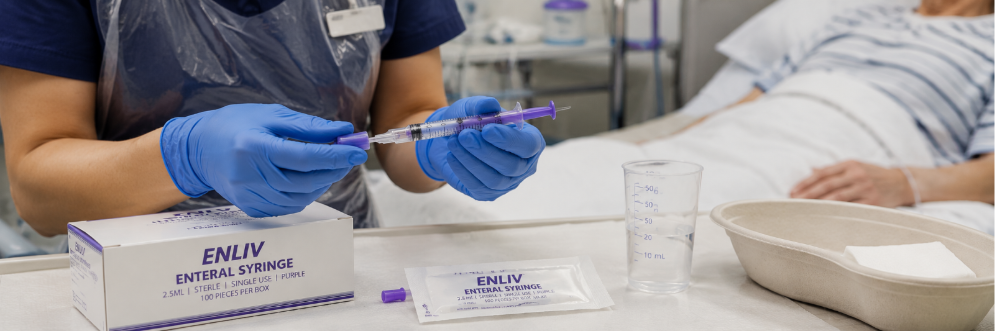
Choosing the correct syringe filter material is one of the most overlooked steps in laboratory sample preparation, yet it can make or break your analytical results. Whether you are preparing samples for HPLC, filtering biological fluids, or clarifying aqueous solutions, the membrane material determines chemical compatibility, particle removal efficiency, and the accuracy of your downstream analysis. This guide breaks down the most common syringe filter membrane materials available to Australian laboratories, helping healthcare professionals, researchers, and procurement teams select the right option for their application.
What Is a Syringe Filter and Why Does Material Matter?
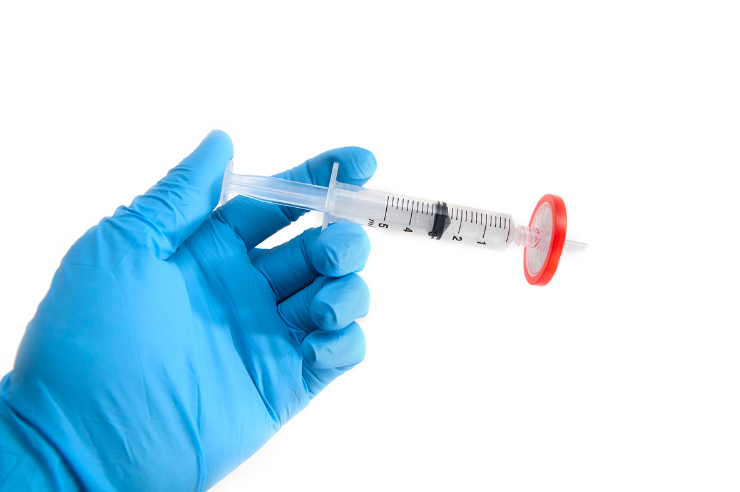
A syringe filter is a single-use device fitted to the end of a syringe, used to remove particulates, microorganisms, and contaminants from a liquid sample before it enters an instrument, vial, or container. The membrane inside the filter housing is the working component, and its material governs how the filter interacts with your sample.
Selecting the wrong membrane can lead to sample degradation, inaccurate readings, reduced protein recovery, or even filter failure under pressure. For laboratories across healthcare, pathology, research, and quality control settings, getting this decision right matters. Sourcing from a reliable supply range that covers multiple membrane types and pore sizes, such as Livingstone’s laboratory syringe filters within the broader needles, syringes and filters collection gives laboratories the flexibility to match the right filter to each application without compromise.
What Are the Most Common Syringe Filter Membrane Materials?
PTFE (Polytetrafluoroethylene)
PTFE is hydrophobic and highly chemically resistant. It is suitable for aggressive organic solvents, acids, and bases, making it ideal for environmental, pharmaceutical, and industrial applications.
Nylon
Nylon offers broad chemical compatibility for both aqueous and organic samples. It has good mechanical strength and high throughput but may bind proteins, making it unsuitable for protein recovery.
PES (Polyethersulfone)
PES is hydrophilic with low protein binding and good mechanical stability. It is commonly used for biological samples, culture media, and applications requiring high sample integrity.
PVDF (Polyvinylidene Fluoride)
PVDF is available in hydrophilic and hydrophobic forms. It provides low protein binding and low extractables, making it suitable for HPLC and biological analysis.
Cellulose Acetate (CA)
CA membranes are valued for very low protein binding in aqueous applications, making them a suitable choice for protein recovery work. They are generally not recommended for use with organic solvents.
How Do I Choose the Right Membrane for My Application?
Consider Your Sample Type First
If your sample is aqueous and contains proteins or biological material, PES, PVDF, or CA membranes are typically the better fit due to their low binding properties. If you are working with organic solvents or aggressive chemicals, PTFE is generally the safer choice.
Match the Membrane to Your Analytical Method
For HPLC applications, PTFE or Nylon membranes are typically preferred, while for protein analysis, CA, PVDF, or PES membranes are recommended for low protein binding. Matching the membrane to your method helps protect your instrumentation and improves the consistency of your results.
Check Pore Size Alongside Material
Membrane material is only part of the equation. The two most commonly used pore sizes, 0.22 µm and 0.45 µm, serve very different purposes, and selecting the wrong one can lead to instrument blockages, microbial contamination, or compromised data quality. A 0.45 µm filter is commonly used for general particulate removal, while a 0.22 µm filter is often used where sterilisation or finer clarification is required.
Don’t Overlook Chemical Compatibility Charts
Before selecting a membrane, check a chemical compatibility chart for your specific solvents and reagents. If solvents are changed during preparation, a different membrane may be required to prevent degradation or sample contamination.
Why Does This Matter for Healthcare and Laboratory Settings in Australia?
Australian laboratories, whether in pathology, research institutions, hospitals, or quality assurance settings, rely on consistent, contamination-free sample preparation to support accurate diagnostics and reproducible research outcomes. Choosing the correct syringe filter material is a small decision with a large downstream impact, helping minimise rework, protect expensive analytical instruments, and support compliance with internal quality protocols.
Stocking a range of membrane types, including PTFE, nylon, PES, and PVDF, allows laboratories to match the right filter to each application without compromise.
FAQ:
Which syringe filter material is best for HPLC?
PTFE and nylon membranes are commonly preferred for HPLC, with PTFE favoured for harsher organic solvents and nylon suited to routine aqueous and organic samples.
What is the best syringe filter for protein samples?
PES, PVDF, and cellulose acetate membranes are recommended for protein-containing samples due to their low protein-binding properties.
Can I use the same syringe filter for all sample types?
No. Membrane material should be matched to sample type and solvent compatibility to avoid degradation, contamination, or inaccurate results.
Conclusion:
Selecting the right syringe filter material does not need to be complicated once you understand the core differences between PTFE, nylon, PES, PVDF, and cellulose acetate. By considering your sample type, analytical method, and pore size requirements together, Australian laboratories can reduce errors, protect equipment, and achieve more reliable results across pathology, research, and quality control workflows.
Sources:
Sartorius (2024) Syringe filters for sterile filtration: Minisart®. Available at: https://www.sartorius.com/en/products/lab-filtration-purification/syringe-filters (Accessed: 15 June 2026).
KNAUER (2025) How to choose the right membrane for your syringe filter. Available at: https://store.knauer.net/blog/knauer-blog-7/how-to-choose-the-right-membrane-for-your-syringe-filter-30 (Viewed 15 June 2026).