For veterinary professionals working in close proximity to animals, aerosols, dander, and biological fluids throughout every shift, the right face mask is not a minor detail. It is a frontline barrier between staff wellbeing and a range of occupational hazards.
The Livingstone Lightweight Face Mask for Non-Therapeutic Use is purpose-built for exactly this environment, combining practical comfort with responsible design. Here is what veterinary clinics need to know.
What Is a Non-Therapeutic Face Mask and Why Does It Matter in Veterinary Settings?
A non-therapeutic face mask is a physical barrier designed to reduce contact-based and droplet spread in non-clinical environments.
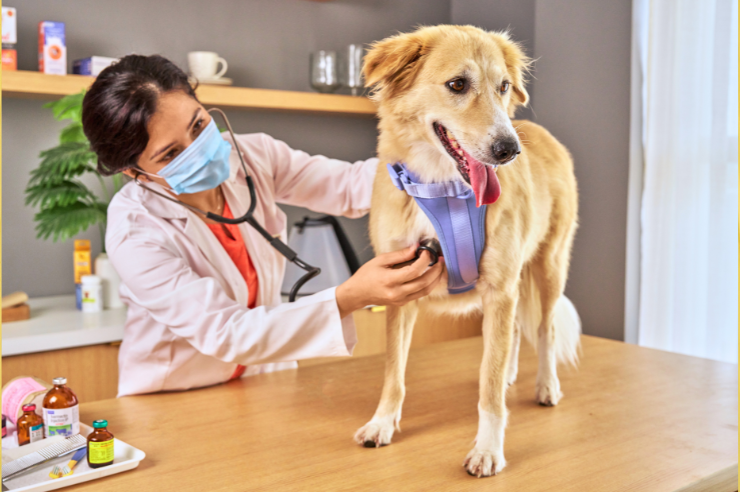
Though it is not a respirator and is not intended to filter airborne pathogens at the level of a P2/N95 mask. In veterinary practice, non-therapeutic masks are used during routine consultations, animal handling, administrative duties near clinical areas, and general hygiene protocols where a full respirator is not required.
For everyday veterinary use, this classification is practical and appropriate. A lightweight, earloop-style disposable paper mask handles the daily demands of a busy clinic without adding unnecessary bulk or cost.
The Case for Earloop Design in High-Turnover Veterinary Environments
Earloop face masks are among the most practical options for veterinary staff for several reasons. Unlike tie-style masks, earloop designs can be donned and doffed quickly, which is essential in fast-paced clinical environments where staff move between consultations, treatment rooms, and kennels throughout the day.
How Do Earloop Masks Reduce Contact-Based Spread?
One of the less-discussed benefits of well-designed earloop masks is that they reduce the urge to touch or readjust the face. Masks that fit poorly causes discomfort to wearers that leads them to touch their faces far more frequently, which is itself a primary route of contact-based spread.
A secure, comfortable earloop keeps the mask positioned correctly and discourages face-touching, lowering cross-contamination risk through the clinic.
Key Features of the Livingstone Lightweight Face Mask for Veterinary Use
The Livingstone Lightweight Face Mask for Non-Therapeutic Use has been designed with practical environments in mind. Its key specifications include:
- 2-ply biodegradable paper construction for lightweight wear and environmental consideration
- Elastic earloops for quick donning and doffing throughout a clinical shift
- No fibreglass content, making it safe for extended skin contact and sensitive wearers
- White finish, presenting a clean and professional appearance in clinical settings
- Non-therapeutic classification, appropriate for routine veterinary use outside high-risk respiratory procedures
- Available in boxes of 100 for bulk supply
Routine Scenarios Where a Lightweight Mask Is Appropriate
Veterinary professionals should consider wearing a lightweight disposable paper mask during:
- Routine consultations with dogs, cats, and small animals
- Grooming or bathing procedures where fur, dander, and spray are present
- Post-operative recovery monitoring in shared ward spaces
- Reception and client-facing duties where respiratory hygiene is relevant
- Cleaning and sanitation tasks between animal patients
- Situations involving animals with mild respiratory illness where full respirator use is not indicated
For high-risk scenarios involving suspected zoonotic diseases, a P2-rated respirator and full PPE ensemble is required. A lightweight face mask is not a substitute for respiratory protection in these situations (Business Queensland, 2018).
Why Biodegradable Paper Matters for Veterinary Clinics
Veterinary clinics generate significant volumes of single-use PPE waste. A mask that combines practical performance with biodegradable materials is a meaningful step toward more sustainable clinic operations.
Beyond sustainability, the paper construction keeps the mask lightweight and breathable during extended wear, which is particularly valuable for veterinary nurses and technicians who are active throughout their shifts.
Stocking the Right Mask for Your Veterinary Practice
Consistency is a cornerstone of effective IPC. Clinics that stock a single, well-suited mask option reduce confusion, improve compliance, and simplify ordering. Discover our full range of Livingstone veterinary protective masks to find the right supplies across your clinic’s specific needs.
Frequently Asked Questions
Are disposable paper face masks suitable for veterinary dental procedures?
For veterinary dental procedures, a higher-level mask or respirator is generally recommended due to the aerosol risk associated with ultrasonic scaling. A lightweight non-therapeutic face mask is appropriate for pre- and post-procedure handling and general ward duties, but the procedure itself warrants a more protective option.
How often should veterinary staff change their disposable face masks?
Single-use disposable masks should be changed between patients in high-contact scenarios, when visibly soiled, and at a minimum between morning and afternoon shifts. Disposable paper masks should never be reused once removed, as handling increases the risk of contamination transfer.
The Right Tool for a Demanding Environment
Veterinary clinics operate under constant occupational health demands, and equipping staff with appropriate, comfortable, and sustainably designed PPE is both a duty of care and a practical investment in team performance.
When the right protective wear is accessible, affordable, and comfortable, staff are simply more likely to wear it. And in a veterinary clinic, consistent use of protection is one of the easiest wins in an effective infection control programme.
References
Business Queensland 2018, Veterinary use of personal protective equipment and disinfectants, Queensland Government, viewed June 2026, https://www.business.qld.gov.au/industries/service-industries-professionals/service-industries/veterinary-surgeons/guidelines-hendra/ppe-disinfectants.
Therapeutic Goods Administration 2022, Face masks and respirators that we regulate, Australian Government Department of Health, viewed June 2026,
https://www.tga.gov.au/products/covid-19/covid-19-personal-protective-equipment-ppe/face-masks-and-respirators-we-regulate.
Willemsen, A, Cobbold, R, Gibson, J, Wilks, K & Reid, S 2024, ‘Are we doing enough to control infection risk in Australian small animal veterinary practice? Findings from a mixed methods study’, Frontiers in Veterinary Science, vol. 11,
https://pmc.ncbi.nlm.nih.gov/articles/PMC11588738/.
WorkSafe Queensland 2018, Selecting and using PPE in veterinary practice, Queensland Government, viewed June 2026, https://www.worksafe.qld.gov.au/safety-and-prevention/hazards/hazardous-exposures/biological-hazards/diseases-from-animals/hendra-virus/hendra-virus-information-for-veterinarians/selecting-and-using-ppe-in-veterinary-practice.