Every day, your hands come into contact with surfaces, tools, and materials that may not always be clean. Whether you are preparing food, cleaning a workspace, caring for a patient, or handling everyday tasks, having the right disposable gloves can make a real difference. But with so many options available, how do you know which type is right for the job?
At Livingstone International, you can find a wide range of quality vinyl gloves designed to support businesses across healthcare, hospitality, food service, cleaning, and many other industries. Our range focuses on comfort, quality, and reliable everyday protection, making it easier for you to find gloves that suit your workplace.
Let’s look at why vinyl gloves continue to be a popular choice for light-duty work and where they are best used.
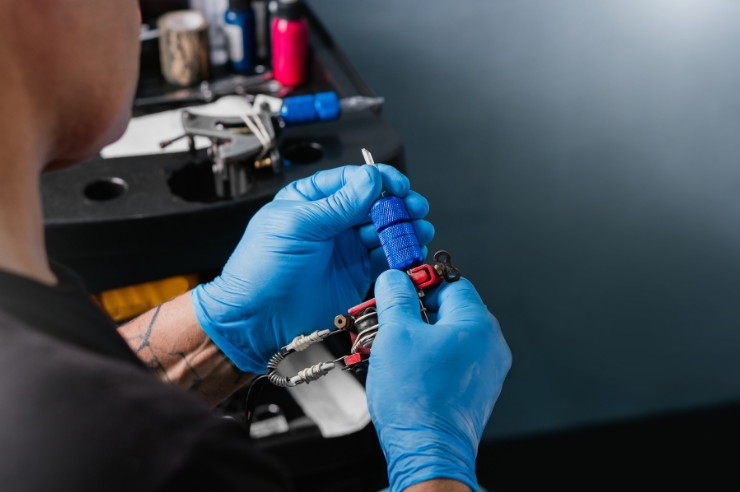
What Are Vinyl Gloves?
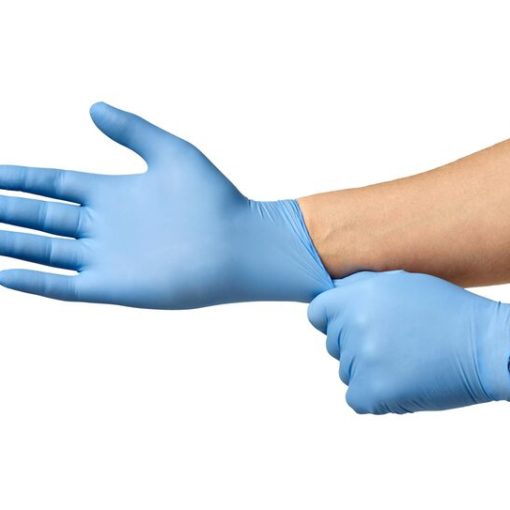
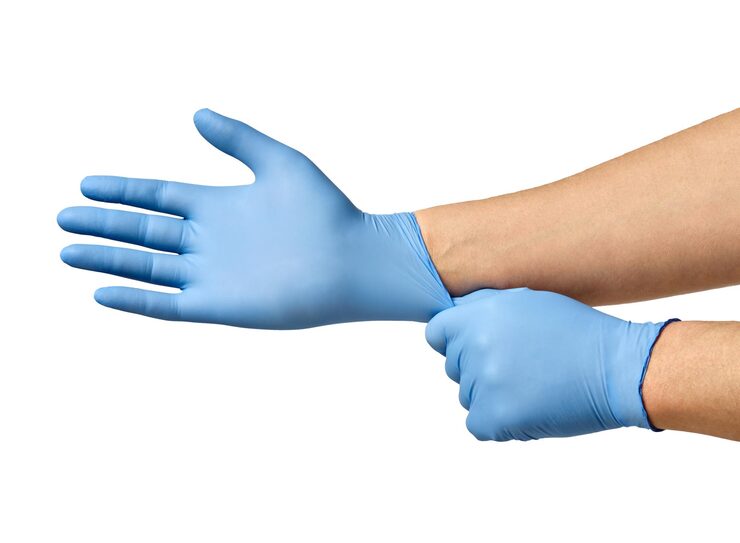
Vinyl gloves are disposable gloves made from a material called PVC, which stands for polyvinyl chloride. Unlike natural rubber gloves, they do not contain latex. This makes them a suitable option for people who have latex allergies or work in places where latex products are avoided.
One of the biggest reasons people choose vinyl gloves is their value. They provide a simple barrier between your hands and the items you handle. They are also easy to put on and take off, which is helpful when you need to change gloves regularly throughout the day.
While they are not as stretchy as nitrile gloves, they are still comfortable for many everyday jobs. If your work involves short tasks rather than long periods of wear, vinyl gloves can be a smart and practical choice.
Why Are Vinyl Gloves Ideal for Light-Duty Tasks?
Not every job requires the strongest glove available. In many workplaces, you simply need a clean barrier to help reduce the spread of dirt and germs while keeping your hands protected.
That is exactly where vinyl gloves perform well.
They are commonly used for tasks that do not involve sharp tools, hazardous chemicals, or high levels of exposure. Because they are cost-effective, many businesses use them when staff need to change gloves often.
For example, if you work in food preparation, reception areas, aged care support, beauty services, or general cleaning, vinyl gloves can help you complete everyday tasks comfortably without increasing operating costs.
Many workplaces also keep other glove options available. For higher-risk work, products such as Universal nitrile gloves or purple nitrile gloves may be more suitable because they offer greater durability and chemical resistance. Choosing the right glove depends on the task you are doing.
Common Industries That Use Vinyl Gloves
One reason vinyl gloves remain popular is that they can be used across many different industries. They offer a simple solution for jobs where hygiene matters but heavy-duty protection is not required.
Healthcare Support
Many people think every medical setting uses the same gloves, but that is not always true. In lower-risk healthcare tasks, vinyl gloves healthcare settings may use include basic patient care, cleaning equipment, or handling non-hazardous materials.
However, glove selection should always match the task being performed. Australian infection prevention guidance recommends choosing gloves based on the level of risk rather than using one glove type for every situation..
Food Handling
Food businesses often need staff to change gloves several times during a shift. Vinyl gloves work well for many food preparation tasks because they are comfortable, easy to replace, and help support good hygiene practices.
Of course, gloves are only one part of food safety. You should also wash your hands properly and change gloves whenever needed to reduce the risk of cross-contamination.
Cleaning Services
Cleaning staff often move from one area to another throughout the day. Wearing disposable vinyl gloves can help keep hands clean while making glove changes quick and easy between different cleaning tasks.
Beauty and Personal Care
Hairdressers, beauty therapists, and salon staff often use disposable gloves for treatments such as hair colouring, basic cleaning, or other light procedures. Since these tasks usually require frequent glove changes, vinyl gloves offer a practical and economical solution.
People sometimes ask if vinyl gloves replace every other glove type. The answer is no. Every glove has its own purpose. Latex exam gloves may provide a closer fit for certain clinical tasks, while nitrile gloves are often chosen when extra strength or chemical resistance is needed. Vinyl gloves simply fill an important role for everyday, lower-risk work where comfort, hygiene, and value matter most.
How to Choose the Right Vinyl Gloves
Not all vinyl gloves are exactly the same. Before you buy, it helps to think about how and where you will use them.
Start by choosing the right size. Gloves that are too tight can feel uncomfortable, while gloves that are too loose can make simple tasks harder. A good fit helps you move your hands more naturally.
Next, think about the job. If you are handling food, cleaning surfaces, or carrying out general workplace tasks, vinyl gloves are often a practical option. If your work involves chemicals, sharp objects, or long periods of wear, you may be better choosing a stronger glove instead.
You should also consider how often gloves need to be changed. In workplaces where staff change gloves many times a day, vinyl gloves can be a cost-effective choice without compromising everyday hygiene.
Looking After Your Hands While Wearing Gloves
Wearing gloves is only one part of good hand care. Your hands can still become dry or irritated if you wear disposable gloves for long periods without taking care of your skin.
Wash your hands before putting on gloves and after removing them. Dry your hands well before wearing a new pair. If your skin feels dry, use a hand moisturiser at the end of your shift or whenever needed.
It is also important to change gloves when they become damaged, dirty, or after finishing a task. Disposable gloves are designed for single use. Reusing them can reduce their effectiveness and increase the chance of spreading germs.
These small habits help keep both your hands and your workplace cleaner.
Vinyl Gloves vs Other Disposable Gloves
Many people wonder which glove is the best. The truth is that there is no single answer because every workplace is different.
Vinyl gloves are a great choice for light-duty jobs where comfort, hygiene, and affordability matter most. They are easy to use and ideal for tasks that do not require high chemical resistance or extra durability.
Latex exam gloves are known for their close fit and flexibility. However, some people have latex allergies, which means they are not suitable for every workplace.
Nitrile gloves have become another popular option. Products such as Universal nitrile gloves and purple nitrile gloves are often chosen when extra strength, puncture resistance, or chemical protection is needed. They usually cost more than vinyl gloves, but they perform better in demanding environments.
Instead of asking which glove is best, ask yourself another question: What job am I doing today? Once you answer that, choosing the right glove becomes much easier.
Simple Tips for Getting the Most from Vinyl Gloves
Using vinyl gloves correctly helps you get better protection and avoid unnecessary waste.
Here are a few simple tips:
- Choose the correct glove size before starting work.
- Put on a fresh pair for every new task.
- Replace gloves straight away if they tear or become dirty.
- Never wash or reuse disposable vinyl gloves.
- Store gloves in a cool, dry place away from direct sunlight.
- Follow your workplace hygiene procedures at all times.
These simple steps only take a few moments, but they can make a big difference in keeping your workplace clean and safe.
Final Thoughts
When you need reliable protection for everyday, light-duty tasks, vinyl gloves continue to be a practical choice. They are comfortable, affordable, easy to replace, and suitable for many workplaces where frequent glove changes are part of the day.
Whether you work in healthcare support, food service, hospitality, cleaning, education, or general facilities management, choosing the right disposable gloves helps you work with confidence while supporting good hygiene practices.
At Livingstone International, you’ll find a wide selection of quality vinyl gloves designed to meet the needs of Australian businesses across many industries. With dependable products, trusted quality, and a strong focus on workplace safety, we makes it easier for you to find the right gloves for your everyday tasks.
Frequently Asked Questions
1. What are vinyl gloves mainly used for?
Vinyl gloves are commonly used for light-duty tasks such as food preparation, cleaning, beauty treatments, hospitality, and general healthcare support. They provide a simple barrier that helps maintain hygiene during everyday work.
2. Are vinyl gloves suitable for healthcare settings?
Yes. Vinyl gloves healthcare professionals use are suitable for many low-risk, non-sterile tasks. The type of glove should always match the level of risk and the procedure being carried out.
3. Are vinyl gloves safe for people with latex allergies?
Yes. Vinyl gloves are made without natural latex, making them a suitable choice for people who have latex allergies or work in environments where latex products are avoided.
4. How are vinyl gloves different from nitrile gloves?
Vinyl gloves are generally best for light-duty work and frequent glove changes. Nitrile gloves offer greater durability, puncture resistance, and chemical protection, making them better suited for more demanding tasks.
5. Can vinyl gloves be used for food handling?
Yes. Vinyl gloves are widely used in food preparation and food service. They should be changed regularly, and proper handwashing should always be followed to help maintain good food hygiene.
6. Where can I buy quality vinyl gloves in Australia?
You can find a wide range of disposable vinyl gloves from Livingstone International. Their selection includes gloves designed for healthcare, hospitality, cleaning, food handling, and many other everyday workplace applications.