You’ve probably cut your finger at some point. Maybe in the kitchen while chopping vegetables. Perhaps at work on a sharp edge. Or your child came home from school with a nasty paper cut.
Your first instinct? Grab a standard bandage from the first aid kit. Stick it on. Hope for the best. But here’s the thing. Not all finger injuries are the same. And not all bandages work well on fingers.
So what’s actually different about a Livingstone International finger dressing compared to a regular bandage? And when should you choose one over the other?
Let’s explore more about it.
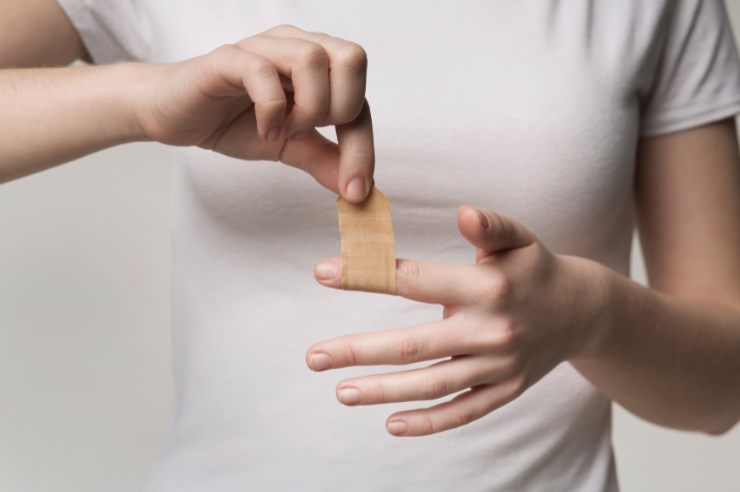
What Makes Finger Wounds Different
Fingers are tricky. They bend. They move constantly. They get wet when you wash your hands. They bump into things without you even noticing.
Standard bandages, the ones you find in most first aid kits, work fine for flat surfaces.
Like your forearm or your thigh. But fingers? They’re curved. They have joints. A regular bandage often wrinkles, peels off, or just doesn’t stay put.
This is where finger dressings come in.
It is specifically designed for these tricky areas. It wraps around the finger properly. It stays in place even when you move your hand. And it provides better protection for the wound .
The Real Difference in Design
Let’s look at what makes them different.
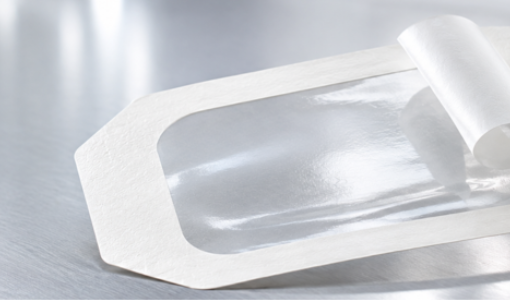
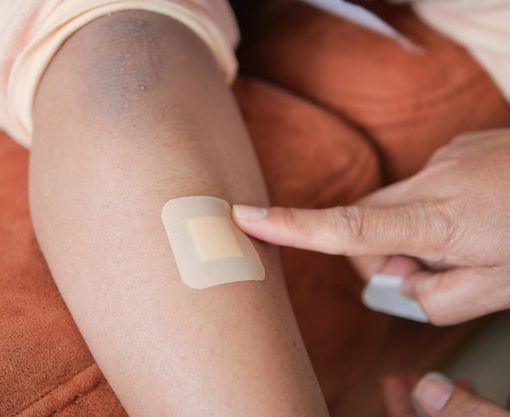
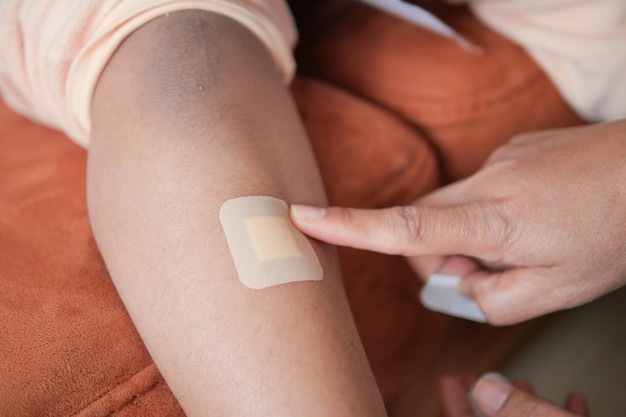
Standard bandages usually have a small pad in the middle with adhesive on both ends. You peel off the backing and stick it flat over the wound. Simple. But on a finger, the adhesive ends often overlap or lift up. The pad might not fully cover the wound. And water gets in easily.
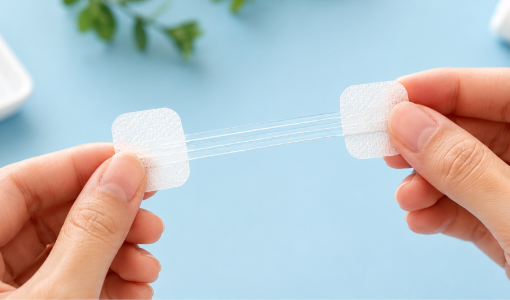
They work differently and have a larger, thicker pad attached to a bandage that wraps around the finger . Some have an adhesive tab to secure the end . Others use a self-adherent bandage that sticks to itself without tape.
This wrapping design means the dressing stays secure even when your finger bends. The pad stays exactly where it should be. And because it covers the entire area around the finger, it offers better protection from dirt and bacteria.
When You Should Reach for a Finger Dressing
You don’t need a finger dressing for every tiny cut. But there are times when it’s clearly the better choice.
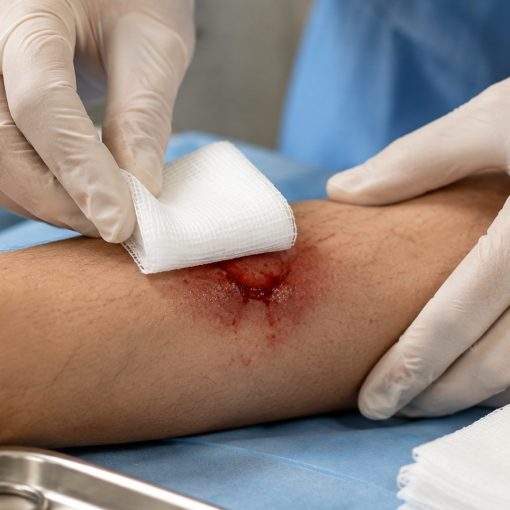
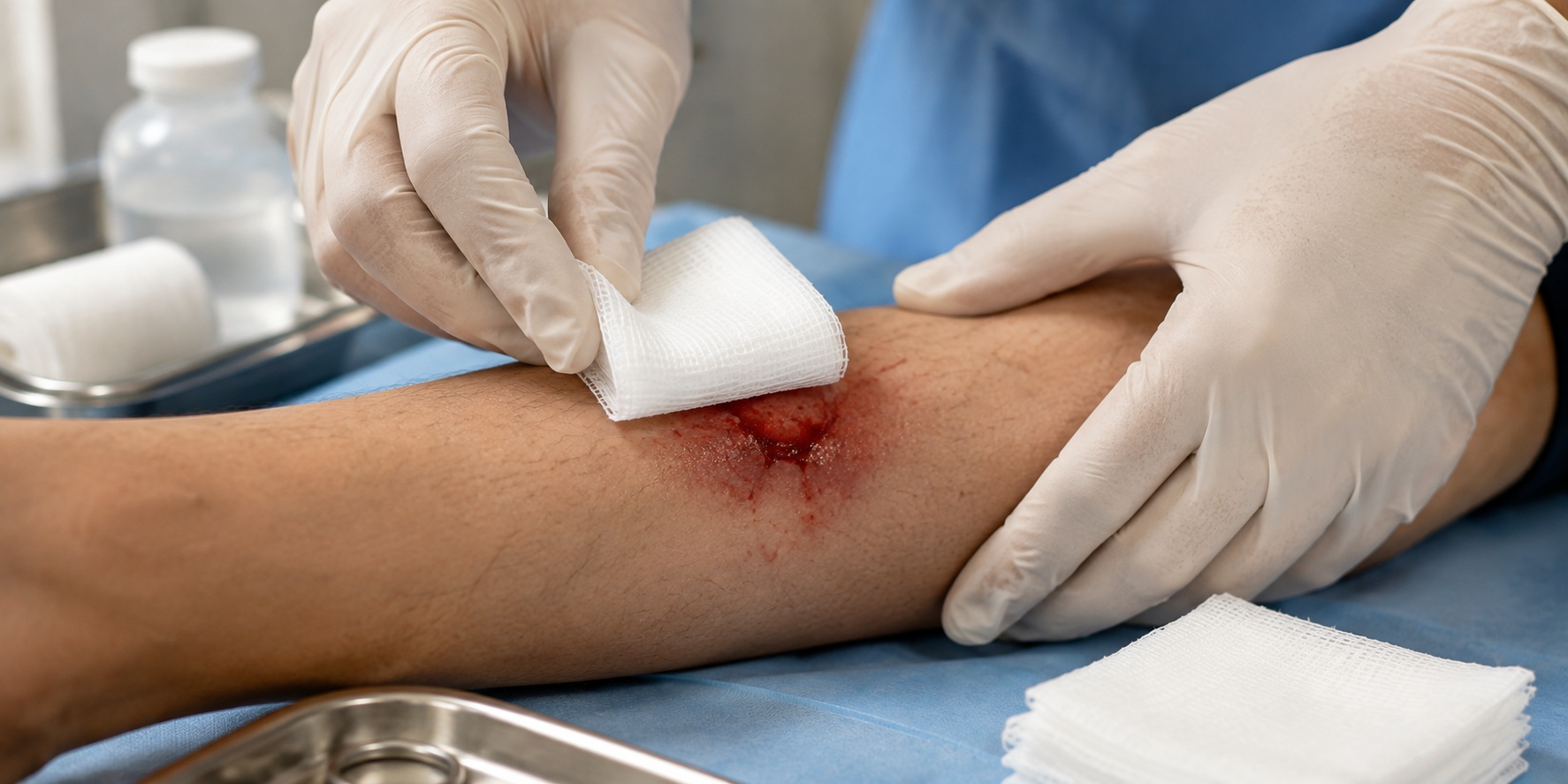
Deep cuts or lacerations are a good example. Standard bandages often can’t provide enough pressure to stop bleeding on a finger. A finger dressing wraps around the entire wound, applying even pressure that helps slow the bleeding.
Wounds near joints are another situation. Think about the knuckle area. Every time you bend your finger, a regular bandage pulls or creases. It becomes loose, and the wound gets exposed. Finger dressings are designed to handle this movement.
When you need better absorption, a finger dressing is also the way to go. The pad on a finger dressing is usually larger and more absorbent than what you get on a standard bandage . This matters for wounds that are oozing or bleeding more than a minor scrape.
For workplace first aid kits, finger dressings are actually recommended over standard plasters . They offer more protection and stay on longer, which means fewer dressing changes and less risk of infection.
What About Sterile Finger Dressings?
Here’s something many people overlook. Sterility matters.
Standard bandages in your first aid kit are usually sterile when you open them. That’s fine for minor cuts. But some wounds need a higher level of cleanliness.
Sterile finger dressings are individually wrapped and sterilised . They’re often used in hospitals, by paramedics, and in settings where infection control is critical .
If you’re dealing with a wound that’s deep, or if the person has a weakened immune system, using a sterile finger dressing makes sense. It’s an extra layer of protection you don’t get with standard bandages.
For workplace safety, it’s worth checking the first aid compliance standards. Many workplaces now stock sterile finger dressings specifically . You can find guidance on workplace safety requirements through Safe Work Australia, which provides practical information about first aid in Australian workplaces.
Nobody likes changing a dressing. Especially when it’s stuck to the wound.
Standard bandages often stick directly to the wound surface. When you pull them off, you’re essentially pulling open the wound again. This slows healing and causes unnecessary pain.
Finger dressings are different. Most have a non-adherent pad. This means the pad does not stick to the wound itself . It absorbs fluid and protects the wound, but comes off cleanly without tearing the healing tissue.
This is a huge advantage, especially for children or anyone who’s sensitive to pain. Your finger might still be tender, but at least the dressing change isn’t making it worse.
Which One Should You Keep at Home?
You probably already have standard bandages in your medicine cabinet. There’s nothing wrong with that. They’re useful for small scrapes and everyday cuts.
But adding a box of finger dressings to your first aid kit is a smart move. They’re not expensive. They don’t take up much space. And when you actually need one, you’ll be glad you have it.
You’re cooking dinner and you slice your finger while chopping onions. It’s not deep enough for stitches, but it keeps bleeding every time you move your hand.
A standard bandage won’t stay on. You’re back in the drawer looking for tape. A finger dressing wraps around, stays secure, and lets you finish cooking without a mess.
That’s the practical difference.
What to Look for When Buying Finger Dressings
If you’re going to buy finger dressings, there are a few things worth checking.
- Size matters: Finger dressings come in different sizes to fit different fingers . A dressing that’s too small won’t cover the wound properly. One that’s too large gets in the way.
- Check the pad: Look for a non-adherent pad that sits against the wound. This makes removal easier and less painful.
- Sterility: If you want them for a first aid kit, make sure they’re individually wrapped and sterile. This keeps them clean until you need them.
- Easy application: Some finger dressings have a self-adherent bandage that sticks to itself. Others have an adhesive tab to secure the end . Both work well. Just pick what makes sense for your needs.
Final Thoughts
Standard bandages have their place. They’re quick. They’re cheap. They work on flat body parts.
Livingstone International offers a range of healthcare and first aid products that are trusted across Australia. Our finger dressings are designed with these practical needs in mind – good absorption, non-adherent pads, and secure application. Whether you need them for a workplace kit, a school, or your home, choosing quality products gives you confidence when you actually need to use them.
Frequently Asked Questions
1. What exactly is a finger dressing?
A finger dressing is a sterile, absorbent pad attached to a bandage that wraps around your finger. It’s designed specifically for finger injuries and offers better protection than a standard plaster.
2. How is a finger dressing different from a normal bandage?
A finger dressing wraps fully around your finger and stays secure even when you bend your finger. The pad is usually larger and more absorbent, and it often has a non-adherent surface that won’t stick to the wound.
3. When should I use a finger dressing instead of a standard bandage?
Use a finger dressing for deeper cuts, wounds near finger joints, or injuries that bleed more than a minor scrape. They’re also better for workplace first aid kits where more protection is needed.
4. Are finger dressings sterile?
Many finger dressings are individually wrapped and sterilised, making them suitable for healthcare settings and first aid kits where infection control matters.
5. Can a finger dressing be used for other body parts?
Finger dressings are specifically designed for fingers. For other body parts, standard dressings or bandages are more suitable.
6. What should I look for when buying finger dressings?
Look for a non-adherent pad that won’t stick to the wound, the right size for your finger, and individual sterile packaging. For workplace use, check that the product meets local first aid standards.