You have probably seen those bright yellow containers in doctors’ offices, hospitals, or even public restrooms. They are hard to miss. But have you ever stopped to think about why they exist?
Here is the truth. Used needles are dangerous. Not just to doctors and nurses, but to anyone who might come across them. A single needle stick can transmit serious diseases like hepatitis or HIV. That is not a risk anyone should take.
So what do you do with used needles? You cannot just toss them in the regular bin. A rubbish bag will tear. A needle will poke through. Then a cleaner or a waste worker gets hurt. That is where a sharps container comes in. These are tough, puncture-proof boxes made specifically for used needles and other sharp medical tools.
At Livingstone International, you can find reliable sharps containers that make needle disposal safe and simple. But let me walk you through why using a dedicated container matters, how to use one properly, and what happens if you do not.
What Exactly Is a Sharps Container?
Let me keep this simple.
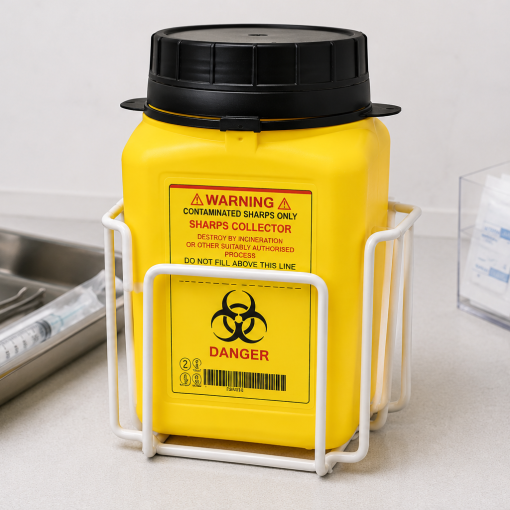
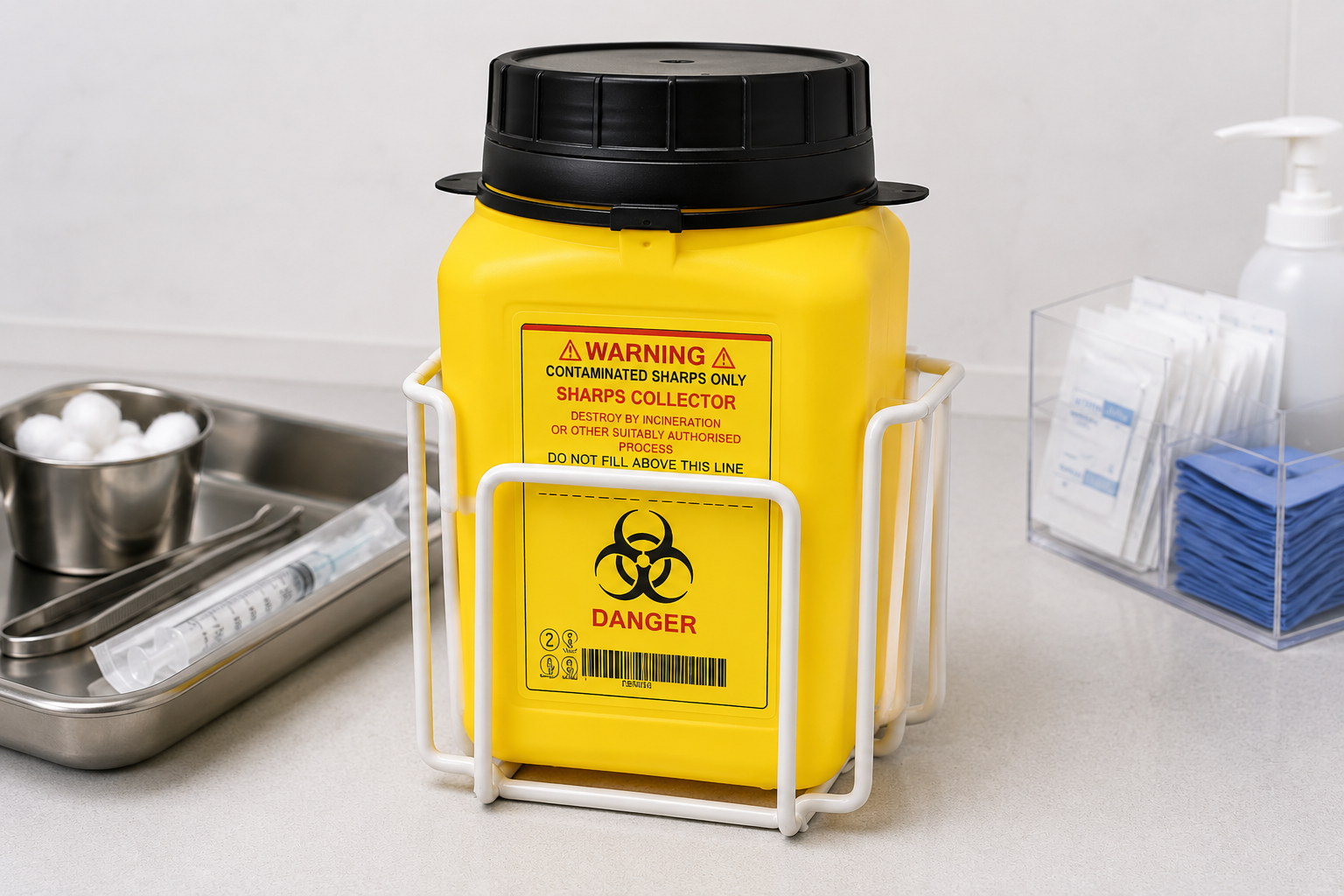
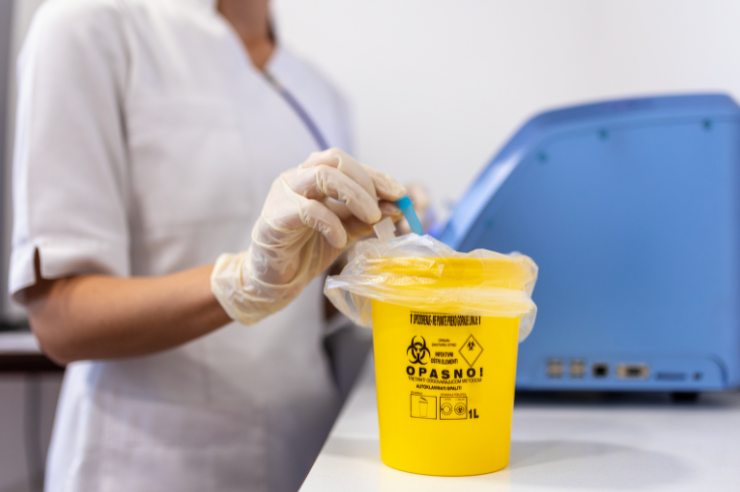
A sharps container is a hard plastic box. The plastic is thick. A needle cannot poke through it. The lid locks shut so nothing falls out. Most are bright yellow with a clear
biohazard symbol printed on them.
You put used needles inside. That is all. Once the container is full, you seal it and send it for proper disposal.
Some people call it a needle sharp waste collector. Others say sharp disposal container. Same thing. Different name.
The one you see most often is the yellow sharps container. Yellow is the standard colour for infectious waste in healthcare. You see yellow, you know to be careful.
Why You Cannot Just Use Any Old Container
You might think, why buy a special container? Why not use an empty laundry detergent bottle or a thick jar?
I get the logic. But here is why that is a bad idea.
A detergent bottle is not designed for needles. The plastic might be thick, but the lid is not sealed. Someone could open it. A needle could fall out. Or worse, a child or a cleaner might not know what is inside and get stuck.
A container for sharps needs to meet safety standards. It needs a one-way lid. You push the needle in, but you cannot pull it back out. It needs to be leak-proof. It needs to be clearly labelled so everyone knows what is inside.
Regular containers do not have these features. That is why healthcare facilities and even people managing diabetes at home use medical sharps containers instead of makeshift options.
The Real Benefits of Using a Dedicated Sharps Container
Let me list the benefits simply. No fluff. Just what matters to you.
Your safety comes first. A proper sharps container stops needle stick injuries. The hard plastic walls mean nothing pokes through. The locking lid means nothing falls out. You protect yourself and everyone who handles your waste after you.
You follow the law. In Australia, clinical waste rules require used sharps to go into approved containers. According to Safe Work Australia, failing to dispose of sharps properly can lead to fines and legal trouble for businesses. For households, your local council may have specific rules. Either way, a proper container keeps you compliant.
You protect waste workers. Think about the people who collect your rubbish. They do not know what is inside each bag. If a needle is loose in a regular bin, they could get stuck. A sealed sharps container tells them exactly what they are dealing with.
You keep public spaces safe. Used needles left in park bins or public toilets hurt innocent people. Children find them. Homeless individuals sorting through rubbish get stuck. A proper container prevents needles from ending up where they do not belong.
You save money in the long run. A single needle stick injury costs a workplace thousands of dollars in medical tests, time off, and paperwork. A sharps container costs a few dollars. The math is simple.
How To Use a Sharps Container the Right Way
You would think using a sharps container is obvious. Put needle in. Close lid. Done. But I have seen people make mistakes. Let me walk you through it properly.
First, place the container somewhere stable. On a counter. On a cart. Somewhere it will not tip over. Never hold it in your hand while inserting a needle. That is how you miss and stick yourself.
Second, do not overfill the container. Most have a fill line printed on the side. Stop when you reach that line. Overfilled containers are hard to close safely, and needles can poke through the lid.
Third, never push needles in with your fingers. Use the needle itself or a pair of forceps if you must. Your fingers should never go near the opening.
Fourth, when the container is full, lock the lid. Most have a permanent closure mechanism. You push the lid down until it clicks. That click means no one can open it again.
Fifth, dispose of the sealed container according to your local rules. Many councils have drop-off points at pharmacies or community health centres. Some offer collection services. Do not put it in your household recycling bin.
What About Recycling? Can You Recycle Sharps Containers?
This is a common question. People want to do the right thing for the environment. But
let me be clear.
You cannot just recycle sharps containers through your normal recycling bin. Used needles are clinical waste. They need special treatment.
However, some programs do recycle the containers themselves after they have been properly treated. The container goes to a facility that incinerates the needles first. Then the remaining plastic is cleaned and recycled.
If you want to recycle sharps containers, you need to use a professional service. Do not try to empty and clean a used container yourself. That is dangerous.
For most people, the best option is to return the sealed container to a pharmacy or a hospital. They will handle the rest. If you live in Melbourne and need sharps container disposal Melbourne, many local councils publish drop-off locations on their websites.
Who Needs a Sharps Container?
You might think this is only for hospitals. Not true.
Anyone who uses needles at home needs a sharps disposal container. That includes people managing diabetes, allergies, arthritis, or fertility treatments. Also people who give themselves vitamin B12 injections or other medications.
Veterinary clinics need them too. So do tattoo shops and piercing studios. Even schools with trained medical staff should have them on hand. Basically, if you or anyone around you uses needles, you need a safe place to put them.
What To Look For When You Buy a Sharps Container
If you are ready to buy sharps container, here is what to check.
Look for Australian standards approval. The container should meet AS 4031, which is the standard for sharps disposal units. This is not just a fancy label. It means the container has been tested and approved.
Check the size. A small 1.4 litre container like the one Livingstone International offers is good for home use. A larger 5 litre or 10 litre container makes more sense for a busy clinic.
Check the lid design. You want a one-way opening that lets needles go in but not come out. Some have a temporary lock for transport and a permanent lock for final disposal.
Check the colour. Yellow is standard. Do not buy a sharps container that is any other colour. Yellow tells emergency workers and waste handlers exactly what they are dealing with.
And check the price. These are not expensive items. If you see one that is suspiciously cheap, the plastic might be too thin. Spend a little more for safety.
A Quick Story To Make This Real
A friend of mine manages a small medical clinic. One day, a cleaner came to her in tears. He had been emptying a regular bin and a loose needle stuck him through the bag. He spent the next six months getting blood tests for HIV and hepatitis. Every test came back negative, thank God. But those six months of waiting and worrying? Awful.
That needle came from a patient who did not use the sharps container. The patient was in a hurry. Thought one needle in the regular bin would not hurt. It almost ruined a man’s life.
Do not be that patient.
Final Thoughts
Look, using a sharps container is not complicated. You get the right container. You put your used needles inside. You seal it when it is full. You take it to a proper disposal point.
That is it. Three minutes of effort per container. But that small effort protects cleaners, waste workers, children, and even your own family members.
Livingstone International carries quality sharps containers that meet Australian standards. Whether you need one for home diabetes care or a box of fifty for a busy clinic, they have you covered.
Do not toss needles in the regular bin. Do not use a random plastic bottle. Get a proper yellow sharps container. Use it right. Keep everyone safe. It is that simple.
FAQs
1. How full can I fill my sharps container?
Fill it to the line marked on the container, usually about three quarters full. Never push needles down to squeeze more in.
2. Can I put anything other than needles in a sharps container?
Only sharp medical items like lancets, scalpel blades, and broken glass vials go inside. No bandages, gloves, or liquid waste.
3. How do I lock a sharps container closed?
Push the lid down firmly until you hear a click. Some containers need you to slide a locking mechanism. Check the instructions on your container.
4. Where can I take a full sharps container for disposal?
Most pharmacies accept them. Some councils have drop-off days. Call your local council or visit their website for specific locations.
5. Can I travel with a sharps container?
Yes, but check airline rules first. Most allow small containers in carry-on luggage if you have a medical need. Keep it in a separate bag for screening.
6. Does Livingstone International sell sharps containers?
Yes. Visit their website to find medical sharps containers in different sizes for home or clinic use.