When you step into a lab, one of the most common tools you’ll notice is a petri dish. It may look simple, but it plays a major role in scientific discovery, especially in microbiology and research.
If you’re working in a lab or even studying science, understanding the different types of petri dishes and how you can use them effectively will help you get better and more reliable outcomes.
Brands like Livingstone International provide high-quality options designed for both professional and educational use.
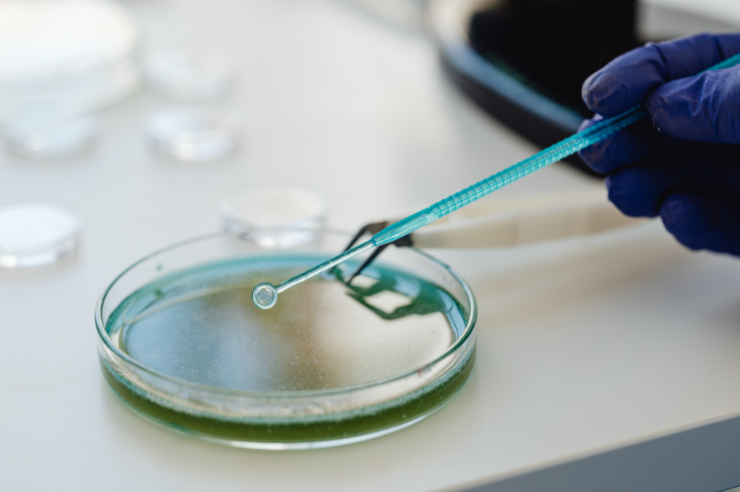
What Is a Petri Dish?
A petri dish is a shallow, round container used to grow microorganisms such as bacteria and fungi. It is usually used with agar, a gel-like substance that supports microbial growth.
You’ll often hear terms like:
- petri dish and agar
- agar petri dish
- bacteria petri dish
These simply refer to how the dish is used in experiments. When you add agar to a petri dish, it creates the perfect environment for studying microbial growth.
Main Types of Petri Dish
Understanding the different types helps you choose the right one for your work.
1. Glass Petri Dish
A glass petri dish is reusable and commonly used in long-term laboratory settings. It is often made from borosilicate glass petri dish material, which can handle high temperatures.
Best for:
- Repeated experiments
- Sterilisation using autoclaves
- Research labs
You can reuse these dishes, but you must sterilise them properly before each use.
2. Plastic Petri Dish
Plastic petri dishes are disposable and widely used in labs where convenience and hygiene are important.
Best for:
- Single-use experiments
- Clinical and diagnostic labs
- Reducing contamination risks
These are lightweight and cost-effective, especially when you need non vented petri dishes for controlled environments.
3. Vented vs Non-Vented Petri Dishes
You’ll often come across:
- Non vented petri dishes
- Vented petri dishes
Non-vented dishes are sealed tightly, which helps prevent contamination and maintain moisture.
Vented dishes allow airflow, which can reduce condensation.
Use non-vented dishes when:
- You need a controlled environment
- You want to minimise contamination
4. Sterile Petri Dishes
Sterile petri dishes are pre-treated and ready to use. They are commonly used in medical and microbiology labs.
Benefits:
- Save time
- Reduce preparation work
- Lower contamination risk
How Petri Dishes Are Used in Science
A petri dish of bacteria is one of the most common setups in science labs. Here’s how you can use it:
Growing Bacteria
You can place a sample on an agar petri dish and allow bacteria to grow. This helps you:
- Study microbial behaviour
- Test antibiotics
- Observe colony formation
Identifying Microorganisms
Scientists use petri dishes to identify bacteria on petri dish surfaces by analysing colony shape, colour, and growth patterns.
This process is widely used in:
- Medical diagnostics
- Food safety testing
- Environmental research
Research and Education
Petri dishes are also used in:
- School experiments
- University research
- Pharmaceutical testing
They help you understand how microorganisms behave in controlled conditions.
Importance of Sterility and Lab Safety
Using a bacteria petri dish requires proper hygiene and sterile handling. Even small contamination can affect your results and lead to inaccurate findings.
According to Australian health guidelines, all reusable laboratory equipment must be properly cleaned and sterilised before reuse to remove contaminants and microorganisms. This process is essential to ensure reliable outcomes and prevent cross-contamination in lab environments.
If you want to understand the correct cleaning and sterilisation process in detail, you can refer to this official NSW Health guide:
https://www.health.nsw.gov.au/environment/factsheets/Pages/clean-equipment.aspx
In practical terms, this means you should:
- Always use sterile or pre-sterilised petri dishes
- Avoid exposing agar surfaces to open air for too long
- Store dishes in clean, dry conditions
- Follow proper disposal or sterilisation methods after use
Common Mistakes to Avoid
If you’re using a petri dish, avoid these mistakes:
- Touching the agar surface directly
- Leaving dishes open for too long
- Reusing disposable dishes
- Not labelling samples properly
Even small errors can affect your results.
Conclusion
A petri dish may seem simple, but it is one of the most important tools in science and research. Whether you are growing bacteria, testing samples, or learning in a classroom, choosing the right type can improve your results significantly.
With trusted suppliers like Livingstone International, you can access reliable and high-quality petri dishes that meet both professional and educational needs. When you combine the right equipment with proper lab practices, you set yourself up for accurate and meaningful scientific outcomes.
FAQs
1. What is the difference between glass and plastic petri dish?
A glass petri dish is reusable and heat-resistant, while plastic dishes are disposable and more convenient for single-use experiments.
2. Why is agar used in a petri dish?
Agar provides nutrients and a stable surface for microorganisms to grow, making it ideal for studying bacteria and fungi.
3. Can you reuse a petri dish safely?
Yes, but only glass petri dishes can be reused after proper sterilisation. Disposable plastic dishes should not be reused.
4. What are non vented petri dishes used for?
Non vented petri dishes are used to maintain a sealed environment, reducing contamination and preserving moisture.
5. How do you identify bacteria on a petri dish?
You can identify bacteria on petri dish by observing colony size, shape, colour, and growth patterns under controlled conditions.
6. What size petri dish is commonly used in labs?
The most common size is 90x15mm, which provides enough space for microbial growth and observation.