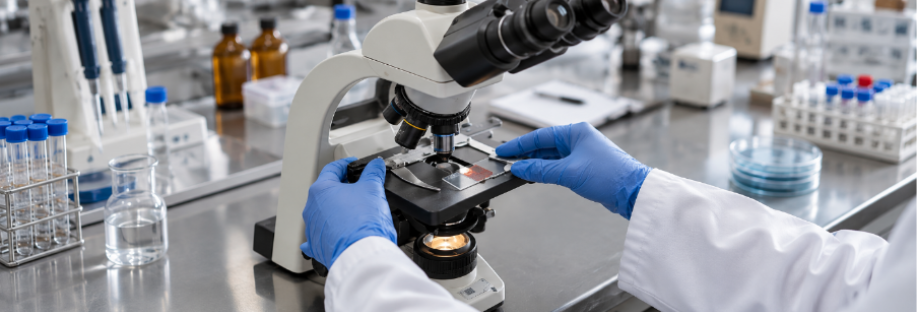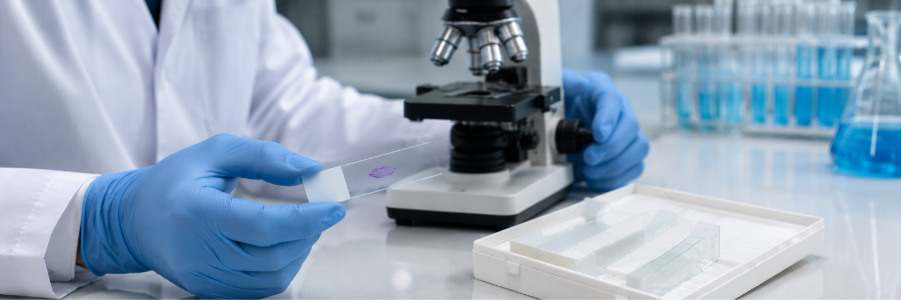
Ever spend forever looking for one specific microscope slide? You know it’s somewhere in that pile, but where exactly? Yeah, it’s frustrating. You’re digging through everything, and by the time you find it, you’ve wasted half your class time or lab session.
This happens to students, lab workers, and teachers all the time. The good news? A histology case can fix this problem. But here’s the thing – not all cases are equal. Let’s explore why cardboard ones are actually pretty great.
What Is a Histology Case?
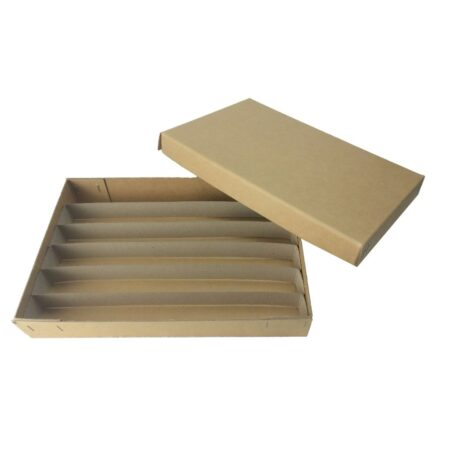
It’s basically just a box that holds microscope slides. Some people call it a microscope slide box or a cardboard slide box. Same thing. The whole point is to keep your slides organised, stop them from breaking, and help you find them fast when you need them.
Think about it. You walk into the lab, open your case, and grab exactly what you need. No mess. No broken glass. No stress. That’s what a good histology case does for you.
Why Choose a Recyclable Cardboard Histology Case?
So why cardboard? Why not plastic or metal? Good question. Turns out cardboard has some real benefits.
1. Better for the Planet
Labs create a ton of waste. Plastic boxes usually end up in the trash, and they sit there for years. Cardboard is different – you can recycle it when you’re done.
It might seem like a small thing, but lots of labs and schools are trying to be greener now. Using recyclable boxes is one easy way to help. Plus, you feel better knowing you’re not adding more plastic junk to the world.
2. Super Light
Cardboard weighs way less than plastic or metal. Ever carried a heavy box of slides across campus? Your arm gets tired really quickly. A histology case for slides made from cardboard is so much easier to carry around. You can toss it in your bag without it pulling your shoulder down.
Now, you might worry that light means weak. But that’s not true anymore. These cardboard cases are made tough. They hold your slides nicely and securely. They don’t fall apart just because they’re light.
3. Everything Has Its Place
Here’s what I really like – the compartments. Most cardboard slide boxes come with separate sections inside. You can sort your slides however you want. By date, by sample type, by experiment – whatever works for you.
Let’s say your box has six compartments. Each one holds a bunch of slides. When you need something, you just look in the right section. Takes like two seconds. No more dumping everything out or breaking slides while you search. It just works.
4. Cheap
Money matters, especially if you’re a student or your lab doesn’t have a huge budget. Cardboard cases cost way less than plastic or metal ones. You can buy several and still have money left over for other stuff you need.
And here’s the best part – cheap doesn’t mean bad. These boxes do their job. They protect your slides, they last, and they don’t fall apart after one use. You’re getting solid quality without spending a fortune.
5. Keeps Your Slides Safe
You know that awful moment when you realise you just broke a slide? Maybe it was rare. Maybe you can’t replace it. That feeling sucks.
A histology case for slides helps stop that from happening. The cardboard holds everything snug. Slides don’t rattle around and bang into each other. The compartments keep them apart so they don’t scratch. Your samples stay safe, and you can stop worrying about accidents.
Tips for Using Your Histology Case
If you decide to get a cardboard slide box, here’s some advice that’ll help:
- Label everything. Seriously. Use sticky notes or tape with writing on it. Mark what’s in each compartment. You’ll save so much time.
- Be gentle with slides. Yeah, the case protects them, but they’re still glass. Don’t just throw them around.
- Keep it dry. Cardboard doesn’t like water. Store your case somewhere dry, not next to a sink or anywhere damp.
- Don’t stack heavy stuff on top. If you’ve got multiple cases, don’t pile books or equipment on them. Just let them sit flat.
- Recycle when you’re done. When your case gets old and worn out, toss it in the recycling bin. That’s the whole reason you picked cardboard in the first place.
Do these things, and your histology case for slides will last way longer. Plus, your slides will stay in good shape.
Final Thoughts
A recyclable cardboard histology case isn’t fancy. It’s just a smart, simple way to store your slides. It’s light, cheap, good for the environment, and it keeps your slides safe. Doesn’t matter if you’re a student cramming for exams, a teacher managing classes, or someone working in a lab – a cardboard slide box helps you stay organised.
Next time you need somewhere to put your microscope slides, don’t overthink it. A recyclable cardboard option does everything you need. It protects your slides, keeps them tidy, and even helps the planet a tiny bit.
If you want to make lab work less stressful and more organized get it from Livingstone International. Shop now!