Fresh meals always taste better. You feel happy when your food stays soft, crisp, and full of flavour. But keeping food fresh is not always easy. Sometimes air enters, sometimes moisture builds up, and sometimes the food loses its taste fast.
This is where food wrapping plastic becomes very useful. It is simple, but it plays a big role in your kitchen every single day.
Many people in Australia trust Livingstone International because they offer the best food wrap that is strong, safe, and easy to handle. Our food wrap helps you store all kinds of meals without stress. You can pack leftovers, snacks, cooked meals, fruits, or vegetables, and they stay fresh for longer.
Let’s explore this in the simplest way possible.
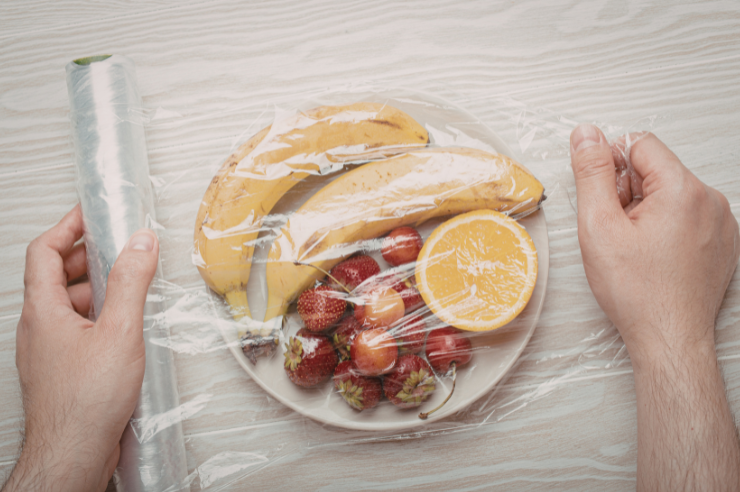
Why Food Wrapping Plastic Is Important
Food loses its freshness when air reaches it. Air carries moisture, germs, and smells. When you cover food properly, you create a small shield. This shield keeps out air and locks in the taste. That is why food wrapping plastic wrap is used by almost every home. It works for cooked meals, raw ingredients, bakery items, and even cut fruits.
You don’t need to be an expert to use it. You just wrap, seal, and store. But simple steps like this can save you money and reduce waste. You may wonder, do small things really make a difference? Yes, they do.
Tips to Keep Your Meals Fresh Using Food Wrapping Plastic
Here are simple and effective tips that anyone can follow. These tips are easy and feel natural in daily life.
1. Wrap Food Tightly
Loose wrapping lets air enter. When air enters, the food becomes dry or soggy. So always wrap the food tightly. Press the wrap gently to remove air pockets. This is one of the easiest tricks to keep food fresh longer.
If you wrap fruits or leftovers properly, you will see the difference the next day.
2. Cover All Edges Fully
Sometimes people cover only the top part and leave small gaps. But even a small gap can let in a lot of air. When you use the best food wrap, make sure the edges and corners are sealed. This keeps the food safe and protects its taste and texture.
3. Use Fresh Wrap Every Time
The old wrap loses its stretch. When the wrap becomes loose, it does not stick well. This can make your food spoil faster. So always use fresh wrap for better sealing. This simple habit helps your meals stay fresh and safe.
4. Wrap Cut Fruits Quickly
Cut fruits turn brown because they come into contact with the air. If you cover them with a food wrap right away, the exposure is less. You can wrap apples, bananas, watermelon slices, or berries. You can also wrap bowls of fruit when you are preparing snacks for your kids. This prevents moisture loss and keeps the colours bright.
5. Use a Double Layer for Strong Smells
Some foods like onions, fish, and cooked curries have strong smells. If you use one layer, the smell may spread inside your fridge. You can use two layers of food wrapping plastic to lock in the smell. This is also great if you carry food to work or school and don’t want the smell to leak.
6. Wrap Bread and Rotis Properly
Bread and rotis become dry when exposed to air. Wrapping them tightly keeps them soft. Many people use this trick when packing lunch. The wrap keeps the moisture inside and keeps the food warm for longer. It is a simple tip, but it makes a big difference in taste.
7. Cover Bowls and Plates
If you don’t want to move food into a container, you can cover the bowl itself. Just stretch the wrap over the edge. This is useful for salads, chopped vegetables, and leftovers. You save time, reduce dishes, and still keep the food fresh.
8. Use Food Wrapping Foil Australia for Long Storage
Sometimes you need to store food for longer. For this, Food Wrapping Foil Australia works well when combined with plastic wrap. First, wrap the food in plastic for a tight seal. Then add foil on top. This protects food from freezer burn.
This is great for:
- meat
- cooked meals
- cakes
- baked items
- frozen fruits
9. Avoid Wrapping Very Hot Food
If the food is too hot, let it cool for a few minutes. Hot food creates steam, and steam forms moisture. Moisture makes the food spoil faster. When food becomes warm instead of hot, wrap it gently. This small step keeps the texture good and prevents bacteria growth.
10. Use the Right Amount of Wrap
You don’t need too much wrapping. Just use enough to seal properly. Using too much can make the food look messy, and using too little may not protect it well. The right amount helps you save money and reduces plastic waste.
Common Mistakes People Make and How to Avoid Them
Many people use food wrap daily, but still face freshness problems. Here are some mistakes and easy fixes.
Mistake 1: Wrapping food loosely
Fix: Pull the wrap gently and stretch it to make it tight.
Mistake 2: Storing wrapped food in warm areas
Fix: Keep wrapped food in cool spots, like the fridge.
Mistake 3: Using wrap on oily surfaces
Fix: Clean the surface or use a new plate for better sticking.
Mistake 4: Not sealing the edges fully
Fix: Press the wrap on the edges for a tight grip.
Mistake 5: Wrapping food that is too wet
Fix: Dry the surface lightly before wrapping.
Conclusion
Keeping meals fresh at home does not need hard work. You just need simple habits and good products. Using food wrapping plastic the right way helps your meals stay tasty, soft, and safe for longer. It also helps you reduce waste and save money. When you follow small tips like tight wrapping, full coverage, and double layers for strong smells, you will see a big change in how your food looks and tastes.
If you want strong, safe, and easy-to-use wraps, Livingstone International offers some of the best food wrap options in Australia. Our quality wrap helps you store food the right way every day. It is simple, practical, and perfect for busy homes. Shop now!