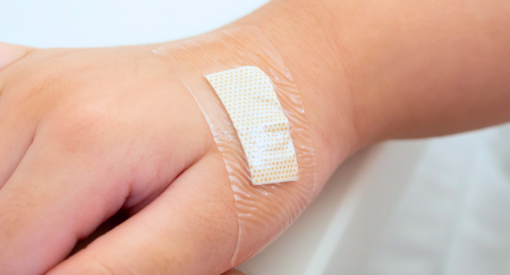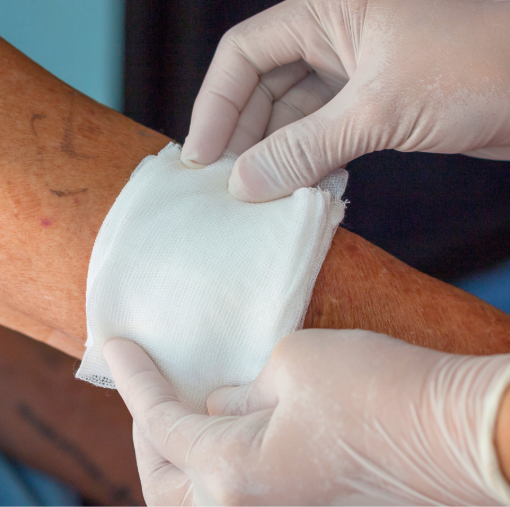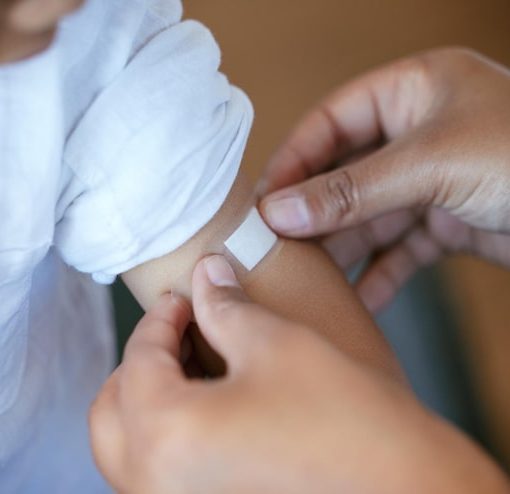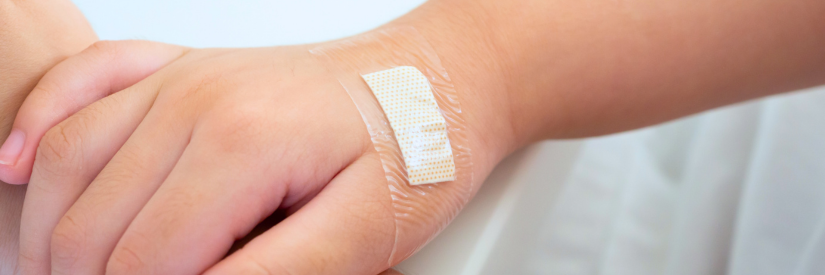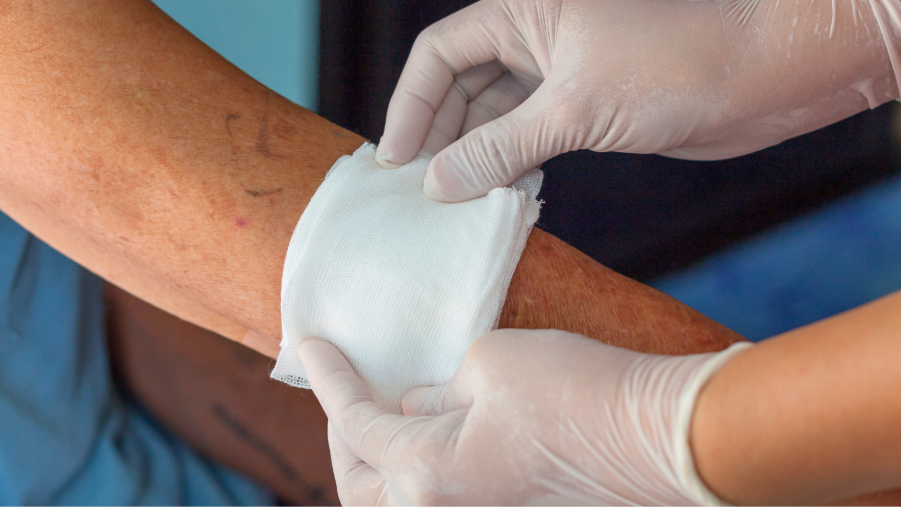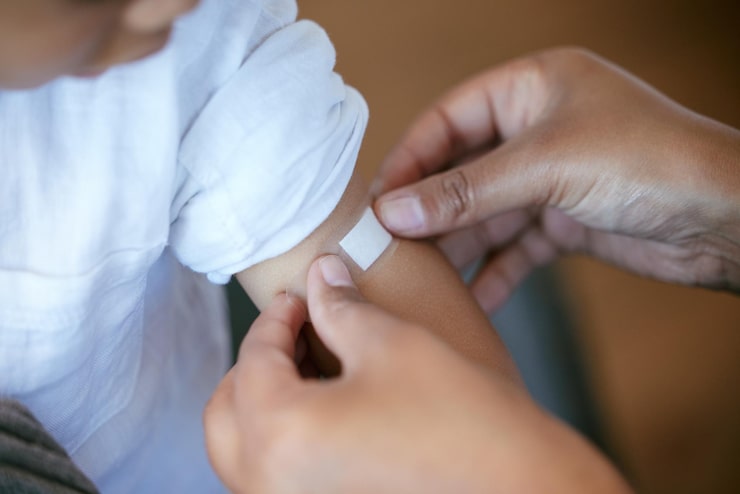
Wounds can happen anytime – a small cut while cooking, a scrape during sports, or a deeper injury that needs medical care. When this happens, the first thing you need is something clean and safe to cover the wound. That’s where Gauze Dressings become useful. These dressings help protect the wound from dirt, bacteria, and infection while supporting the natural healing process.
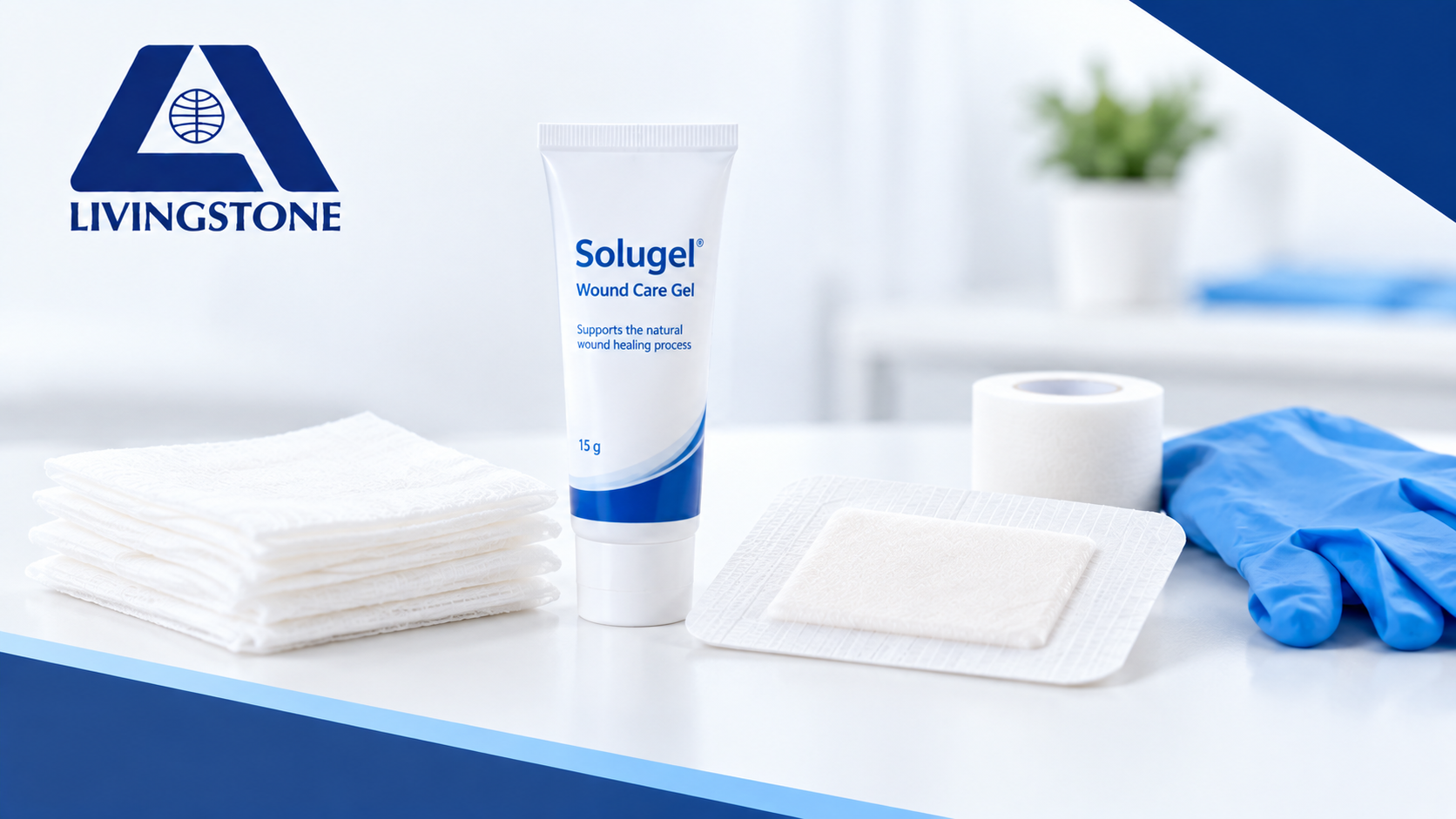
Today, many people and healthcare workers choose high-quality gauze from trusted brands like Livingstone International because they offer strong, soft, and reliable wound care solutions. Whether you are preparing a first aid kit at home or you manage a medical facility, having the right type of gauze wound dressing can make a big difference in comfort and healing.
Before choosing one, it’s helpful to understand the different types and how each one works.
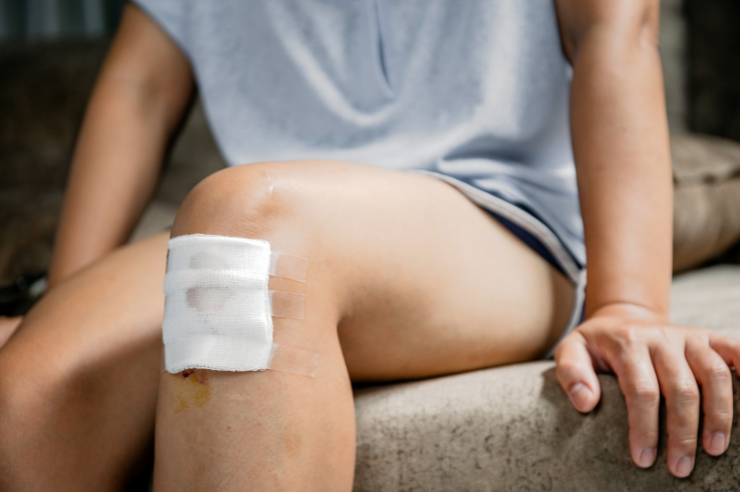
Why Gauze Dressings Matter in Wound Care
A gauze dressing is not just a piece of fabric. It is designed to protect wounds, control bleeding, and keep the area clean. A good Gauze wound dressing also helps absorb extra fluid from the wound and creates a safe environment for healing.
Types of Gauze Dressings and When to Use Them
Below are the most common types of Gauze Dressings and their uses explained in an easy way:
1. Standard Gauze Dressings
These are basic woven dressings used for general purposes. They are good for covering simple wounds, cuts, or scrapes.
Best Uses:
- Minor injuries and scratches
- Cleaning wounds before applying treatment
- Dressing multiple small wounds
Benefits:
- Soft and gentle
- Easy to use
- Suitable for first aid kits
2. Sterile Gauze Dressings
Sterile gauze is individually packed and safe to use on open wounds where infection risk is high.
Best Uses:
- Post-surgery wounds
- Deep cuts
- Burns or chronic wounds
Benefits:
- Hygienic
- Reduces the chance of infection
- Ideal for medical and home use
3. Non-Sterile Gauze Dressings
These are used mainly for general cleaning, padding, or protection—not directly on open wounds.
Best Uses:
- Cleaning the skin around wounds
- Padding under medical tape
- Removing antiseptics or ointments
Benefits:
- Affordable
- Useful for non-direct wound contact
- Great for first-aid preparation steps
4. Paraffin Gauze Dressings
Paraffin gauze dressings are coated with a soft paraffin layer. They are gentle and do not stick to wounds, making dressing removal less painful.
Best Uses:
- Burns and scald injuries
- Skin graft areas
- Sensitive wounds
- Chronic or slow-healing wounds
Benefits:
- Pain-free removal
- Keeps the wound moist
- Prevents damage to new skin
5. Non-Adherent Gauze Dressings
These gauze pads do not stick to the wound surface. They are perfect for delicate or healing wounds.
Best Uses:
- Post-surgery wounds
- Stitches
- Abrasions
Benefits:
- Easy and gentle removal
- Reduces irritation
- Supports healing
6. Gauze Rolls or Bandage Rolls
These come in long strips and help wrap wounds securely.
Best Uses:
- Large wounds
- Joints like elbows or knees
- Holding other dressings in place
Benefits:
- Stretchable and flexible
- Stays in place
- Suitable for active patients
7. Absorbent Gauze Dressings
These dressings are thicker and designed to absorb heavy wound fluids.
Best Uses:
- Post-operative wounds
- Deep open wounds
- Infected wounds with fluid discharge
Benefits:
- High absorption
- Keeps the wound dry and healthy
- Reduces risk of infection
How to Choose the Right Gauze Dressing
When selecting Wound Care Gauze Dressings, keep these simple points in mind:
- Size of the wound: Small wounds need small pads, larger ones need more coverage.
- Wound condition: Is it dry, wet, or sensitive?
- Comfort level: Soft, non-stick dressings are best for sensitive skin.
- Frequency of dressing change: Some require daily change, others can stay longer.
Tips to Use Gauze Safely
- Wash your hands before touching a wound
- Use gloves if available
- Apply antiseptic or ointment if needed
- Change the dressing if it becomes wet or dirty
- Check the wound for redness, swelling, or pain
Conclusion
The right type of gauze can make a big difference in how comfortably and quickly a wound heals. Whether you need paraffin gauze dressings, standard gauze, or non-adherent pads, choosing high-quality products ensures better care and safety. If you are looking for trusted gauze options with medical-grade quality, Livingstone International offers a wide range of reliable products suitable for homes, clinics, first aid kits, and hospitals. You can explore the collection on our website.