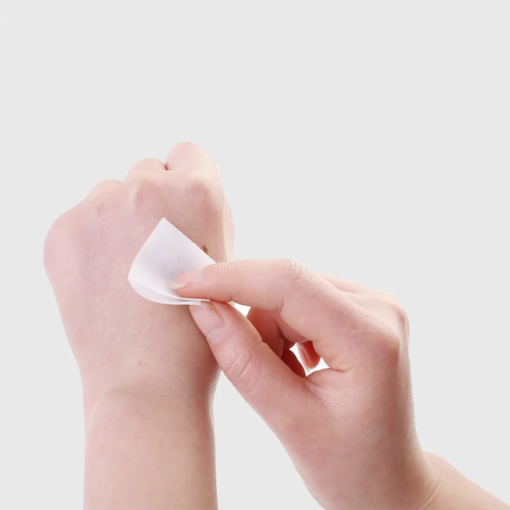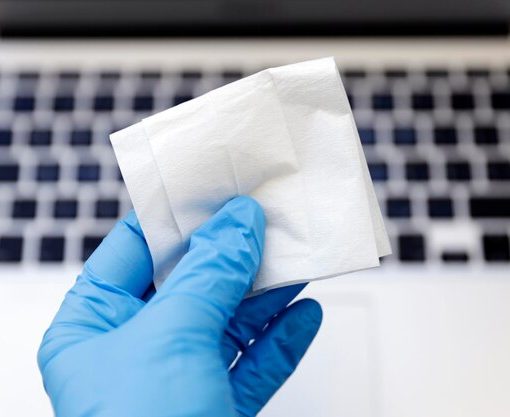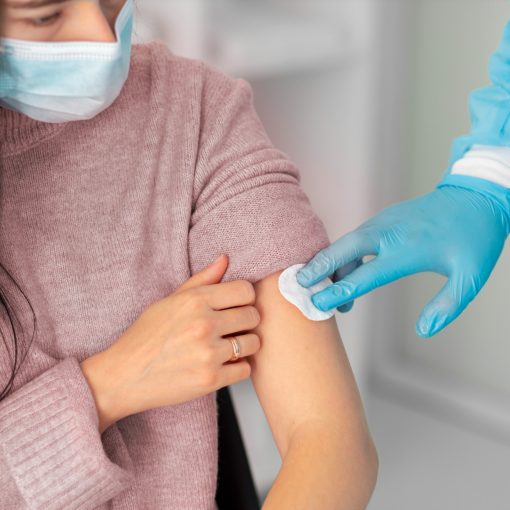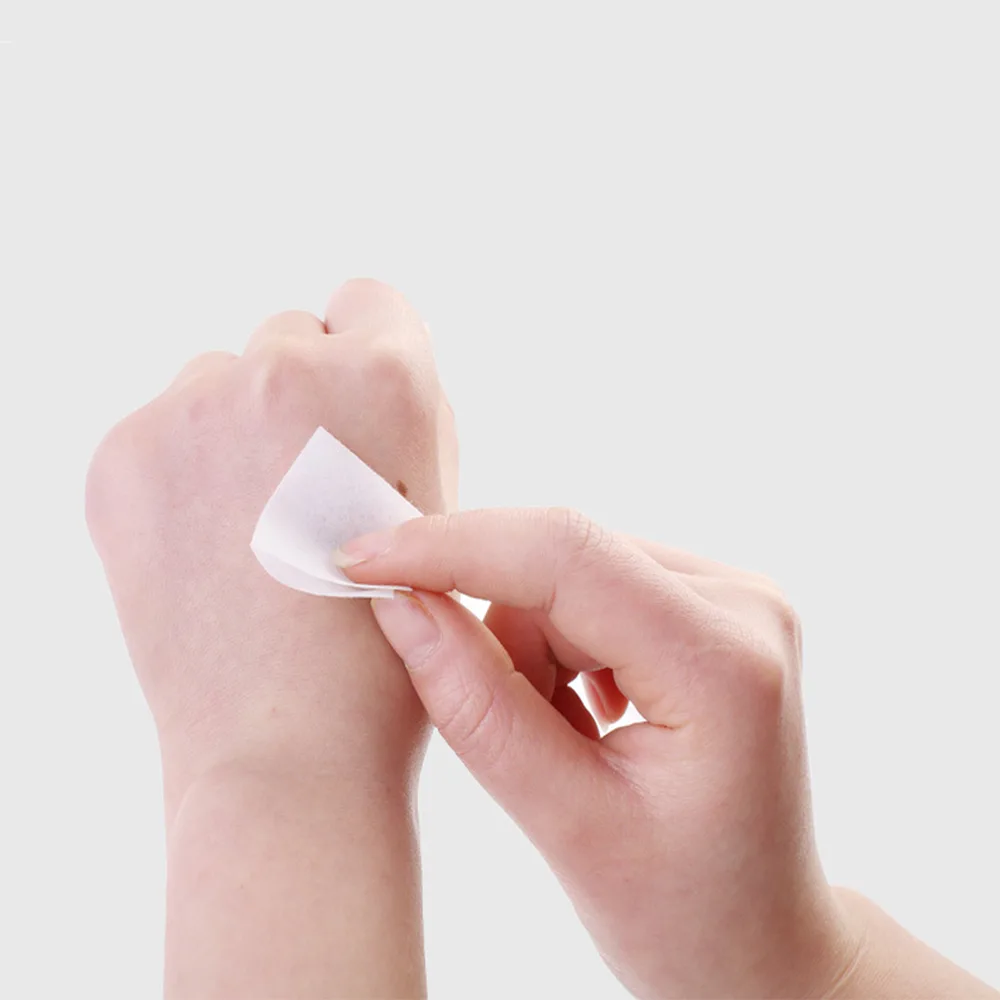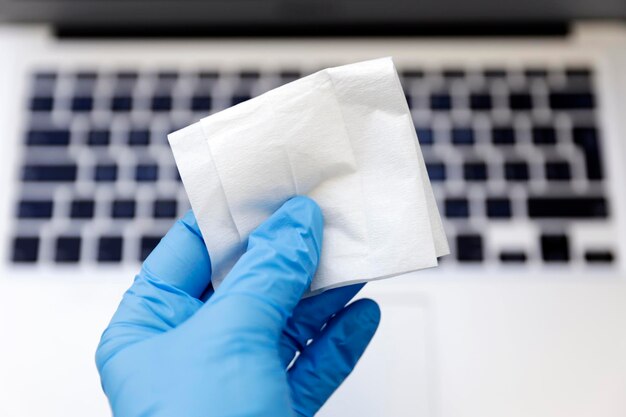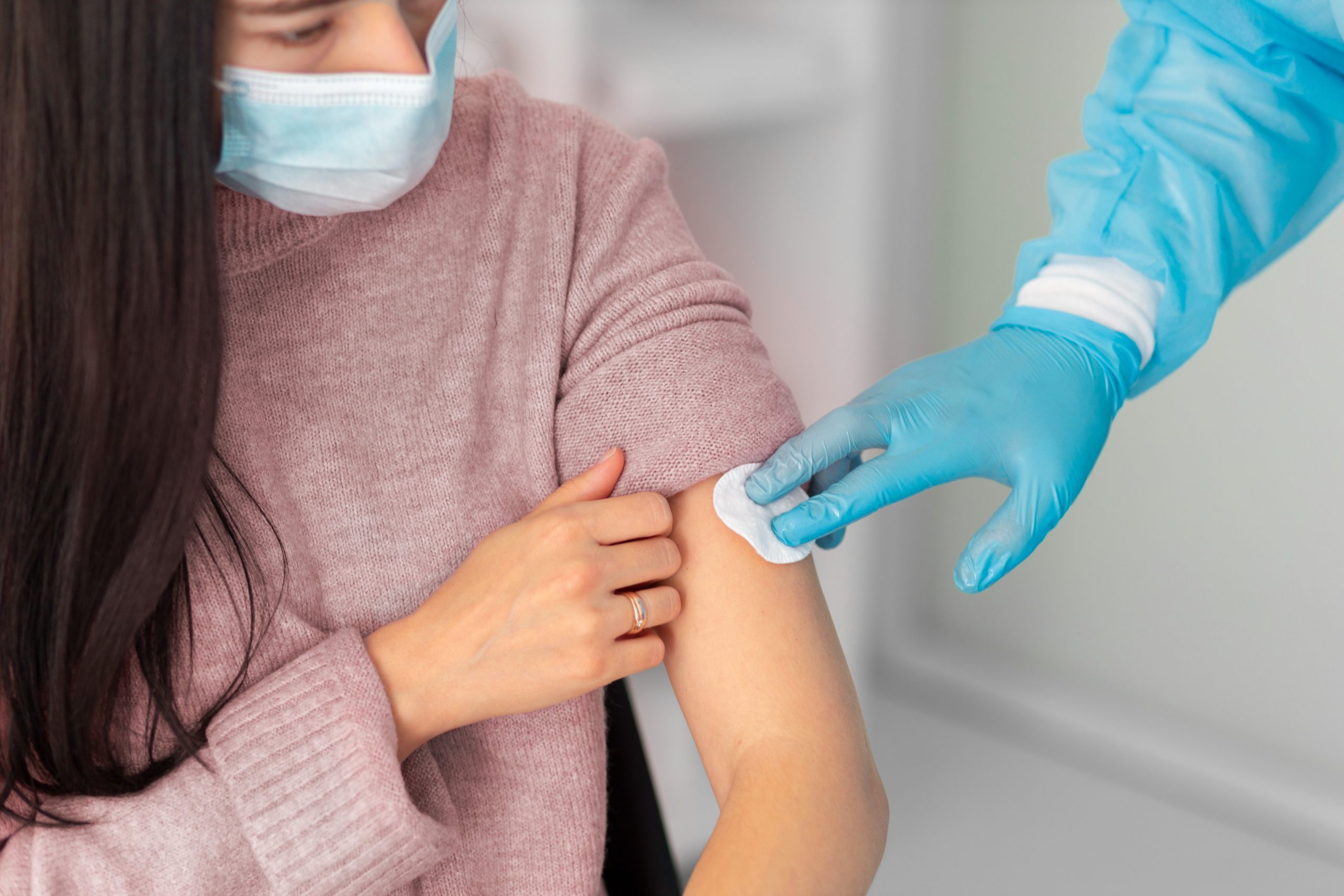
In today’s world, cleanliness isn’t just about appearance; it’s about protection. Whether you’re working in a medical facility, an office, or simply cleaning your home, using the best disinfectant wipes can make a real difference. Germs can spread quickly, and a few missed spots may put your health at risk. That’s where hospital disinfectant wipes come in.
These wipes are designed to eliminate harmful bacteria and viruses from different surfaces safely and quickly. Professionals trust them, but also easy enough for everyday use. Let’s explore how you can use them correctly for maximum protection and keep your environment clean and hygienic.

1. Understand What Hospital Disinfectant Wipes Are:
Before you start using them, it’s important to know what makes hospital wipes special. Unlike regular cleaning wipes, hospital-grade disinfectant wipes are designed to meet high safety and hygiene standards. They contain strong cleaning agents that kill a wide range of bacteria, viruses, and fungi within seconds.
They are often used in healthcare centres, but you can also use them at home, especially if you want a higher level of cleanliness in places like kitchens, bathrooms, or around your work desk.
2. Check the Label Before Use:
Every disinfectant wipe is slightly different. Some are suitable for surfaces like stainless steel, while others are made for plastic, glass, or vinyl. Before using any wipe, always read the label for directions and precautions.
The Liv-Wipe Hospital Grade wipes, for example, are pre-moistened and ready to use. They are TGA-approved and safe for use in both clinical and non-clinical environments. This means you don’t have to worry about measuring or mixing anything, simply open the pack and start cleaning.
3. Clean the Surface First:
One mistake many people make is using disinfectant wipes directly on dirty or dusty surfaces. Dust and debris can reduce the wipe’s ability to kill germs effectively. So, if a surface looks visibly dirty, give it a quick clean with a dry cloth or mild detergent first.
Once the surface is free from dust, use the hospital disinfectant wipe to disinfect it properly. This simple step makes a big difference in ensuring full protection.
4. Wipe in One Direction:
This might seem like a small thing, but how you wipe actually makes a difference. Don’t go back and forth, just wipe in one direction. This stops you from dragging germs from one spot to another. Take your time with smooth, steady strokes so the disinfectant covers everything properly.
If you’re working on a bigger area, grab a fresh wipe when the one you’re using gets dirty or starts to dry up. Sticking with the same wipe just moves germs around instead of getting rid of them.
5. Allow the Surface to Air Dry:
A lot of people wipe the surface dry right after cleaning, but that’s not a good idea. It cuts down on how well the disinfectant works. Just leave it alone and let it dry on its own. The surface needs to stay wet for a bit so the disinfectant can actually kill the germs.
Most hospital-grade wipes need a few minutes to do what they’re supposed to do, so just give them time. Try not to touch the area while it’s drying.
6. Focus on High-Touch Areas:
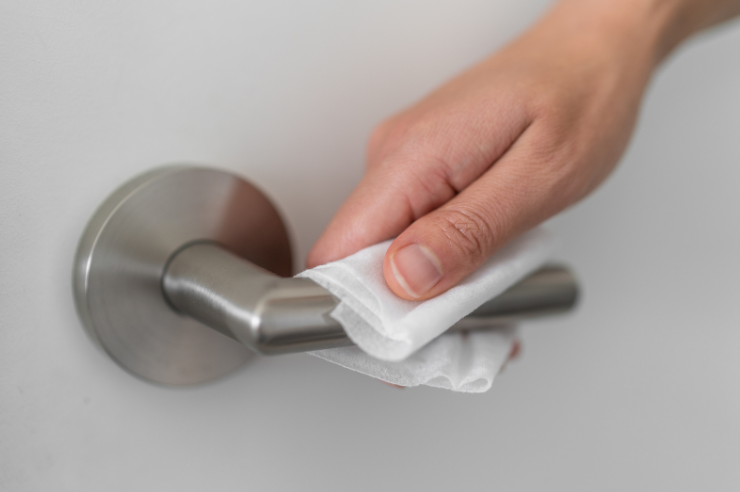
Think about how many times you touch light switches, doorknobs, phones, and remote controls each day. These are the spots where germs gather the most. Using Liv-Wipe Hospital Grade Australia disinfectant wipes on these surfaces daily can significantly reduce the spread of bacteria and viruses.
In workplaces or clinics, focus on shared items like keyboards, tables, and medical equipment handles. Regularly disinfecting these surfaces helps maintain a safer, healthier environment for everyone.
7. Store Your Wipes Properly:
Your disinfectant wipes can lose effectiveness if not stored correctly. Always close the lid or reseal the packet tightly after use to prevent them from drying out. Keep them away from direct sunlight or heat, as extreme temperatures can affect the disinfecting solution inside.
If you notice that your wipes have dried out, it’s better to replace them instead of adding water, doing so will dilute the formula and make them less effective.
8. Dispose of Used Wipes Correctly:
Used wipes shouldn’t go down the toilet; they can clog pipes and harm the environment. Instead, throw them in the general waste bin after use. If you’re cleaning medical areas or handling biohazard materials, make sure to follow the correct waste disposal procedure as per your local regulations.
Conclusion
Keeping your surroundings germ-free doesn’t have to be complicated. By using hospital disinfectant wipes the right way, you can maintain a cleaner, safer space for you and those around you. Products like Liv-Wipe Hospital Grade Australia wipes are a trusted choice for hospitals, clinics, and homes that care about hygiene and safety.
Explore more about these premium disinfectant wipes at Livingstone International, Australia’s reliable supplier of high-quality hygiene and medical products.