Anyone who’s worked in a busy dental clinic knows how quickly the day can fill up. One patient leaves, another arrives, and before you know it, every treatment room is in use. During those busy moments, the last thing anyone wants is to waste time searching for the right instrument.
Good organisation might seem like a small detail, but it can have a big impact on how smoothly a practice runs. When dental instruments are easy to find, properly stored and ready to use, appointments flow better and the whole team works more confidently.
At Livingstone International, dental professionals across Australia can find a wide range of quality medical instruments, medical diagnostic equipment and diagnostics products designed to support everyday clinical care. Choosing reliable equipment is important, but organising it well is just as valuable.
Let’s look at some practical ways to keep your dental instruments organised and your practice running more efficiently.
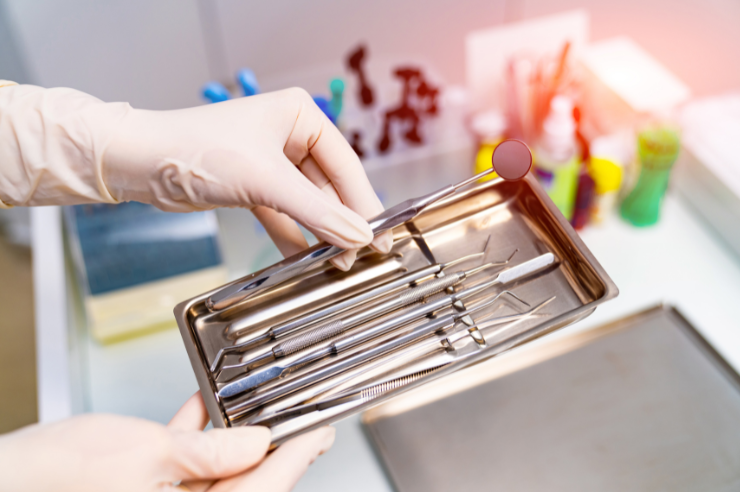
Why Organisation Matters More Than You Think
Most patients only see the treatment itself.
What they don’t see is everything happening behind the scenes.
Before each appointment, instruments need to be prepared, checked and placed where they’re easy to reach. After treatment, they need to be cleaned, sterilised and stored correctly before they’re ready to use again.
If this process isn’t organised, small delays can quickly build up throughout the day.
You may only spend a minute looking for an instrument, but if that happens several times during every appointment, it soon adds up.
A well-organised workspace helps everyone stay focused on patient care instead of searching through drawers.
Give Every Instrument Its Own Place
One of the easiest ways to stay organised is to make sure every instrument has a dedicated storage space.
When mirrors, probes, tweezers and scalers are always returned to the same location, everyone knows exactly where to find them.
This also makes it easier for new team members to settle into the practice.
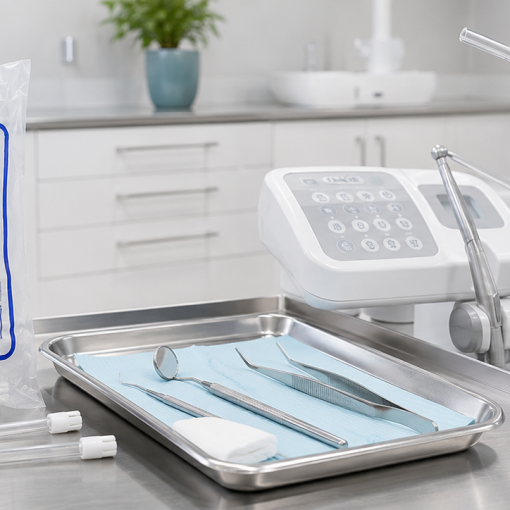
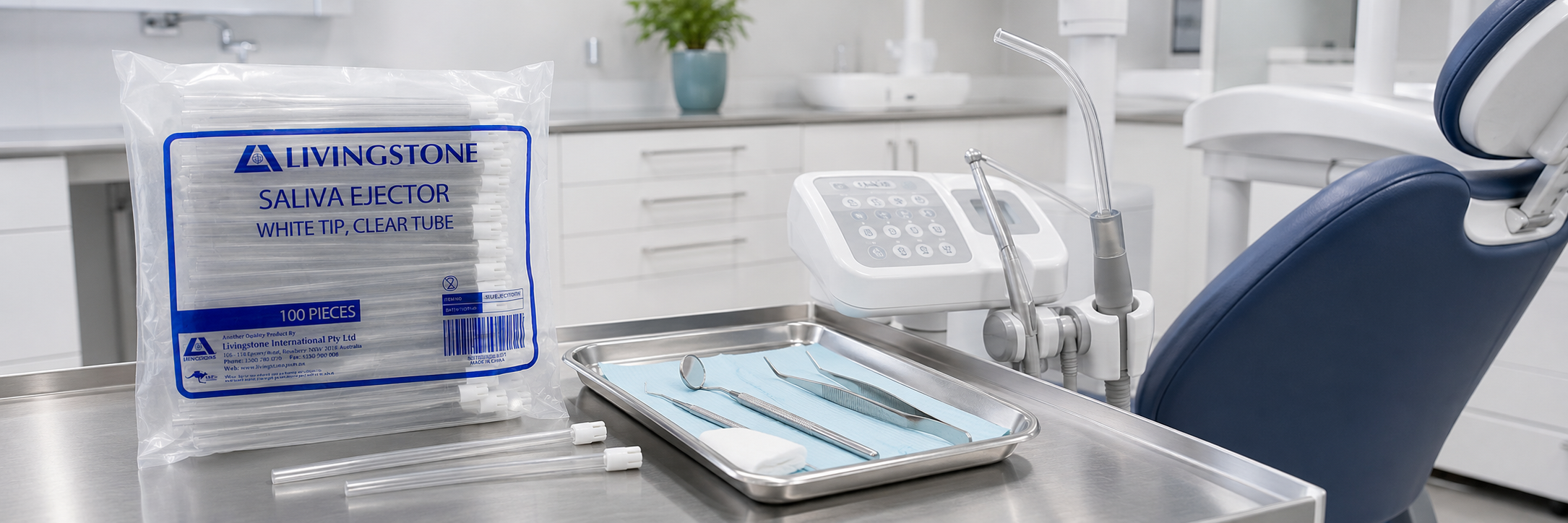
Many clinics use labelled trays or drawer organisers to separate different types of dental instruments. It’s a simple idea, but it saves time every day.
Organise Instruments by Procedure
Rather than storing everything together, try arranging instruments based on the treatments your clinic performs most often.
For example, keep examination instruments together, restorative instruments together and extraction instruments in another set.
When everything needed for a procedure is already grouped, preparing for the next patient becomes much quicker.
It also reduces the chance of forgetting an important item before treatment begins.
Keep Sterile and Used Instruments Separate
This might sound obvious, but during a busy day it’s easy for work areas to become crowded.
Creating clearly marked zones for clean, sterile and used instruments helps reduce confusion and supports infection control.
The Australian Dental Association recommends following strict cleaning, sterilisation and storage procedures to help reduce the risk of cross-contamination in dental practices.
Keeping these areas organised also makes it easier for staff responsible for instrument reprocessing.
Don’t Overfill Drawers and Cabinets
Many practices hold onto instruments they rarely use.
Over time, storage spaces become crowded, making it harder to find everyday essentials.
Every few months, take some time to review what’s actually being used.
If an instrument is no longer needed or has reached the end of its service life, consider replacing or removing it.
A tidy workspace isn’t just easier to manage. It also creates a calmer working environment for the whole team.
Make Daily Checks Part of the Routine
A quick check at the beginning or end of each day can prevent bigger problems later.
Look for missing instruments, damaged items or trays that need restocking.
These small checks only take a few minutes, but they can help avoid unnecessary delays during busy appointments.
The same approach works well for medical diagnostic equipment too. Keeping equipment clean, organised and ready to use helps support efficient patient care.
Store Sterile Instruments the Right Way
Once instruments have been cleaned and sterilised, it’s important to store them properly until they’re needed again.
Leaving sterile packs on crowded benches or in areas with unnecessary handling can increase the risk of damage or contamination.
Instead, keep them in clean, dry storage areas where they’re easy to identify and access.
It’s also worth checking the packaging before each procedure. If a sterile pouch is torn or damaged, the instrument should be reprocessed before use.
Good storage isn’t just about staying organised. It also helps maintain high standards of infection prevention.
Don’t Forget Your Diagnostic Equipment
Dental practices rely on much more than hand instruments.
Items such as examination lights, diagnostic mirrors, blood pressure monitors and other medical diagnostic equipment also need regular care and organisation.
If equipment isn’t stored properly or isn’t ready when it’s needed, appointments can quickly fall behind schedule.
Keep frequently used equipment in a consistent location and make sure staff know where everything belongs.
Regular cleaning and routine checks also help keep equipment working as expected.
The Australian Commission on Safety and Quality in Health Care highlights the importance of maintaining safe clinical equipment and following infection prevention practices across healthcare settings.
Make Restocking Easier
Have you ever opened a drawer expecting to find a particular instrument, only to realise it’s missing?
It’s frustrating and can interrupt the flow of treatment.
A simple stock checklist can make a big difference.
Many clinics review their dental instruments, disposable items and diagnostics products at the end of each day or week. This helps identify low stock before it becomes a problem.
You don’t need a complicated system. Even a basic checklist can help keep your practice running smoothly.
Create a Workspace That Supports Your Team
Every dental team works a little differently.
Some practices have several treatment rooms, while others operate from a single surgery.
The best organisation system is one that’s easy for everyone to follow.
Ask your team what works well and what slows them down. You might discover small changes that make daily tasks easier.
For example, moving commonly used medical instruments closer to the dental chair or reorganising storage drawers may save valuable time throughout the day.
When staff spend less time searching for equipment, they can spend more time focusing on patient care.
Final Thoughts
A well-organised dental practice doesn’t happen by chance. It’s built through simple routines, thoughtful storage and good preparation.
When dental instruments are easy to find and properly maintained, appointments run more smoothly, staff work more efficiently and patients enjoy a better experience.
You don’t need to redesign your entire clinic overnight. Even small improvements, like labelling drawers, organising treatment trays or reviewing stock regularly, can make a noticeable difference.
If you’re looking for reliable medical instruments, medical diagnostic equipment or other diagnostics products, Livingstone International offers a wide selection to support Australian dental and healthcare professionals. Combining quality equipment with smart organisation helps create a workplace that’s ready for whatever the day brings.
Frequently Asked Questions
1. How can a well-organised instrument setup improve the patient experience?
When dental instruments are organised and ready before each appointment, treatments can begin on time with fewer interruptions. Patients are likely to feel more confident when they see a clean, well-prepared treatment room and a dental team that works smoothly together.
2. What should dental clinics consider when replacing older medical instruments?
Before replacing medical instruments, check for signs of wear, corrosion or damage that could affect performance. It’s also worth reviewing whether newer designs or updated medical diagnostic equipment could improve efficiency and support better patient care.
3. How can dental practices prevent instruments from being misplaced during busy clinics?
Using labelled drawers, procedure-specific trays and a clear return system makes it much easier to keep track of dental instruments. Many practices also carry out quick end-of-day checks to ensure everything is accounted for before the next clinic.
4. Why is it important to buy dental instruments and diagnostic products from a trusted supplier?
Reliable suppliers provide consistent quality, dependable stock availability and products that meet professional healthcare standards. This helps clinics maintain smooth workflows and ensures their diagnostics products and instruments are ready when needed.
5. How often should dental clinics review their instrument inventory?
Rather than waiting until stock runs low, many practices review their dental instruments, medical instruments and other essential supplies every month. Regular inventory checks help identify missing, damaged or outdated items before they affect daily operations.