Choosing the right syringe is important because different syringe tips are designed for different tasks. A standard syringe may be suitable for many routine uses, but it may not always provide the connection or fluid flow needed for certain procedures.
This is where a syringe catheter tip can be useful. Its longer and tapered tip is designed to connect with suitable tubing or access points. It can also support the controlled delivery or removal of larger amounts of fluid.
Livingstone International supplies a range of medical consumables, including sterile catheter-tip syringes designed for practical healthcare needs. Understanding how these syringes differ from standard options can help you select a product that suits the intended procedure.
So, when should you use a catheter-tip syringe instead of a standard syringe? The answer depends on the type of connection, the amount of fluid involved, and the purpose of the procedure.
How Is a Catheter-Tip Syringe Different From a Standard Syringe?
The main difference is the shape and purpose of the tip.
Many standard syringes have a smaller tip designed to connect with a needle or other compatible device. These syringes are often used when accurate measurement or smaller fluid volumes are required.
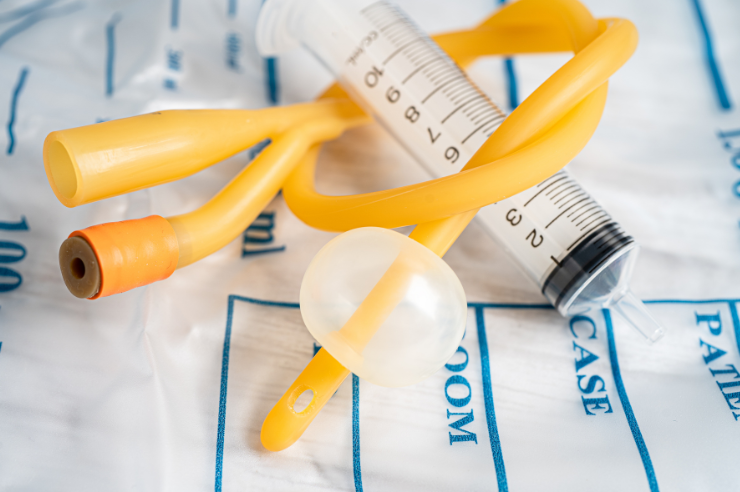
A syringe catheter tip has a longer and wider tapered end. This design may provide a better fit with certain types of tubing. It can also allow fluid to pass through more easily.
The larger tip makes catheter-tip syringes suitable for tasks where a standard syringe may be too narrow or may not connect properly.
However, a catheter-tip syringe is not automatically the better choice. The correct syringe depends on the procedure. You should always use the type recommended by your workplace guidelines, product instructions, or healthcare professional.
When Is a Catheter-Tip Syringe a Suitable Choice?
A catheter-tip syringe may be suitable when you need to work with larger volumes of fluid or connect the syringe to compatible tubing.
Common uses may include:
- Irrigating suitable wounds when directed
- Flushing compatible medical tubing
- Delivering or removing fluids through suitable connections
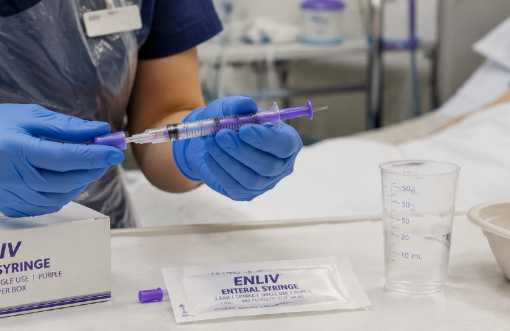
- Supporting some enteral feeding procedures
- Transferring larger amounts of fluid
The wider tip can support a steady flow of fluid. This may be useful when a narrow standard tip is not suitable for the required connection.
The procedure should always guide your choice. For example, a syringe used for wound irrigation may need a different size or tip from one used for another healthcare task.
What Is a Catheter-Tip Syringe Used For?
If you are asking, “What is a catheter-tip syringe used for?”, the answer depends on the healthcare setting and the procedure.
One common use is irrigation. A catheter-tip syringe may be used to direct a suitable fluid through a compatible connection. The wider tip can support fluid movement and may make the process easier to control.
These syringes may also be used with compatible tubing when a secure connection is required. However, not all tubing is suitable for every catheter-tip syringe. You should check compatibility before use.
Some catheter-tip syringes are also used for fluid transfer. A larger-capacity syringe can hold more fluid and may reduce the need for repeated filling.
A catheter-tip syringe should only be used for its intended purpose and according to relevant clinical guidance.
When Might a Standard Syringe Be More Suitable?
A standard syringe may be the better option when the procedure requires a smaller tip, a needle connection, or a lower fluid volume.
For example, a standard syringe may be used when:
- A needle needs to be attached
- A small and measured amount of fluid is required
- The procedure needs a specific Luer connection
- A narrow tip is more suitable for the equipment being used
Using a larger catheter-tip syringe for a task that requires a smaller syringe may make the procedure less practical. It may also provide less control over small fluid volumes.
This is why it is important to consider the purpose before choosing a syringe. The size and tip should match the procedure rather than simply choosing the largest available option.
Why Choose a Sterile Catheter-Tip Syringe?
A sterile catheter-tip syringe is supplied in packaging designed to maintain the product’s sterile condition before use. This can be important when the syringe is used in procedures that require sterile equipment.
Before use, check that the packaging is sealed and undamaged. Do not use the syringe if the package is open, torn, or wet.
Good hand hygiene and correct handling are also important. Sterility can be affected if the syringe is touched or placed on an unclean surface before use.
The Australian Government provides information about medical devices and their role in healthcare. You can refer to the Australian Government’s medical device information to learn more about the safety and regulation of medical products.
What Are the Benefits of a Catheter-Tip Syringe With a Cap?
A catheter-tip syringe with cap includes a protective cap over the tip. The cap can help keep the tip covered before use and may reduce contact with other surfaces during handling.
The cap should remain in place until you are ready to use the syringe. You should avoid touching the tip after removing the cap, especially when sterile handling is required.
The cap does not replace proper storage or handling. Always follow the product instructions and your workplace procedures.
A capped syringe may also be easier to store and prepare before a procedure. However, the syringe should still be checked before use to ensure that the packaging and product remain in suitable condition.
How Do You Choose the Right Catheter-Tip Syringe?
Start by considering the procedure. Ask whether you need a wider tip, a larger fluid capacity, or a connection with compatible tubing.
You should also check:
- The syringe capacity
- The type and shape of the tip
- Whether the syringe is sterile
- Whether a protective cap is included
- Compatibility with the required equipment
- The product’s intended use
A 60 mL catheter-tip syringe may be useful when a larger amount of fluid is needed. However, a smaller syringe may be more suitable for procedures that require careful measurement.
If you are unsure, speak with a qualified healthcare professional or follow your organisation’s clinical guidelines.
Conclusion
A catheter-tip syringe can be a useful choice when a procedure involves larger fluid volumes, suitable tubing, or irrigation. Its wider and tapered tip makes it different from a standard syringe and may provide a more suitable connection for specific tasks.
However, the right syringe depends on the procedure. A standard syringe may be more appropriate when a needle, a smaller tip, or a lower fluid volume is required.
You should always check the product details, follow relevant guidelines, and use the syringe only for its intended purpose.
Livingstone International offers reliable medical consumables, including sterile catheter-tip syringes with practical features for healthcare settings. Choosing the right syringe can help support safe, efficient, and well-prepared procedures.
Frequently Asked Questions
1. Can a catheter-tip syringe be used for injections?
A catheter-tip syringe is generally designed for fluid transfer, irrigation, or use with compatible tubing. It is not usually selected for routine injections that require a needle connection.
2. Why is the tip wider than a standard syringe tip?
The wider, tapered tip can support fluid flow and help the syringe connect with suitable tubing. This design may be useful when a standard narrow tip is unsuitable.
3. Can I use any tubing with a catheter-tip syringe?
No. Tubing connections can vary. Always check that the tubing and syringe are compatible before use, and follow the relevant product instructions or clinical guidance.
4. Is a 60 mL catheter-tip syringe suitable for every procedure?
No. A 60 mL syringe is useful for larger fluid volumes, but smaller syringes may provide better control when you need to measure or deliver small amounts.
5. Why is a cap included with some catheter-tip syringes?
The cap covers the syringe tip before use and helps protect it from contact with surrounding surfaces. It should remain in place until the syringe is required.
6. How should a sterile catheter-tip syringe be handled?
Check that the packaging is sealed and undamaged. Follow proper hand hygiene, open the pack carefully, avoid touching the tip, and use the syringe according to clinical guidance.