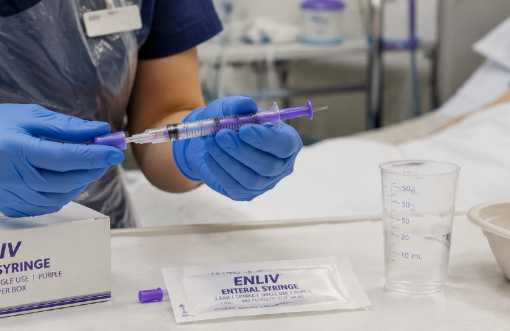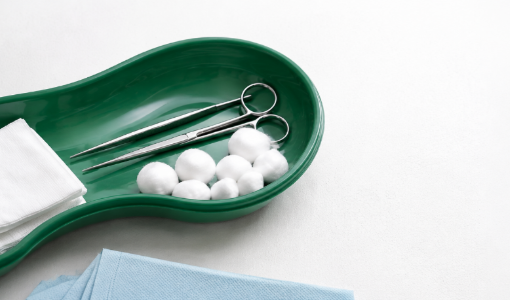
Long before the first incision is made, careful preparation is already underway. The treatment room is prepared, sterile instruments are checked, the correct patient and procedure are confirmed, and the clinical team ensures everything needed is within easy reach. These preparation steps help create an environment where procedures can be performed efficiently, safely and with confidence.
Among the instruments on a procedure tray, the scalpel is one of the simplest, yet one of the most important. Although it may only be used for a short period, selecting the right instrument contributes to procedural readiness, infection prevention and smooth clinical workflows. For healthcare professionals performing minor surgical procedures, wound management or clinical interventions, choosing a sterile, ready-to-use instrument can help minimise unnecessary preparation before treatment begins.
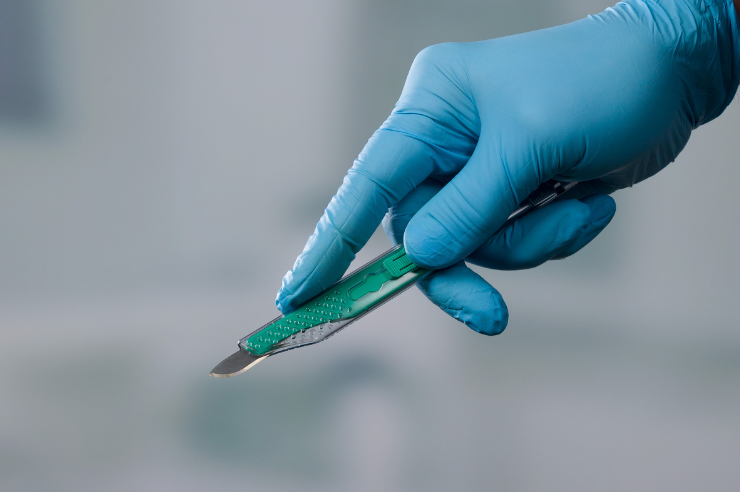
The disposable scalpel stainless steel sterile combines a precision stainless steel blade with an integrated handle in one sterile, single-use instrument. With no blade assembly required, clinicians can prepare more efficiently while maintaining established infection prevention and sharps safety procedures.
Step 1: Preparing the procedure tray
A well-prepared procedure tray does more than organise instruments. It supports efficient workflows, helps reduce unnecessary interruptions and ensures essential equipment is available when required.
Before opening any sterile instrument, healthcare professionals typically confirm:
- The correct patient, procedure and treatment site
- Sterile packaging remains intact
- Required instruments and consumables are available
- Sharps container placement
- Appropriate lighting and workspace preparation
Completing these checks before a procedure begins allows clinicians to focus on patient care rather than searching for missing equipment once treatment has started.
For healthcare organisations looking to streamline procedure preparation, the Livingstone Disposable Scalpel with Stainless Steel Blade provides a convenient sterile instrument ready for immediate use. You can also explore the Surgical Supplies Collection for complementary consumables and procedure essentials used across hospitals, medical centres and day surgeries.
Step 2: Why does the right scalpel matter?
Every clinical procedure has different requirements, making instrument selection an important part of procedural planning.
The surgical scalpel blade size 10 with handle is commonly selected for procedures requiring smooth, controlled incisions using its curved cutting edge. Because the blade is already attached to the handle before sterilisation, clinicians can remove the instrument directly from its packaging without assembling separate components.
This integrated design not only simplifies preparation but also removes one handling step that would otherwise be required when fitting detachable blades to reusable handles.
While the instrument itself is straightforward, selecting the appropriate blade should always reflect the planned procedure, organisational protocols and the clinician’s training and scope of practice.
Step 3: Precision depends on preparation, not just technique
Clinical skill is essential, but even experienced practitioners rely on careful preparation before beginning any procedure.
Establishing a sterile field, confirming equipment, organising instruments and positioning sharps containers all contribute to a safer working environment. These practical measures help reduce unnecessary movement during procedures and support smoother workflow from beginning to end.
The Australian Commission on Safety and Quality in Health Care highlights the importance of confirming the correct patient, procedure and treatment site before commencing treatment. These safety processes work alongside appropriate instrument selection and aseptic technique to support quality patient care.
Professional Tip
Position an approved sharps container within arm’s reach before opening any sterile scalpel. Immediate disposal after use reduces unnecessary handling and supports safer sharps management throughout the procedure.
Step 4: Safety continues after the procedure
Once a procedure is complete, attention shifts from treatment to safe instrument handling. Although the scalpel may no longer be in use, it remains a sharps hazard until it has been disposed of correctly.
Best practice involves placing the used scalpel directly into an approved sharps container immediately after the procedure. It should never be left on an instrument tray, passed unnecessarily between team members or placed in general waste. Safe sharps disposal helps reduce the risk of needlestick and sharps injuries while supporting workplace safety protocols.
Healthcare organisations should also ensure staff are familiar with incident reporting procedures and appropriate first aid measures should a sharps injury occur. Regular education and adherence to workplace policies help reinforce safe handling practices and maintain a culture of safety.
Step 5: Building smarter procedure rooms
Efficient procedure rooms rely on more than skilled clinicians. They also depend on thoughtful organisation, consistent stock management and equipment that is ready when needed.
Keeping commonly used sterile consumables together can help reduce preparation time and minimise interruptions during treatment. Many healthcare facilities organise procedure trays with frequently used instruments in standard layouts, making it easier for clinicians and support staff to locate equipment quickly.
Maintaining adequate stock levels, protecting sterile packaging from damage and rotating inventory using a first-expiry, first-out approach all contribute to efficient day-to-day operations.
Whether equipping a general practice, day surgery, wound care clinic or podiatry room, having access to a reliable range of sterile consumables supports consistent clinical workflows.
Professional Tip
Store sterile scalpels in a clean, dry environment and inspect every pack before use. Torn, wet or damaged packaging may compromise sterility and should never be used during patient procedures.
Step 6: What should healthcare organisations consider when selecting disposable scalpels?
Choosing disposable scalpels involves more than selecting the correct blade size. Procurement teams should consider how well the product supports clinical efficiency, staff safety and inventory management across the organisation.
When evaluating disposable scalpels, consider:
- Sterile, ready-to-use packaging
- Stainless steel blade quality
- Secure blade attachment
- Comfortable handle design
- Consistent product availability
- Ease of stock rotation and storage
- Compatibility with existing procedure packs
- Compliance with organisational purchasing requirements
For healthcare providers managing multiple treatment rooms or clinical services, standardising commonly used instruments can simplify staff training, streamline ordering and improve inventory control.
Working with a professional disposable scalpels supplier Australia also helps ensure consistent product quality and dependable supply, supporting healthcare teams as they maintain procedural readiness across busy clinical environments.
Every Safe Procedure Begins with Good Preparation
Successful clinical procedures are rarely the result of a single instrument or individual action. They begin with careful planning, thoughtful preparation and a commitment to safe clinical practice from start to finish.
A sterile disposable scalpel may only be used once, but its role extends far beyond making an incision. By providing a ready-to-use instrument that eliminates blade assembly, it helps simplify preparation, reduce unnecessary handling and support efficient workflows throughout the procedure.
Combined with correct patient identification, aseptic technique, safe sharps disposal and effective stock management, quality disposable scalpels contribute to safer treatment environments and greater confidence for healthcare professionals. Every well-prepared procedure room reflects the same principle: when preparation is done well, clinicians can focus on what matters most, delivering safe, effective patient care.
References
Australian Commission on Safety and Quality in Health Care 2026, Ensuring Correct Patient, Correct Site, Correct Procedure Protocol, Australian Commission on Safety and Quality in Health Care, viewed 26 June 2026,
https://www.safetyandquality.gov.au/our-work/communicating-safety/patient-identification/patient-procedure-matching-protocols/ensuring-correct-patient-correct-site-correct-procedure-protocol.
Australian Commission on Safety and Quality in Health Care 2026, Surgical Safety Checklist, Australian Commission on Safety and Quality in Health Care, viewed 26 June 2026,
https://www.safetyandquality.gov.au/our-work/communicating-safety/patient-identification/patient-procedure-matching-protocols/surgical-safety-checklist.
Australian Government Department of Health, Disability and Ageing 2026, Infection Prevention and Control Expert Group Endorsed Resources, Australian Government, viewed 26 June 2026,
https://www.health.gov.au/resources/collections/iceg-endorsed-resources-for-infection-prevention-and-control.