Breathing should feel easy. But when you rely on an oxygen cannula, even a small issue can make you feel uncomfortable or unsure. You might wonder, “Is my oxygen really working?” That question is more common than you think.
If you or someone in your family uses oxygen at home, it’s important to know the signs of a properly working setup. The good news? You don’t need medical training to understand the basics.
Trusted suppliers like Livingstone International provide quality products that are made for comfort and proper oxygen flow. Let’s break it down in a simple way so you feel confident every day.
What Does an Oxygen Cannula Do?
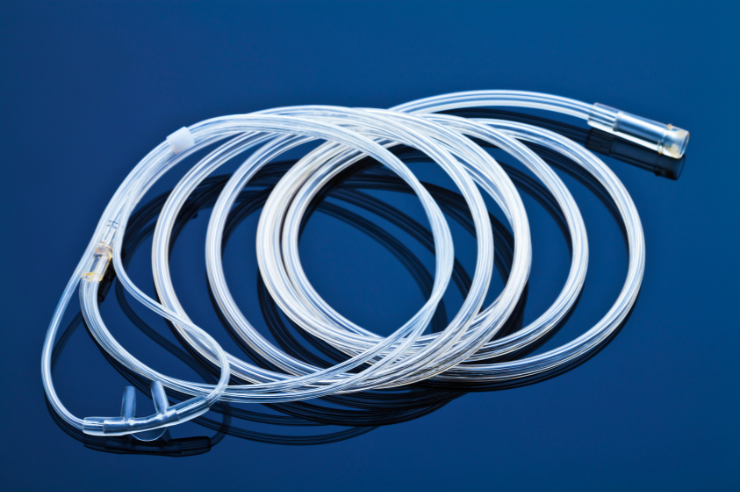
An oxygen cannula is a small tube that delivers oxygen directly into your nose. It helps when your body needs more oxygen than normal air can provide.
It may look simple, but it plays a big role in your comfort and health.
You may use:
- A twin nasal oxygen cannula for steady flow
- Soft-tip options for comfort
- Different oxygen tubing lengths based on your need
But how do you know it’s doing its job properly?
1. You Feel Comfortable While Breathing
The first sign is simple.
You feel okay.
You are not struggling to breathe. You don’t feel tightness in your chest. Your breathing feels steady.
Ask yourself:
- Do you feel relaxed?
- Is your breathing smooth?
If yes, your nasal cannula oxygen delivery is likely working fine.
If you feel breathless even while using it, something may be wrong.
2. The Oxygen Is Flowing Properly
You may not always see oxygen, but you can check the flow.
Most oxygen machines have a flow meter. It shows the level your doctor has set.
Check this:
- Is the flow number correct?
- Is the machine turned on?
Sometimes, the issue is as simple as the machine being off or set too low.
3. The Tubing Is Not Blocked or Bent
Your oxygen tubing should be clear and open.
If it is twisted, bent, or blocked, oxygen may not reach you properly.
Take a quick look:
- Is the tube straight?
- Any sharp bends?
- Any dirt or moisture inside?
Even a small bend can reduce the flow.
This also applies if you are using oxygen extension tubing. Longer tubes need extra care.
4. The Cannula Fits You Well
Fit matters more than you think.
A loose cannula may not deliver oxygen properly. A very tight one can feel uncomfortable.
You should feel:
- A gentle fit in your nose
- No pain or pressure
- No slipping
If you are using a comfortable nasal cannula, you should hardly notice it after some time. For babies, an oxygen cannula infant soft tip is used. It is softer and made for delicate skin. You can also read simple health advice from World Health Organization to understand safe oxygen use.
5. You Don’t Hear Any Leaks
Oxygen should flow quietly.
If you hear a hissing sound, there could be a leak.
Check:
- Connections between the tubing and machine
- The cannula ends
Loose connections can stop oxygen from reaching you properly.
6. Your Lips and Fingertips Look Normal
This is an easy visual check. If your oxygen level is low, your lips or fingertips may turn slightly blue. If everything looks normal, that’s a good sign.Still, if you notice any colour change, don’t ignore it.
7. You Are Not Feeling Dizzy or Tired
Low oxygen can make you feel:
- Dizzy
- Tired
- Confused
If your oxygen cannula is working well, you should feel more stable. If you suddenly feel weak or lightheaded, check your setup right away.
8. The Machine Is Working Fine
Your cannula depends on your oxygen machine.
Check the basics:
- Is it making normal sound?
- Is it plugged in?
- Any warning lights?
Even if your cannula is perfect, a faulty machine can stop oxygen flow.
9. The Cannula Is Clean
A dirty cannula can block airflow.
Dust or moisture can build up inside the tube.
Make it a habit:
- Clean or replace your cannula regularly
- Keep it dry
Fresh and clean cannulas for oxygen machine work better and feel more comfortable.
10. You Follow the Right Flow Rate
Your doctor sets your oxygen level for a reason. If you change it on your own, it may not work properly. Always stick to the recommended setting.
Too low = not enough oxygen
Too high = may cause discomfort
If you are unsure, ask your doctor.
11. You Can Move Around Easily
A working setup should not limit your movement too much. If your tubing is too short or tangled, it may pull or disconnect. Using proper oxygen extension tubing can help you move freely at home. Comfort and ease matter in daily life.
12. You Feel Better Over Time
This is the biggest sign.
If your oxygen therapy is working, you should feel better over time.
Maybe:
- Less breathless
- More energy
- Better sleep
If you don’t feel any improvement, your setup may need checking.
Simple Daily Checks You Can Do
You don’t need to do anything complex.
Just take a minute and check:
- Is your machine on?
- Is the tubing straight?
- Is your cannula clean?
- Are you feeling okay?
These small checks can save you from bigger problems.
When Should You Ask for Help?
Sometimes, you may still feel unsure.
Call your doctor if:
- You feel breathless suddenly
- Your oxygen machine is not working
- Your cannula feels uncomfortable all the time
- You notice unusual symptoms
It’s always better to ask than ignore.
Conclusion
Using an oxygen cannula should not feel confusing.
Once you know what to check, it becomes part of your daily routine. Just focus on comfort, proper flow, and clean equipment.
If you are planning to buy or replace your cannula, always go for quality. Livingstone International offers reliable and comfortable options like twin nasal oxygen cannula and soft-tip designs that are easy to use every day.
When your equipment works well, you feel better. And that’s what really matters — easy breathing and peace of mind.
Faqs
1. How do you know if your oxygen cannula is not working?
You may feel short of breath or uncomfortable. You might feel dizzy or tired. Sometimes, your lips can look slightly blue. Also check if your oxygen tubing is bent or blocked. These are common signs something is not right.
2. How often should you change your oxygen cannula?
Most people change their oxygen cannula every 1 to 2 weeks. But it also depends on how often you use it. If it looks dirty or feels uncomfortable, you should replace it sooner.
3. Can a blocked tube affect oxygen flow?
Yes, it can. If your oxygen tubing or oxygen extension tubing is bent, twisted, or blocked, the oxygen will not flow properly. Always keep the tube straight and clean.
4. Is it normal to feel air from the cannula?
Yes, you may feel a light flow of air in your nose. That means your nasal cannula oxygen delivery is working. If you don’t feel anything and also feel breathless, you should check your setup.
5. What is the most comfortable type of oxygen cannula?
A comfortable nasal cannula with soft tips is best for daily use. For babies, an oxygen cannula infant soft tip is used because it is gentle on the skin. Always choose a design that feels easy and does not irritate your nose.