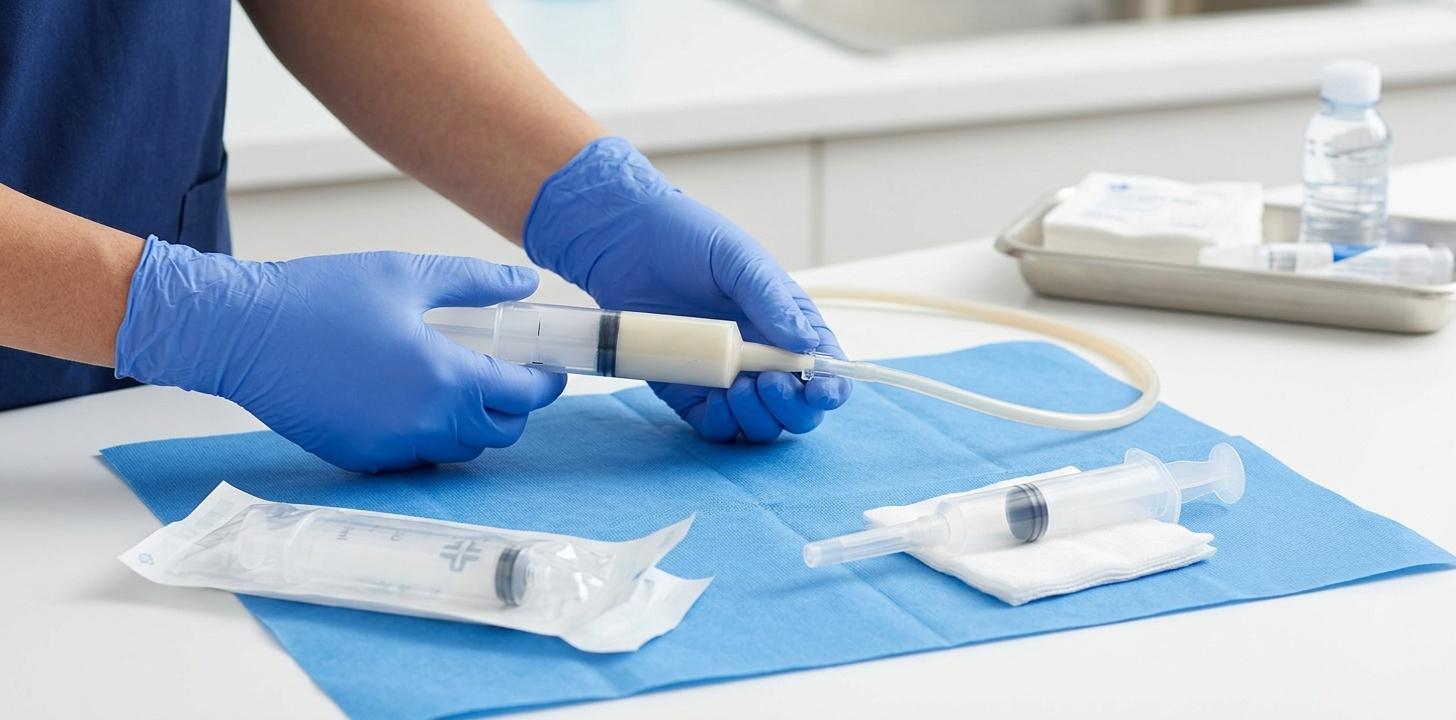
Medical consumables are the backbone of safe and effective healthcare – from syringes and gloves to sterile dressings and IV sets that protect patients and staff each day. These single‑use items help reduce infection risks and support hygiene in hospitals and clinics.
The Australian medical supplies market, driven by rising healthcare demand and chronic disease care, is valued at around USD 7.4 billion in 2024 – showing strong growth and increased focus on reliable consumables across health facilities.
Our partner, Livingstone International, has supplied trusted medical consumables since 1984, offering over 65,000 products that meet high quality standards and support safe patient care nationwide.
Now, let’s explore the essential medical consumables every healthcare facility needs.

Types of Medical Consumables
Medical consumables are items used every day in hospitals and clinics, such as syringes, gloves, and gauze. They are mostly single-use and help keep patients safe and maintain hygiene.
1. Wound Care Supplies
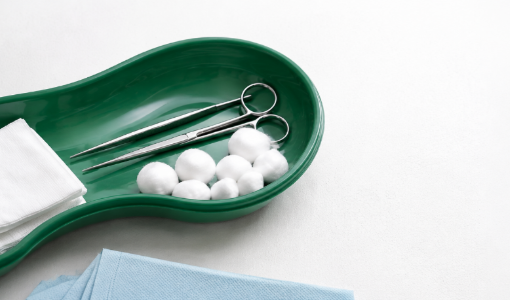
Gauze, dressings, and bandages protect cuts, burns, and surgical wounds. They stop germs from spreading, help wounds heal faster, and are essential in every hospital and clinic.
2. Syringes and Needles
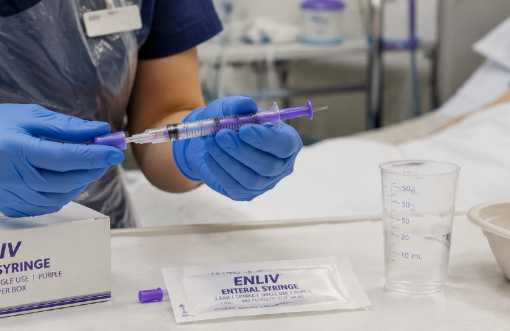
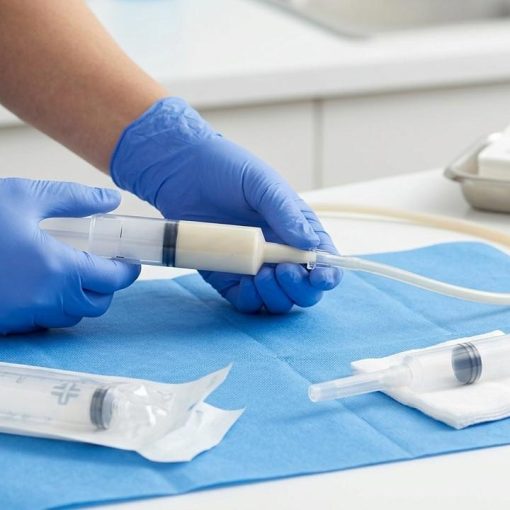
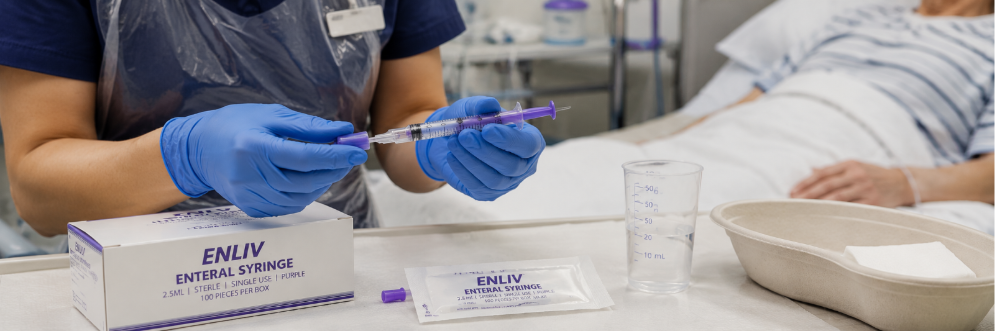
Syringes and needles are used to give medicine, vaccines, or take blood samples. They are usually single-use to prevent infections and make treatments safe for all patients.
3. IV Sets and Infusion Devices
IV sets and infusion devices deliver fluids, medicines, or nutrients directly into a patient’s bloodstream. Using disposable IV sets ensures treatments are safe and reduces the risk of infections.
4. Catheters and Incontinence Aids
Catheters and incontinence aids help patients who cannot control urination or need bladder support. They improve hygiene, comfort, and safety in hospitals or home care.
5. Respiratory Devices
Respiratory devices, such as oxygen masks and nebulizers, help patients breathe properly. Many have disposable parts to prevent germs and are important in hospitals, clinics, and emergency care.
6. Sterilisation Pouches and Infection Control Products
Sterilisation pouches and infection control products keep medical tools clean and safe. They prevent germs from spreading and protect both patients and staff in hospitals and labs.
7. Rehabilitation and Therapy Supplies
Rehabilitation and therapy supplies, like exercise bands and mobility aids, help patients regain strength, movement, and independence after injuries or surgeries safely and effectively.
Infection Control & Compliance Standards
Following proper infection control and compliance standards ensures patient safety and hygiene. Using the right consumables, following hand hygiene, and adhering to approved guidelines helps prevent infections in healthcare facilities.
1. WHO Hand Hygiene Guidelines
Always use alcohol-based hand rub, disposable gloves, and single-use towels at every point of care. These measures stop germs from spreading and protect both patients and healthcare staff.
2. CDC Guidelines for CAUTI Prevention
Use the right catheter, insertion supplies, and a closed drainage system. Following these guidelines reduces urinary tract infections caused by catheters and keeps patients safe.
3. CDC Guidelines for CLABSI Prevention
Select the proper IV consumables and use chlorhexidine dressings. These steps prevent bloodstream infections from central lines, protecting patients during hospital stays.
4. AS/NZS 4187 (Australia/NZ)
Follow sterilisation rules for pouches, wraps, and biological indicators. These standards make sure medical instruments are clean and safe to use for each patient.
5. TGA / FDA / CE Compliance
All consumables must have valid approvals from authorities like TGA, FDA, or CE. This ensures products meet safety and quality standards before use in healthcare facilities.
6. Single-Use Designation
Never reuse items marked as single-use. Both WHO and CDC emphasize that using these consumables more than once increases the risk of infections.
Choosing the Right Medical Consumables
Choosing the right medical consumables is very important for safe patient care and smooth hospital operations. Using the correct medical consumable products reduces infection risks, saves time for staff, and ensures patients receive proper treatment. Working with reliable medical consumables suppliers also guarantees the quality and safety of items.
1. Check for Quality and Safety
Always select medical consumable items from trusted medical consumables suppliers. High-quality consumables in medical care, such as syringes, gloves, and dressings, are sterile and safe. Using poor-quality products can increase infection risks and affect patient safety.
2. Follow Compliance and Guidelines
Medical consumable products should meet standards set by authorities like TGA, FDA, or WHO. Following these guidelines ensures consumables in medical care are approved, safe, and reliable for hospitals and clinics.
3. Choose the Right Type for Each Task
Different treatments need specific medical consumables. For example, IV sets, catheters, and bandages are all medical consumable items but serve different purposes. Using the right type ensures better care and reduces mistakes.
4. Consider Single-Use Items
Many medical consumables supplies are designed for one-time use. Single-use items, like syringes and gloves, should never be reused. Proper disposal prevents infections and maintains hygiene in healthcare facilities.
5. Check Expiry Dates and Packaging
Always check expiry dates and packaging of medical consumable products before use. Expired or damaged items can be unsafe and reduce the effectiveness of medical equipment and consumables. Safe handling is key.
6. Keep Stock Organized
Medical consumables supplies should be stored neatly and checked regularly. Organized storage ensures staff can find medical consumable items quickly, prevents running out of essential items, and helps maintain smooth operations.
7. Work with Trusted Medical Consumables Suppliers
Choosing reliable medical consumables suppliers ensures you receive genuine medical supplies consumables. Trusted suppliers provide quality products, timely delivery, and guidance on using medical consumable items safely in clinics and hospitals.
Conclusion:
Choosing the right medical consumables is essential for safe, effective patient care and smooth healthcare operations. From syringes and dressings to IV sets and catheters, every item matters. For high-quality, reliable medical consumable products, Livingstone International offers a wide range of medical consumables supplies that meet strict safety standards. Explore our collection to keep your facility stocked, safe, and ready for every patient.
Faqs:
1. What should I check to make sure the medical consumables I buy are approved for use in Australia?
When buying medical consumable products:
- Make sure they are TGA approved and listed in the Australian Register of Therapeutic Goods.
- Ask your medical consumables suppliers if they follow ISO 13485 standards for quality.
- For bulk orders or sensitive items, request batch-specific test certificates.
Reliable suppliers of medical consumables supplies will provide these details to ensure safety and compliance.
2. How can I balance having enough stock without ending up with expired consumables?
It helps to track the usage of consumables in medical care week by week:
- Identify items used often (like gloves) vs. rarely used items.
- Set realistic minimum stock levels.
- Work with medical consumables suppliers who offer scheduled deliveries or automated replenishment.
This ensures your medical supplies consumables are always available while reducing waste from expired products.
3. When should I choose higher-grade consumables instead of standard ones, and does it affect patients?
Using the right medical consumable items matters for safety and recovery:
- Standard gloves are fine for routine checks.
- Surgical gloves are needed for sterile procedures.
- Minor wounds can use simple bandages; chronic wounds need advanced dressings.
Choosing high-quality medical consumables in medical care reduces infection risk and improves healing.
4. What are the benefits of sticking with one medical-consumables supplier?
Working with one supplier has many advantages:
- Saves time managing orders, invoices, and deliveries.
- Keeps medical equipment and consumables consistent and reliable.
- Improves negotiation for pricing and priority during shortages.
- Makes audits and documentation easier.
Sticking with a trusted supplier ensures your medical consumables supplies are always high quality.
5. How do suppliers keep medical consumables in stock during delays or shortages?
Good suppliers plan ahead:
- Work with multiple manufacturers in different regions.
- Keep backup stock of essential medical consumable items.
- Communicate clearly about backorders or delays.
This ensures your medical consumables and medical equipment are always available when your facility needs them.
6. Can we reduce waste from medical consumables without lowering safety?
Yes. Some small changes make a difference:
- Use eco-friendly gloves and products with less packaging
- Check if some single-use items have safe alternatives
- Work with suppliers who offer sustainable medical consumable products.
These steps reduce waste while keeping hygiene and patient safety high.