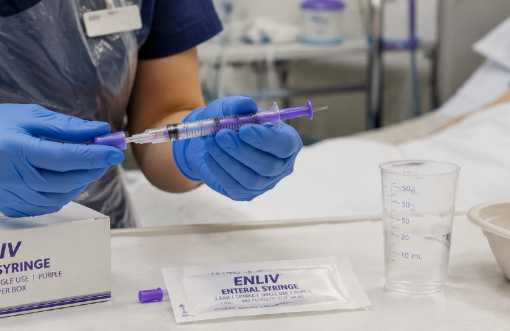
When you’re handling medical tools, you want something that’s simple, reliable, and easy to control. That’s exactly why the 10ml Luer Slip Tip Syringe is widely used across healthcare and laboratory settings.
Trusted suppliers like Livingstone International offer dependable solutions such as the DS100MTEL LIV Syringe 10ml Luer Slip Tip Eccentric Hypo Non-Sterile LS, which you can explore here
This guide will help you understand how a Luer Slip Tip Syringe works, why it’s used, and how it compares to other syringe types, so you can make the right choice for your needs.
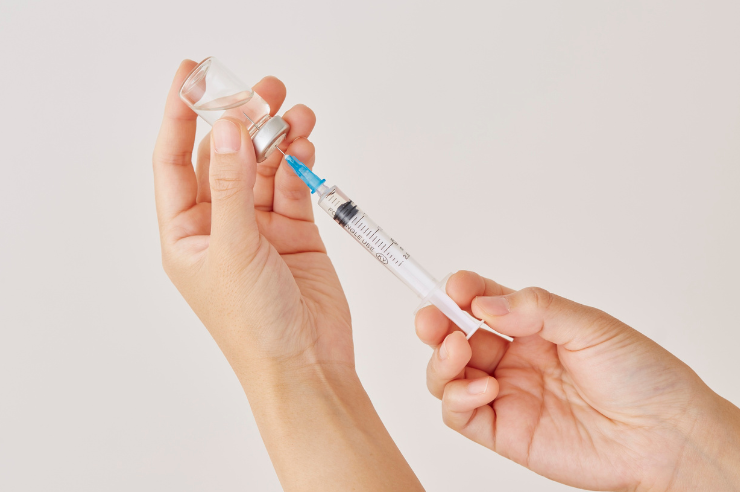
What Is a Luer Slip Syringe?
A Luer Slip Tip Syringe is designed with a smooth, tapered tip that allows you to attach a needle by simply pushing it on. There’s no need to twist or lock it into place.
This design makes it different from a BD 10 ml Luer Lock Syringe, where you need to screw the needle on securely. If you’re looking for speed and convenience, the slip tip design is often the better option.
You’ll commonly find it used as a:
- medical luer slip tip syringe
- bd 10 ml slip tip syringe
- General-purpose fluid handling tool
Main Components of a Luer Slip Syringe
To understand how it works, you need to know what it’s made of. Most syringes follow a simple three-part structure:
1. Barrel
This is the clear tube that holds the liquid. It includes measurement markings so you can control the exact volume.
2. Plunger
The plunger moves inside the barrel. When you pull it back, it draws fluid in. When you push it forward, it expels the fluid.
3. Rubber Seal (Gasket)
This creates an airtight seal, ensuring smooth movement and preventing leaks. In products like the DS100MTEL LIV Syringe 10ml Luer Slip Tip Eccentric Hypo Non-Sterile LS, the design also includes an eccentric tip, which helps you improve accuracy and visibility during use.
How Does a Luer Slip Syringe Work?
The working principle is simple and efficient, making it easy for you to use even in fast-paced environments.
Step 1: Attach the Needle
You push the needle hub directly onto the syringe tip. The connection relies on friction to stay in place.
Step 2: Draw the Liquid
When you pull the plunger back:
- A vacuum forms inside the barrel
- Liquid is drawn into the syringe through the needle
Step 3: Inject the Liquid
When you push the plunger forward:
- Pressure forces the liquid out
- You can control the flow based on how much pressure you apply
Step 4: Remove the Needle
Once you’re done, you can simply pull the needle off. This saves time compared to twist-lock systems.
Advantages of Using a Luer Slip Tip Syringe
If you’re deciding whether this type is right for you, here are some clear benefits.
Quick and Easy Handling
You don’t need to twist anything, which makes it ideal when you’re working quickly.
Versatile Applications
A 10ml Luer Slip Tip Syringe can be used for:
- Medication delivery
- Fluid extraction
- Lab testing
Cost-Effective Option
Compared to locking syringes, slip tip versions are generally more affordable for bulk use.
Luer Slip vs Luer Lock Syringe
Understanding the difference helps you choose the right tool for your task.
- Luer Slip Tip Syringe
- Push-fit connection
- Faster to use
- Suitable for low-pressure applications
- BD 10 ml Luer Lock Syringe
- Twist-lock mechanism
- More secure connection
- Better for high-pressure or critical procedures
If you need speed and convenience, go with a slip tip. If you need extra security, a lock syringe may be better.
Applications in Real-World Settings
Luer slip syringes are used in a wide range of environments.
1. Healthcare
Used for injections, vaccinations, and fluid management.
2. Laboratories
Helpful for transferring liquids and preparing samples.
3. Veterinary Use
Used for administering medication to animals.
4. Home Care
If you’re managing treatments at home, this syringe offers a simple and reliable solution.
Safety Guidelines You Should Follow
Using a syringe correctly is just as important as choosing the right one.
- Make sure the needle is firmly attached
- Do not apply excessive pressure
- Always use a new syringe for each procedure
- Dispose of it safely after use
In Australia, medical devices such as syringes must meet strict safety and quality standards set by the Therapeutic Goods Administration. This ensures that the equipment you use is reliable, properly tested, and safe for both clinical and personal use.
Healthcare data shows that improper handling of sharps significantly increases the risk of contamination and injury in clinical settings.
Conclusion
The 10ml Luer Slip Tip Syringe works through a simple push-fit mechanism that allows you to quickly attach a needle, draw fluid, and deliver it with precision. Its ease of use, affordability, and versatility make it a go-to choice across many industries.
When you choose reliable products from Livingstone International, you’re ensuring quality, safety, and consistent performance, whether you’re in a clinic, lab, or home setting.
FAQs
1. What makes a Luer Slip Tip Syringe different from other syringes?
It uses a push-fit connection instead of a locking system, making it faster and easier to use.
2. Is a 10ml Luer Slip Tip Syringe suitable for professional medical use?
Yes, it is widely used in healthcare, laboratories, and veterinary settings.
3. When should you use a Luer Lock syringe instead?
You should use a BD 10 ml Luer Lock Syringe when you need a more secure connection, especially for high-pressure applications.
4. Are latex-free syringes necessary?
If there’s a risk of allergies, using a Hypoallergenic Latex-Free Syringe is highly recommended.
5. Can you use a Luer Slip syringe without a needle?
Yes, it can be used for oral or irrigation purposes where a needle is not required.
6. How do you ensure safe disposal of syringes in Australia?
You should follow local healthcare guidelines and use approved sharps containers to prevent injury and contamination.