A good waxing routine involves more than choosing a wax. Skin preparation, correct application, appropriate aftercare and attention to ingrown-hair risk can all influence how comfortable the skin feels after waxing and how well it recovers between sessions.
Whether you are a beauty therapist providing professional waxing services or an individual waxing at home, the same basic principles apply. Choose a wax appropriate for the treatment, follow the manufacturer’s directions, use careful technique and allow freshly waxed skin time to settle before introducing products or activities that may cause further irritation.
The Sofeel Strip Wax Rose Deluxe is one option within the Livingstone Strip Wax range. Livingstone also provides a dedicated range of ingrown-hair treatment products for people looking to support their post-wax skin-care routine.
What Makes a Strip Wax Suitable for Professional Use?
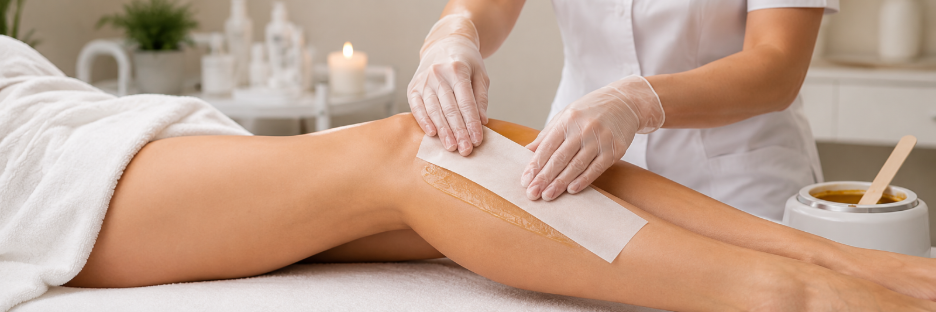
A suitable strip wax should be straightforward to prepare and apply according to its instructions, provide controlled coverage and suit the treatment being performed. For professionals, consistent product handling can support an efficient service routine, while home users benefit from clear directions, careful temperature control and a technique that avoids repeated passes over already sensitive skin.
Strip wax is generally applied in a thin layer and removed using a waxing strip, but the precise heating, application and removal method should follow the manufacturer’s instructions.
Temperature control is particularly important. Wax that is overheated can cause burns, while wax that has not been prepared correctly may be difficult to spread or remove effectively.
Professional waxing services should also incorporate appropriate hygiene procedures. Queensland Health advises that wax used for hair removal and the applicator should be single-use, with single-client wax containers or cartridges and a new spatula used for each client.
Why Do Ingrown Hairs Develop After Waxing and Who Is Most Affected?
An ingrown hair develops when a regrowing hair grows back into the skin. Healthdirect identifies waxing, shaving, tweezing and hair-removal creams as possible triggers because removing hair can increase the chance that new growth turns back into the skin. People with very curly or coarse hair are more likely to experience the problem.
Ingrown hairs commonly appear as red, swollen, itchy or painful bumps. In some cases, inflammation or infection of the hair follicle can develop.
Tight clothing can also contribute by pressing regrowing hair back towards the skin. This can be relevant after waxing areas such as the bikini line, legs or underarms.
Post-wax redness does not automatically mean an ingrown hair or folliculitis is developing. Newly waxed skin may temporarily appear sensitive, so users should observe how the area settles rather than repeatedly touching or treating it unnecessarily.
What Specific Steps Can Help Reduce Ingrown Hairs After Strip Waxing?
Reducing ingrown-hair risk involves allowing freshly waxed skin to recover, limiting unnecessary friction, avoiding picking at developing bumps and using skin-care products appropriately. There is no single routine that prevents every ingrown hair, so aftercare should respond to individual skin condition, product directions and how the treatment area feels.
Allow freshly waxed skin to settle. Avoid aggressive scrubbing or exfoliating while the area remains red, tender or irritated. Follow the wax and aftercare product directions rather than assuming every person should begin exfoliating after a fixed number of hours.
Reduce unnecessary friction. If an area is prone to ingrown hairs, avoid clothing that is excessively tight against freshly waxed skin. Healthdirect identifies tight clothing as one factor that can encourage hair to grow back into the skin.
Keep the skin comfortable. Once the skin has settled, a suitable moisturiser may help maintain skin comfort. Avoid introducing multiple unfamiliar products immediately after waxing if the area is sensitive.
Use ingrown-hair products according to their directions. Livingstone provides a range of ingrown-hair treatment products. Ingredients and directions vary, so each product should be used according to its label rather than applying the same exfoliation routine to everyone.
Do not dig into ingrown hairs. Avoid squeezing, picking or attempting to release deeply trapped hairs with a needle at home. Healthdirect states that ingrown hairs often resolve without treatment and notes that, when required, a doctor can bring an ingrown hair to the surface using a sterile needle.
Seek advice for persistent problems. If an ingrown hair does not resolve, becomes painful, develops pus or repeatedly recurs, medical assessment may be appropriate.
What Is the Correct Immediate Post-Wax Aftercare Protocol for Professionals and Home Users?
Immediate post-wax care should focus on gently removing any residual product, minimising friction and allowing temporary skin sensitivity to settle. There is no universal 24- or 48-hour rule that applies to every person, so aftercare should reflect individual skin response, the treatment area and product directions rather than relying on a rigid timetable.
Remove residue gently. If wax residue remains, use an appropriate after-wax product according to its directions. Avoid vigorous rubbing over recently waxed skin.
Keep the area comfortable. Use only products suitable for freshly waxed skin and discontinue anything that causes burning, increasing redness or discomfort.
Limit additional irritation. While the skin remains sensitive, avoid unnecessary friction, scratching and repeated hair removal over the same area.
Delay exfoliation until the skin has settled. Gentle exfoliation may form part of an ongoing ingrown-hair routine for some users, but it should not be applied aggressively to actively red, sore or irritated post-wax skin.
Watch for persistent reactions. Temporary redness or sensitivity may occur after waxing, but increasing pain, swelling, pus or persistent inflamed bumps should not simply be treated as normal aftercare.
For professional salons, aftercare should sit alongside appropriate infection-control practices. Queensland Health states that waxing products should be used according to the manufacturer’s instructions and provides specific requirements for managing wax and applicators to minimise cross-contamination between clients.
A better waxing routine combines suitable product selection, careful technique and appropriate aftercare rather than relying on a single wax or ingrown-hair product. Understanding why ingrown hairs develop, allowing freshly waxed skin to recover and avoiding unnecessary irritation can help both clients receiving professional waxing services and individuals waxing at home manage the period between sessions more effectively.
For beauty therapists, product selection should be combined with manufacturer instructions, good infection-control practices and clear client aftercare. For individuals waxing at home, careful preparation, appropriate product use and attention to how the skin responds are equally important.
References
Healthdirect Australia (2023) Ingrown hair: treatment, symptoms, causes and prevention. Australian Government. https://www.healthdirect.gov.au/ingrown-hair
Queensland Health (2026) Personal appearance services: legislation. Queensland Government. https://www.health.qld.gov.au/public-health/industry-environment/personal-appearance/services/legislation