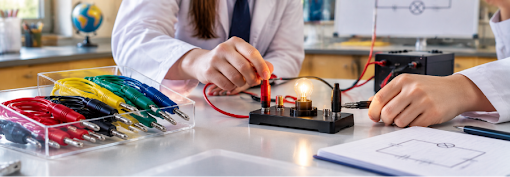
Laboratory safety depends on more than good intentions. It relies on the correct personal protective equipment (PPE) and compliant specimen containers being available, properly fitted and used consistently every single day. Whether in a pathology collection centre, a research facility or a busy clinical laboratory, the risks of exposure to biological, chemical and hazardous materials are real, and the consequences of getting it wrong can be serious. This article explains why PPE and specimen containers form the backbone of laboratory safety, what the law requires, and how to choose products that genuinely reduce risk.
What Is the Role of PPE in Laboratory Safety?
PPE creates a physical barrier between laboratory workers and hazards such as infectious specimens, corrosive chemicals, and sharp instruments. It does not remove the hazard itself but reduces the likelihood and severity of exposure when engineering and administrative controls are already in place.
Gloves, safety glasses, lab coats, and closed-toe footwear are the minimum standard in most laboratory settings. Each item is designed to protect a specific part of the body from a specific type of hazard. Nitrile gloves, for example, offer better chemical resistance than latex and reduce the risk of allergic reaction for both staff and patients. Safety glasses or face shields protect against splashes during specimen handling, centrifugation or pipetting. Lab coats prevent contamination of everyday clothing and slow the spread of hazardous substances if a spill occurs.
Safe Work Australia is explicit that PPE sits low on the hierarchy of controls and should never be relied on as the sole safety measure. It works best alongside proper ventilation, safe work procedures and correctly used specimen containment (Safe Work Australia, n.d.). For laboratories building a compliant safety program, Livingstone’s laboratory safety range covers the core PPE categories needed to meet these obligations.
What Types of PPE Are Required in a Pathology or Diagnostic Laboratory?
Pathology and diagnostic laboratories typically require gloves, eye protection, fluid-resistant gowns or lab coats, and closed footwear as baseline PPE, with additional respiratory protection needed when handling aerosol-generating procedures or high-risk biological samples.
The exact combination depends on a documented risk assessment of the tasks being performed. Venepuncture and specimen collection generally call for gloves and, where splash risk exists, eye protection. Handling unfixed tissue, microbiology cultures, or high-volume blood processing may require additional gowning and, in some cases, respiratory protection. Staff should be trained not only in how to put PPE on, but in how to remove it correctly to avoid self-contamination, and PPE should be replaced immediately if damaged or visibly soiled.
Why Are Compliant Specimen Containers Critical to Laboratory Safety?
Compliant specimen containers prevent leakage, contamination and mislabelling during collection, transport and storage of biological samples, protecting both laboratory staff and the diagnostic integrity of the specimen itself. Poor container choice increases the risk of exposure incidents and compromised test results.
A specimen container is not simply a vessel. It is a safety control. Leak-proof, screw-top designs with secure seals stop biological material escaping during transport, particularly important when specimens are couriered between collection centres and testing laboratories. Wide-necked containers reduce spillage risk during collection, while clear labelling areas support accurate patient identification and reduce the chance of specimen mix-up, a recognised patient safety risk in Australian pathology.
Containers used for urine, faecal or other biological specimens should be single-use, appropriately sized for the sample type, and constructed from materials compatible with any preservatives or fixatives required for the test. Livingstone’s range of specimen and urine containers is designed to meet these practical and regulatory demands across clinical and laboratory settings.
What Happens When Specimen Handling and PPE Standards Are Not Met?
Failing to meet PPE and specimen handling standards can result in worker exposure to hazardous substances, compromised sample integrity, and regulatory penalties, including fines issued under work health and safety legislation.
The stakes are significant. Gaps in exposure control, whether from missing PPE, inadequate health monitoring or poor specimen containment, can lead to genuine harm to workers, including infection, chemical burns or longer-term health effects that may not surface for months or years. These failures also carry serious regulatory consequences, with WHS regulators empowered to issue substantial fines where employers have not met their obligations to identify hazards and put adequate controls in place. Laboratories handling biological specimens face the same underlying obligations around exposure control and correct containment of hazardous or infectious material, regardless of whether the risk originates from a chemical, a pathogen or a mishandled sample.
How Can Laboratories Choose the Right PPE and Specimen Containers?
Laboratories should base PPE and container selection on a documented risk assessment of the specific tasks, sample types and hazards involved, then select products that meet relevant Australian Standards and are readily available in the correct sizes and quantities for consistent daily use.
Fit and comfort affect compliance. Gloves that are too large reduce dexterity and increase the chance of spills, while poorly fitted eye protection may be removed during long shifts. Container selection should account for sample volume, transport distance, and any preservative requirements. Reordering processes matter too. Stockouts of gloves or containers are a common and preventable cause of workers improvising with inadequate substitutes, which undermines the entire safety system.
Where Can Laboratories Find Guidance on PPE Selection?
Laboratories can find PPE selection guidance through Safe Work Australia’s work health and safety resources and through health-specific bodies that publish practical infection control and specimen handling advice for Australian settings.
Healthdirect Australia’s pathology test information outlines how specimens are collected and handled in clinical settings, useful context for laboratories communicating with patients and referring practitioners about collection procedures. Combining this patient-facing guidance with formal WHS resources gives laboratories a fuller picture of both compliance obligations and best-practice specimen handling.
PPE and specimen containers are not administrative box-ticking. They are frontline controls that protect staff from exposure, protect specimens from contamination, and protect laboratories from the regulatory and reputational fallout of a safety failure. Investing in correctly fitted PPE, compliant containers and clear procedures is one of the most cost-effective safety decisions a laboratory can make.
References
Safe Work Australia (n.d.) Personal protective equipment (PPE). (Accessed: 17 August 2026).
Healthdirect (2026) Pathology Tests Explained. (Accessed: 17 August 2026).