Brushing your teeth is something you do every day, but the type of toothbrush you use can affect how comfortable that routine feels. A brush that is too firm or used with too much pressure may leave your gums feeling sore.
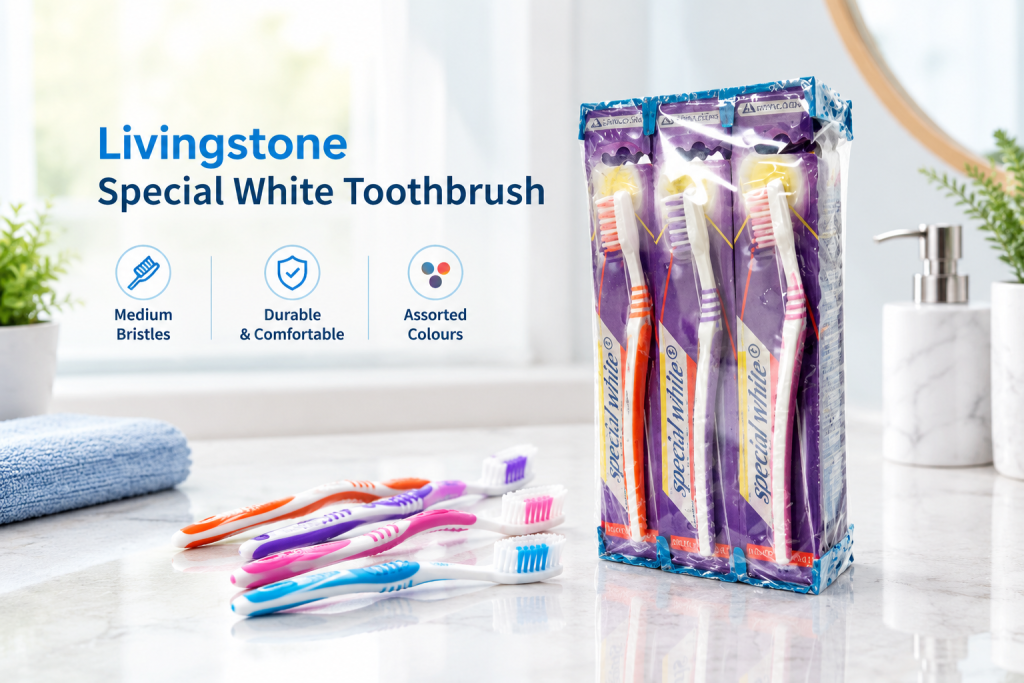
A soft white toothbrush offers a gentler option for everyday brushing. Its flexible bristles can clean around the teeth and along the gumline without needing heavy pressure. The handle and bristle design also play a role in how easy the brush is to control.
Livingstone International supplies a range of personal care and healthcare products, including adult toothbrushes suitable for everyday oral hygiene needs.
Why Does Bristle Firmness Matter?
Toothbrushes are available with different levels of bristle firmness. This affects how the brush feels against your teeth and gums.
A soft toothbrush has flexible bristles that can move around the shape of the teeth. This can make it easier to clean close to the gumline without applying unnecessary force.
Using a firmer brush does not mean you will automatically get cleaner teeth. Brushing technique matters just as much. Pressing too hard can irritate the gums and may cause unnecessary wear over time.
The Australian Dental Association recommends using a soft toothbrush and gentle pressure. The aim is to clean your teeth properly without aggressively scrubbing them.
How Can Soft Bristles Help Protect Your Gums?
Your gums are exposed to the toothbrush every time you brush. If you use excessive pressure, they can become irritated or uncomfortable.
A soft bristle toothbrush can provide a gentler brushing experience. Its flexible bristles can reach the area where the teeth and gums meet while allowing you to use lighter pressure.
However, a soft toothbrush should not be seen as a treatment for gum problems. If your gums regularly bleed, swell or feel painful, speak with your dentist. These symptoms can have different causes and may need professional attention.
Can a Soft Toothbrush Clean Teeth Properly?
Yes. A soft toothbrush can clean your teeth effectively when you use it correctly.
Cleaning does not depend only on bristle firmness. Your technique, brushing time and coverage are also important. You need to reach the outer, inner and chewing surfaces of your teeth.
The gumline deserves attention as well. Plaque can collect in this area, so rushing through your brushing routine can leave some areas untouched.
Rather than pressing harder, use gentle and controlled movements. Give each area enough attention before moving to the next.
Why Should You Avoid Brushing Too Hard?
It is easy to assume that stronger brushing means better cleaning. In reality, excessive pressure is not necessary.
If you scrub your teeth aggressively, you may irritate your gums. Over time, heavy brushing can also contribute to wear on the tooth surface.
Take a look at your toothbrush from time to time. If the bristles become flattened, bent or spread out quickly, it may be a sign that you are applying too much pressure.
Try holding the toothbrush more lightly and letting the bristles do the work.
This small change can make brushing more comfortable without changing your entire routine.
Does the Handle Make a Difference?
Yes. The handle can affect how easily you control the toothbrush.
A comfortable handle allows you to make smaller, more controlled movements. This can be useful when cleaning around the gumline and other harder-to-reach areas.
The Livingstone adult toothbrush features a non-slip handle designed to provide a steady grip during use. This can be particularly useful when you want to avoid gripping the brush too tightly.
A toothbrush should feel easy to hold. If the handle is uncomfortable, it can make everyday brushing less convenient.
What Is the Benefit of Rounded Bristles?
The shape of the bristle tips is another feature worth considering.
Rounded bristles are designed to provide smoother contact with the teeth and gums. This can contribute to a more comfortable brushing experience, especially around the gumline.
However, rounded bristles do not mean you should brush aggressively. Gentle pressure and good technique are still important.
When choosing a toothbrush, consider the complete design rather than focusing on one feature alone.
When Should You Replace Your Toothbrush?
Toothbrushes do not last forever. Regular use eventually causes the bristles to become worn.
Once the bristles lose their shape, the brush may not work as effectively as it did when new. A common recommendation is to replace a toothbrush every three to four months, or earlier if the bristles show clear signs of wear.
You may also need to replace it sooner if the brush has been damaged or the bristles have become badly flattened.
Keeping spare toothbrushes at home can make replacement easier. Multi-packs can also be useful for families, care facilities and organisations that need to maintain a supply of personal care products.
Is a Soft Toothbrush Suitable for Adults?
A soft toothbrush can be suitable for many adults as part of their regular oral hygiene routine.
However, everyone’s dental needs are different. People with sensitive teeth, gum problems, braces or other dental concerns may benefit from specific advice from their dentist.
If brushing regularly causes pain or bleeding, changing the toothbrush alone may not address the underlying problem.
Your dentist can recommend a suitable toothbrush based on your individual needs and oral health.
How Should You Care for Your Toothbrush?
Your toothbrush should be rinsed thoroughly with water after brushing. Remove remaining toothpaste and debris from the bristles.
Store the brush upright and allow it to air dry. Avoid keeping wet toothbrushes pressed against each other, as this can make proper drying more difficult.
You should also avoid sharing toothbrushes. Each person should have their own brush.
For further information about looking after your teeth and gums,Healthdirect Australia provides Australian health information on oral health and dental care.
Why Choose a White Toothbrush?
A white toothbrush has a simple appearance and can work well in a range of personal care settings.
For organisations supplying toothbrushes to multiple people, multi-packs can make distribution and replacement easier. Keeping spare brushes available also means you do not have to wait until an old toothbrush is completely worn before replacing it.
Livingstone International offers a broad selection of healthcare and personal care products. Its adult toothbrush range provides options for different bristle preferences and everyday oral hygiene requirements.
Before ordering, check the product specifications to make sure the toothbrush suits your intended use.
Why Choose Livingstone International?
Livingstone International supplies healthcare, medical and personal care products for professional and everyday settings.
Its toothbrush range can be useful for healthcare facilities, care environments, workplaces and organisations that need to purchase personal care products in larger quantities.
The adult toothbrush product is available in a multi-pack, making it practical when several replacement brushes are required.
By choosing products that are comfortable, easy to use and suited to the intended setting, you can make everyday personal care routines simpler.
Conclusion
A soft white toothbrush can be a practical choice for adults who want a gentler brushing experience. Soft, flexible bristles can help clean the teeth and gumline without requiring excessive pressure.
However, the toothbrush itself is only one part of good oral care. Your brushing technique, pressure, replacement routine and overall dental care habits also matter.
Avoid aggressive scrubbing, replace your toothbrush when the bristles become worn and speak with a dental professional if you experience ongoing gum bleeding or discomfort.
Livingstone International provides a wide range of healthcare and personal care products, including adult toothbrushes in practical pack sizes. Explore the range to find products suited to your personal care or professional supply needs.
Frequently Asked Questions
1. Is a soft toothbrush good for everyday brushing?
Yes. A soft toothbrush can be used as part of a daily oral care routine. Its flexible bristles allow gentle cleaning around the teeth and gumline.
2. Can a soft toothbrush remove plaque?
Yes. A soft toothbrush can remove plaque when used correctly. Gentle brushing, reaching all tooth surfaces and following a regular routine are important for effective cleaning.
3. Can brushing too hard damage your gums?
Excessive brushing pressure can irritate the gums and contribute to tooth wear. Using a soft toothbrush and gentle pressure can make brushing more comfortable.
4. How often should you replace your toothbrush?
A toothbrush is generally replaced every three to four months. Replace it sooner if the bristles become flattened, bent, damaged or noticeably worn.
5. Why are rounded toothbrush bristles useful?
Rounded bristle tips can provide smoother contact with the teeth and gums. They may make brushing feel more comfortable when cleaning around the gumline.
6. Can adults use a soft bristle toothbrush?
Yes. A soft toothbrush can suit many adults. However, people with specific dental conditions should ask their dentist which toothbrush and brushing method best suit their needs.