Medical needles are essential clinical consumables used across hospitals, medical centres, clinics, dental practices and specialist healthcare settings. For procurement teams, choosing the right supplier requires careful consideration of product quality, clinical suitability, regulatory requirements, stock availability and supply consistency.
Different healthcare environments may require specific needle types, sizes and configurations for routine procedures. These can include injection needles, insulin needles, drawing needles, surgical needles and suture needles. A reliable supply of the appropriate products is essential for maintaining efficient clinical operations and effective inventory management.
This guide lists the top 10 medical needle suppliers in Australia, with a focus on the factors that matter to healthcare procurement professionals.
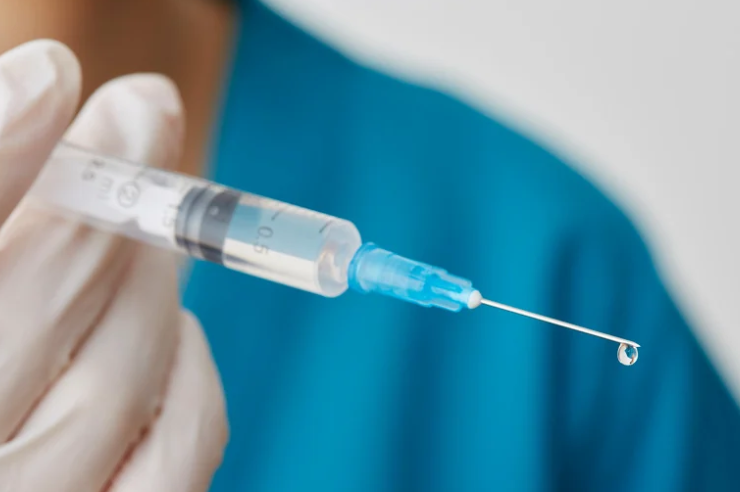
Top 10 Medical Needle Suppliers in Australia
1. Livingstone International
At Livingstone International, we supply a broad selection of healthcare, laboratory, pharmacy and medical consumables for professional users across Australia. Our medical consumables range includes needles, syringes and related accessories designed to support different clinical and procedural requirements.
Our needle and syringe categories include disposable needles, hypodermic stainless-steel needles, dental needles, insulin syringes, spinal needles, bone marrow biopsy needles and other specialised options. We also supply disposable syringes, glass syringes and veterinary syringes.
For procurement teams, having these products available through one established supplier can simplify purchasing across departments. Instead of managing multiple suppliers for basic medical consumables, healthcare facilities can consolidate orders where appropriate.
We also recognise that procurement decisions are not based on price alone. Product specifications, pack sizes, availability and suitability for the intended clinical application all need to be considered.
Our dedicated needle and accessories collection also provides access to products such as needle holders, dermal cannulas, vacutainer holders and other related items.
For healthcare organisations looking for a broad medical consumables supplier, Livingstone International is a practical option to consider.
2. Henry Schein Australia
Henry Schein is a major healthcare supplier with a strong presence across the dental and medical sectors. Its Australian range includes syringes and products from established manufacturers.
Its Australian catalogue includes Terumo hypodermic syringes in several sizes, along with Henry Schein branded sterile Luer Lock syringes and dental syringe options.
For dental practices and healthcare businesses that already purchase other clinical products through Henry Schein, sourcing syringes and associated consumables through the same procurement channel can help simplify ordering.
The supplier’s broader needle and syringe offering also includes products from recognised manufacturers such as Becton Dickinson, Terumo and other medical brands.
This makes Henry Schein particularly relevant for organisations that want access to established brands alongside other medical and dental supplies.
3. McFarlane Medical
McFarlane Medical offers a substantial range of medical needles and syringes for professional healthcare use. Its online catalogue includes products from brands such as BD, B. Braun, Multigate and Terumo.
The range covers different needle gauges, lengths and applications, as well as syringe sizes. The catalogue also includes insulin syringes, spinal needles and other specialist products.
For procurement teams, a supplier with a broad catalogue can be useful when different departments require different specifications. A hospital, medical centre or clinic may need several needle types rather than relying on one standard product.
McFarlane Medical is therefore worth considering when range depth and access to recognised medical brands are important purchasing factors.
4. EBOS Healthcare
EBOS Healthcare provides medical needles and disposable syringes for healthcare professionals across clinical, hospital and aged care settings. Its range covers hypodermic needles, syringe-and-needle combinations, insulin pen needles and related injection supplies.
For healthcare procurement teams, EBOS Healthcare offers a broad range that can support routine clinical requirements as well as specialised applications. Its catalogue also includes sharps disposal containers and products from established medical brands, allowing facilities to source related consumables through the same supplier.
5. Superior Healthcare Australia
Superior Healthcare supplies medical-grade syringes, needles, cannulas and sharps management products to healthcare customers across Australia. Its range includes products from recognised brands such as Terumo, BD, Multigate and Nipro.
Its needle selection includes options such as pen needles and dental needles, while its syringe range includes disposable, oral and insulin-related products.
Another useful feature for procurement teams is the availability of sharps management equipment alongside needles and syringes. This is important because purchasing decisions should consider the full product lifecycle, including safe handling and disposal after use.
For healthcare facilities that want to source injection-related consumables and sharps management products through a single supplier, Superior Healthcare may be a suitable option.
6. Solutions Medical
Solutions Medical supplies a range of medical syringes, hypodermic needles and sharps containers for professional healthcare customers. Its catalogue includes products from Terumo, BD and Nipro.
The supplier serves customers including aged care organisations, hospitals, veterinary clinics and pharmacies, making it relevant to a variety of professional purchasing environments.
Its range includes standard hypodermic needles as well as drawing up needles and sharps disposal products. This broader selection can help facilities manage several related consumable requirements.
For procurement managers, it can be helpful to assess whether a supplier can meet both everyday requirements and more specialised needs. Solutions Medical is one supplier to include in that comparison.
7. Alpha Medical Solutions
Alpha Medical Solutions provides needles and syringes for a range of medical practices. Its catalogue includes insulin syringes, Luer Lock syringes, oral syringes and other syringe formats.
Its needle selection includes products from Terumo, Becton Dickinson, Nipro and Monoject, as well as dental needles and ultra-thin wall needles.
For clinical buyers, access to different needle designs and sizes is important because product selection should always match the intended procedure and clinical requirements.
Alpha Medical Solutions may be particularly relevant to practices looking for a mix of general medical and dental consumables.
8. Wishmed
Wishmed is an Australian medical and laboratory supply business with a dedicated needles and syringes category. Its catalogue includes Nipro hypodermic syringes, Terumo syringes and dental needles.
For healthcare procurement teams, the supplier can be considered where medical and laboratory purchasing requirements overlap.
Its catalogue also demonstrates the value of checking exact product specifications before ordering. Needle gauge, length, syringe capacity, connection type and packaging can all vary between products.
This is particularly important when procurement teams are establishing standardised product lists for different departments.
9. Regional Health Care Group
Regional Health Care Group supplies medical consumables including needles, syringes and IV-related products. Its needle catalogue includes products from manufacturers such as Becton Dickinson, Nipro, Terumo and SOL-MILLENNIUM MEDICAL.
The supplier’s listings provide detailed information such as needle gauge, length, packaging and manufacturer. For professional buyers, this level of product detail can make it easier to compare equivalent products before placing an order.
The supplier is worth considering for healthcare organisations that require clearly specified needle products and access to multiple established manufacturers.
10. ParagonCare
ParagonCare | CH2 is a large Australian healthcare distributor servicing hospitals, primary care, aged care, pharmacy, veterinary and community healthcare markets. The business reports a portfolio of more than 50,000 products sourced from hundreds of recognised suppliers.
Its national distribution capabilities and broad healthcare offering make CH2 relevant for larger organisations that need to manage multiple categories of medical consumables.
CH2 also operates across hospital and primary care sectors, supporting medical centres, dental practices, allied health providers, universities and research laboratories.
For larger procurement teams, the ability to consolidate different healthcare purchasing requirements can be an important consideration.
How To Choose The Right Medical Needles For Your Facility
Selecting medical needles should begin with the intended clinical use. A procurement team should not choose products based only on price or availability.
1. Consider Needle Gauge and Length
Gauge refers to the thickness of the needle. Different clinical applications may require different gauges. Needle length also matters because the appropriate length depends on the intended use and clinical requirements.
Procurement teams should work with relevant clinical staff to establish standard specifications for each application rather than allowing unnecessary variation across departments.
2. Review Sterility and Packaging
For sterile medical needles, packaging should be checked for integrity before use. Procurement teams should also review storage requirements, expiry information and manufacturer instructions.
Single-use products should be managed according to the manufacturer’s instructions and facility infection-control procedures.
3. Compare Medical Needles And Syringes As A Complete System
A needle is not always purchased or used in isolation. Many procedures require a compatible syringe, connector or other accessory.
When purchasing medical needles and syringes, buyers should confirm compatibility between components. Standardising commonly used combinations can also make inventory management easier.
4. Plan Stock Around Clinical Demand
Needle consumption can vary considerably between departments. A vaccination clinic, dental practice, hospital ward and cosmetic clinic may have very different requirements.
Procurement teams should review historical usage, minimum stock levels, lead times and seasonal demand when setting reorder points.
Alongside medical needles, healthcare procurement teams may also need to review their ongoing requirements for disposable gloves and other PPE. Our guide to Top 5 Nitrile Glove Suppliers in Australia provides further information for organisations comparing glove suppliers and purchasing options.
Understanding Injection Needles, Drawing Needles And Insulin Needles
Not every needle performs the same function.
1. Injection needles: These are used with compatible syringes or delivery systems for administering medication or other substances according to the intended clinical application.
2. Drawing needles: Sometimes called a drawing up needle, are designed for drawing medication or fluid into a syringe before administration. They may be selected based on the medication, container and clinical procedure.
3. Insulin needles: They are designed specifically for insulin administration and come in different specifications, so healthcare professionals should select products according to the patient’s treatment requirements and the manufacturer’s intended use.
4. Suture needles and surgical suture needles: Both are different. These products are intended for wound closure and surgical procedures and should not be treated as interchangeable with standard injection needles.
Medical Needle Disposal: What Procurement Teams Need To Consider
Medical needle disposal should be part of the procurement process from the beginning.
Used needles are sharps and need to be handled according to the healthcare facility’s infection prevention, occupational health and waste management procedures. Appropriate sharps containers should be available wherever needles are used.
This is why we recommend that procurement teams consider needles, syringes and sharps disposal products as connected parts of the consumables workflow.
When reviewing a supplier, look beyond the needle itself. Check whether the supplier also provides suitable sharps containers and other related products. This can make stock management easier and help facilities maintain a consistent approach to sharps handling.
Healthcare organisations should always follow applicable Australian, state or territory requirements and their own workplace procedures for medical needle disposal.
Australian Regulatory Considerations For Medical Needle Procurement
Regulatory compliance is an essential part of medical consumables procurement in Australia.
The TGA states that, unless an exemption or exclusion applies, medical devices need to be included in the Australian Register of Therapeutic Goods before they can legally be supplied in Australia. The TGA uses a risk-based classification system when regulating medical devices.
For procurement teams, this means supplier selection should include a review of regulatory documentation and product information rather than focusing only on price.
For current regulatory information, procurement managers can refer directly to the Therapeutic Goods Administration’s medical devices guidance.
We also recommend keeping product records up to date, particularly when facilities use approved product lists, framework agreements or standardised clinical consumable schedules.
Final Thoughts
Finding the right medical needle supplier is about more than comparing prices. Healthcare organisations need products that match clinical requirements, clear specifications, dependable availability and appropriate regulatory information.
The 10 suppliers covered here offer different strengths. Some provide broad healthcare catalogues, while others focus more heavily on medical consumables, dental products, injection supplies or professional healthcare distribution.
At Livingstone International, we believe procurement teams should have access to a broad, dependable range of medical consumables without making the purchasing process unnecessarily complicated. From medical needles and syringes to insulin needles, drawing needles, injection needles and related accessories, choosing the right products starts with understanding your facility’s clinical and operational requirements.
If your organisation is reviewing its current medical consumables suppliers, comparing product specifications, supply arrangements and ongoing procurement support can help you make a more informed decision.
Frequently Asked Questions
1. How can healthcare facilities standardise medical needle purchases?
Start by identifying the needle types and specifications each department regularly uses. Creating an approved product list can reduce unnecessary variations and make ordering and stock management easier.
2. What should buyers consider besides the price of medical needles?
Price is important, but it should not be the only factor. Buyers should also look at product quality, specifications, availability, lead times, packaging and regulatory requirements before making a purchasing decision.
3. How can procurement teams avoid running out of commonly used medical needles?
Reviewing past usage can help identify how quickly different products are used. Setting suitable reorder levels and monitoring supplier lead times can also help prevent unexpected shortages.
4. What should be checked before approving a new medical needle for purchase?
Check the needle’s size, intended use, sterility, packaging, compatibility and manufacturer information. It should also meet the clinical requirements of the department where it will be used.
5. When is it a good time to review a medical needle supplier?
A supplier review may be worthwhile if you experience frequent stock issues, changing lead times, inconsistent service or difficulty sourcing suitable products. Regular reviews can also help ensure your current supply arrangements still meet your facility’s needs.