Walking into a hospital, clinic, or medical lab, you probably notice how clean and organised everything looks. But behind the scenes, healthcare workers deal with many types of dangerous waste every single day. One of the most serious types is cytotoxic waste. If this waste is not handled properly, it can put staff, patients, cleaners, and even the environment at risk.
That is why cytotoxic waste bags are so important.
At Livingstone International, healthcare facilities across Australia trust quality medical waste products that help make disposal safer, cleaner, and easier. From hospitals to pathology labs, having the right waste disposal products can make a big difference in daily safety.
So, when should cytotoxic waste bags actually be used? Let’s break it down in a simple and easy way.
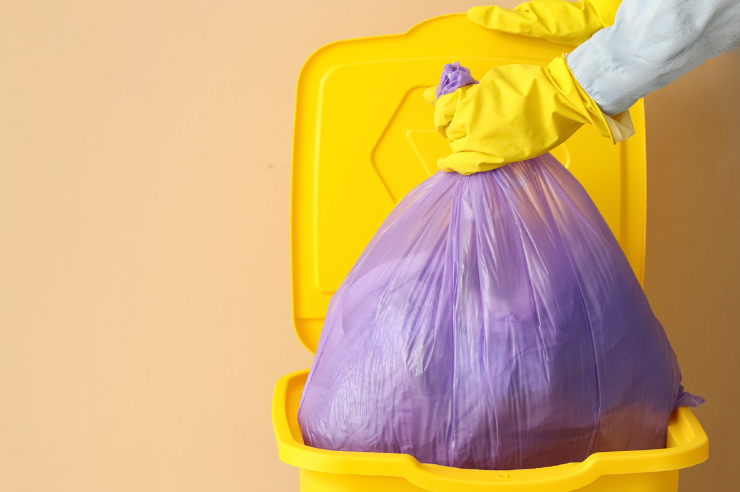
What Are Cytotoxic Waste Bags?
Cytotoxic waste bags are specially designed bags used to collect dangerous medical waste that contains cytotoxic substances. These substances are usually linked to chemotherapy drugs and other medicines that can damage living cells.
Most healthcare facilities use purple cytotoxic waste bags because purple is the recognised colour used for cytotoxic waste disposal in Australia. You may also hear them called cytotoxic purple waste bags or cytotoxic waste colour bags.
These bags are made strong and leak-resistant to safely hold contaminated waste until it can be properly removed and treated.
Why Is Cytotoxic Waste Dangerous?
Cytotoxic materials are not like regular rubbish. They can be harmful if they touch your skin, enter your body, or even spread into the environment.
People working around this waste can face health risks if proper handling steps are not followed. This is why healthcare facilities take cytotoxic disposal very seriously.
Even small amounts of contamination can become a problem. That is why using the correct cytotoxic bag matters so much.
When Should Cytotoxic Waste Bags Be Used?
You should use cytotoxic waste bags whenever waste has been contaminated with cytotoxic medicines or materials connected to chemotherapy treatment.
This includes many different situations in healthcare settings.
1. During Chemotherapy Treatments
Hospitals and cancer treatment centres use chemotherapy medicines every day. Items used during treatment can become contaminated very quickly.
Things like:
- IV tubing
- Gloves
- Gowns
- Syringes
- Masks
- Disposable sheets
should all go into purple cytotoxic waste bags if they have been exposed to cytotoxic drugs.
This helps stop contamination from spreading to other areas.
2. Cleaning Up Cytotoxic Spills
Accidents happen. A medicine bottle may leak or a chemotherapy drug may spill during treatment preparation.
When staff clean up these spills, all used cleaning materials must go into cytotoxic waste bags.
This can include:
- Wipes
- Paper towels
- Absorbent pads
- Protective clothing
- Disposable cleaning items
Using the correct cytotoxic bag keeps cleaners and waste handlers safer.
3. Disposal of Contaminated PPE
Personal protective equipment, also called PPE, is very important when handling hazardous medicines.
But once gloves, masks, gowns, or face shields become contaminated, they cannot go into normal bins.
They should be placed into cytotoxic purple waste bags immediately after use.
4. Handling Waste in Pharmacies and Labs
Pharmacies and laboratories often prepare or test medicines that contain cytotoxic substances.
During this work, waste materials can become contaminated. This may include:
- Medicine containers
- Packaging
- Testing materials
- Disposable lab items
Using cytotoxic waste colour bags helps staff separate dangerous waste from normal rubbish.
5. Disposal of Patient Care Waste
Many people do not realise that patient waste can also contain traces of cytotoxic medicines after treatment.
Items like:
- Dressings
- Disposable nappies
- Vomit bags
- Catheter bags
may need cytotoxic disposal depending on the treatment and hospital guidelines.
Healthcare workers are trained to identify which waste needs special handling.
Why Are Cytotoxic Waste Bags Purple?
You may wonder why these bags are always purple.
The purple colour is used to clearly identify cytotoxic waste. This helps healthcare workers quickly recognise dangerous waste and avoid mixing it with general rubbish.
Colour coding is very important in medical waste management because it improves safety and reduces mistakes.
According to Australian healthcare waste guidelines, proper segregation of hazardous waste is essential for protecting workers and the environment. You can read more about healthcare waste handling on the Australian Government health website: https://www.health.gov.au
Using purple cytotoxic waste bags also makes waste collection faster and more organised inside busy healthcare facilities.
What Happens If the Wrong Waste Bag Is Used?
Using the wrong waste bag can create serious problems.
For example, if cytotoxic waste is placed into a normal rubbish bag, it may expose cleaners, waste collectors, or other staff to harmful materials without them even knowing.
This can lead to:
- Workplace safety risks
- Environmental contamination
- Incorrect waste disposal
- Health hazards
- Legal compliance issues
That is why healthcare facilities train staff carefully on correct waste separation.
A simple mistake can become very expensive and dangerous later.
Features to Look for in Cytotoxic Waste Bags
Not all waste bags are made the same. Good-quality cytotoxic bags should be:
Strong and Tear Resistant
Medical waste can sometimes contain sharp or heavy items. A weak bag may tear easily.
Leak Resistant
Leaks can spread contamination fast. Strong seals and thick materials help prevent this problem.
Clearly Labelled
The bag should clearly show that it contains cytotoxic waste.
Easy to Handle
Healthcare workers use these bags daily. Good designs make disposal easier and safer.
Livingstone International supplies healthcare products designed for demanding medical environments where safety matters every day.
Who Uses Cytotoxic Waste Bags?
Many industries and healthcare services use cytotoxic waste bags regularly.
These include:
- Hospitals
- Cancer treatment centres
- Aged care facilities
- Veterinary clinics
- Laboratories
- Pharmacies
- Medical clinics
Even smaller healthcare providers may need cytotoxic disposal products depending on the treatments they offer.
How Proper Waste Disposal Protects Everyone
Correct waste handling does more than follow rules. It protects real people.
It helps protect:
- Nurses
- Doctors
- Patients
- Cleaners
- Waste disposal workers
- The community
- The environment
When healthcare facilities use the right cytotoxic waste colour bags, they reduce risks and create a safer workplace for everyone.
Small actions like using the correct bag can prevent larger problems later.
Final Thoughts
Cytotoxic waste needs careful handling from the moment it is created until final disposal. Using the correct cytotoxic waste bags helps reduce contamination risks, improves workplace safety, and supports proper healthcare waste management.
Whether you work in a hospital, laboratory, pharmacy, or aged care facility, choosing reliable disposal products matters every single day.
Livingstone International continues to support Australian healthcare providers with dependable medical waste solutions designed for safety, compliance, and daily performance. Quality products like purple cytotoxic waste bags help healthcare teams handle hazardous waste with greater confidence and care.
FAQs
1. What are cytotoxic waste bags used for?
Cytotoxic waste bags are used to collect waste contaminated with chemotherapy drugs or other harmful cytotoxic substances. They help healthcare facilities safely separate dangerous waste from general rubbish.
2. Why are cytotoxic waste bags purple?
Purple is the recognised colour for cytotoxic waste in Australia. It helps healthcare workers quickly identify hazardous waste and reduce the risk of disposal mistakes.
3. Can regular rubbish go into cytotoxic waste bags?
No. Only waste contaminated with cytotoxic substances should go into these bags. Mixing regular waste with hazardous waste can increase disposal costs and create safety issues.
4. Who uses cytotoxic purple waste bags?
Hospitals, cancer treatment centres, laboratories, pharmacies, aged care facilities, and veterinary clinics commonly use cytotoxic purple waste bags for safe disposal practices.
5. Are cytotoxic waste bags leak resistant?
Yes. Most quality cytotoxic bags are designed to be strong, tear resistant, and leak resistant to help prevent contamination during handling and transport.
6. Why is proper cytotoxic waste disposal important?
Proper disposal helps protect healthcare workers, patients, cleaners, waste handlers, and the environment from harmful exposure to dangerous cytotoxic materials.