Clean habits are a big part of staying healthy every day. Whether you are at home, at work, in school, or travelling, keeping your hands and surfaces clean can make a real difference. That is why many people now carry alcohol wipes wherever they go.
Think about how many things you touch daily. Door handles, phones, shopping carts, desks, keyboards, and gym equipment all collect germs throughout the day. You may not even notice it. A quick wipe can help you feel cleaner and safer in seconds.
Today, people want simple hygiene solutions that are easy to use and easy to carry. That is where products from Livingstone International are helpful. Our cleaning and healthcare products are designed for daily convenience and trusted hygiene support.
But what makes alcohol wipes so useful? And why do people use them so often now? Let’s understand in a simple way.
What Are Alcohol Wipes?
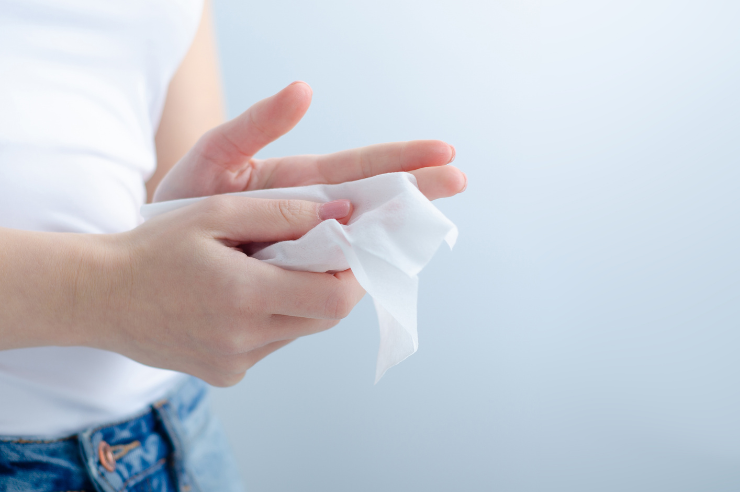
Alcohol wipes are disposable cleaning wipes that contain alcohol solution, usually isopropyl alcohol. They are used to clean hands, surfaces, medical tools, and small everyday items.
Many people prefer 70 alcohol wipes because they are widely used for quick cleaning and hygiene support.
These wipes are popular because they are:
- Easy to carry
- Quick to use
- Disposable
- Convenient for travel
- Useful for daily cleaning
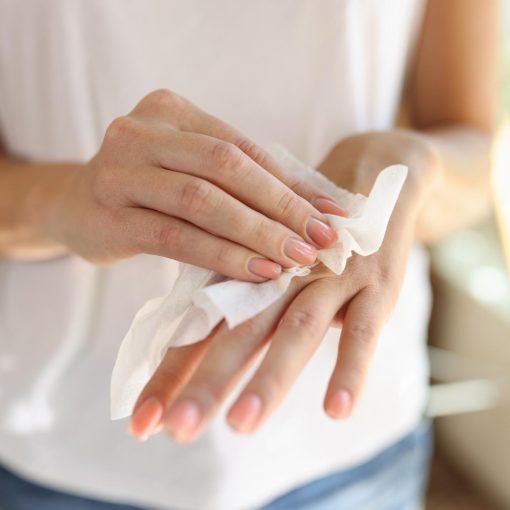
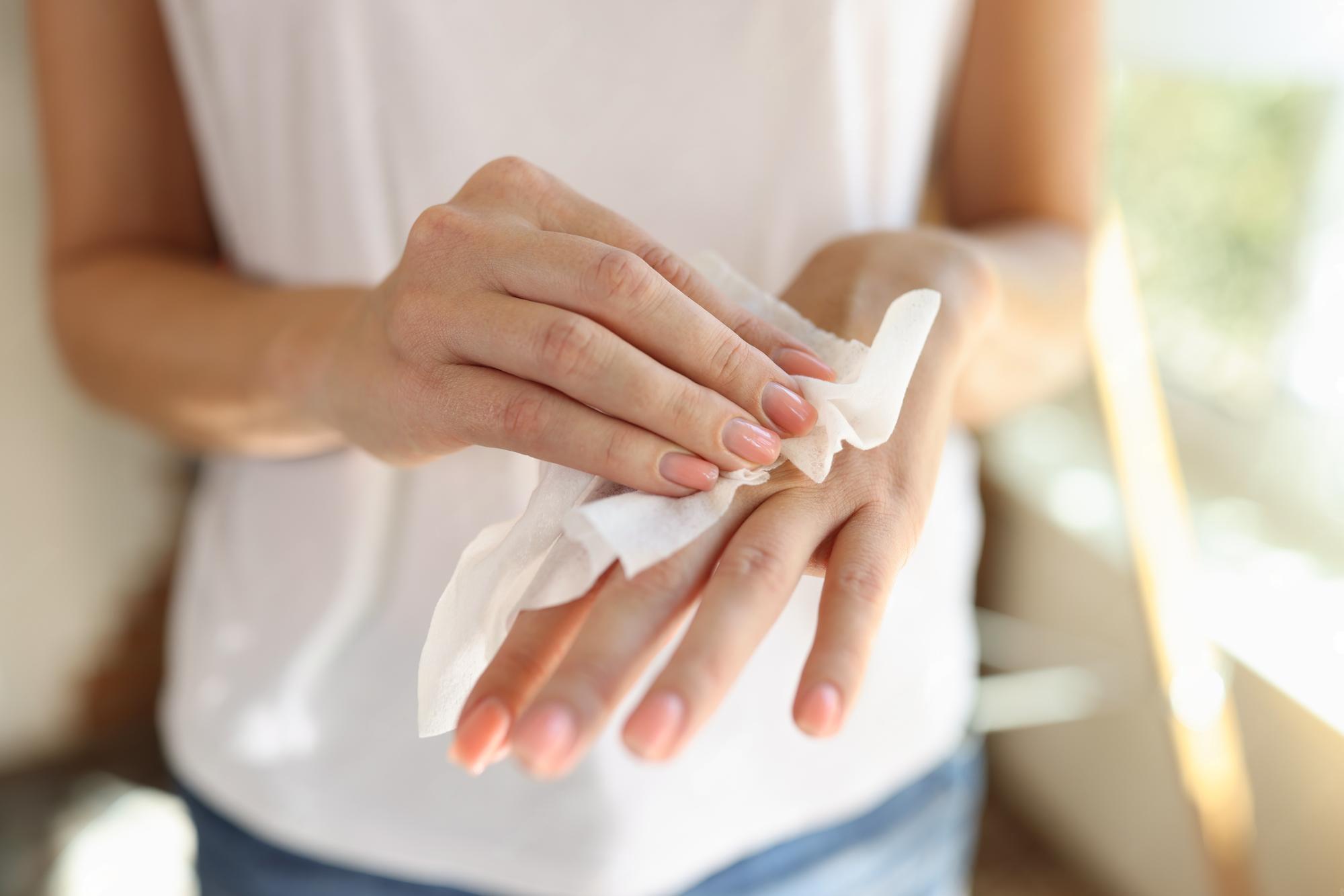
You simply pull out a wipe, clean the area, and throw it away after use.
Simple, right?
Why Good Hygiene Matters Every Day
Good hygiene habits are not only important in hospitals. They matter everywhere.
When you clean your hands and personal items regularly, you help reduce dirt and germs around you. Small habits can make a big difference over time.
For example:
- Wiping your phone after travel
- Cleaning your desk before work
- Wiping gym equipment before use
- Cleaning your hands after touching public surfaces
These habits can help support a cleaner environment around you.
That is why many people now keep wipes with alcohol in their bags, cars, offices, and homes.
Alcohol Wipes Make Cleaning Quick and Easy
Let’s be honest. Sometimes people skip cleaning because they think it takes too much time.
But alcohol antibacterial wipes make the process fast and simple.
You do not need water, soap, or extra cloths. You just open the wipe and clean the surface immediately.
This is especially useful when you are:
- Traveling
- Shopping
- At work
- In public transport
- At the gym
- In schools or clinics
Quick cleaning becomes much easier when wipes are already prepared and ready to use.
Useful for Personal Hygiene
Many people use isopropyl alcohol wipe products for personal hygiene support.
For example, you can use them to:
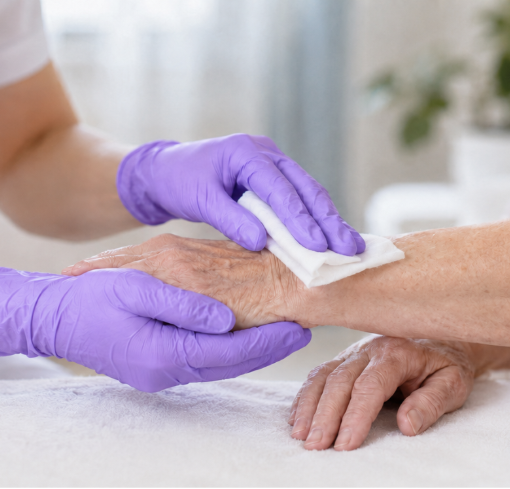
- Clean your hands when soap is unavailable
- Wipe personal items
- Clean glasses or small tools
- Freshen frequently touched surfaces
These small cleaning habits help you feel cleaner throughout the day.
You may even notice that people now keep alcohol wipe tubs at office desks and reception counters because they are convenient for regular use.
Helps Keep Shared Spaces Cleaner
Shared spaces collect germs faster because many people touch the same surfaces.
Think about places like:
- Offices
- Schools
- Gyms
- Clinics
- Waiting rooms
- Reception desks
In these places, regular cleaning matters.
According to the Australian Government Department of Health, cleaning frequently touched surfaces can help reduce the spread of germs in shared environments. Australian Government Department of Health
That is why many workplaces now use antibacterial wipes 70 alcohol products for quick daily cleaning.
Convenient for Travel and Outdoor Use
Travelling exposes you to many public surfaces.
Airports, buses, hotels, taxis, restaurants, and shopping centres are places where many people touch the same things all day.
You cannot always wash your hands immediately. That is why carrying 70 isopropyl alcohol wipes can be helpful.
Many travellers use them to wipe:
- Airplane tray tables
- Phone screens
- Seat handles
- Shopping carts
- Hotel remotes
- Public touch screens
It is a simple habit that helps people feel more comfortable while travelling.
Commonly Used in Healthcare Settings
Healthcare workers use alcohol wipes 70 isopropyl alcohol products very often.
These wipes are commonly used for:
- Cleaning small medical surfaces
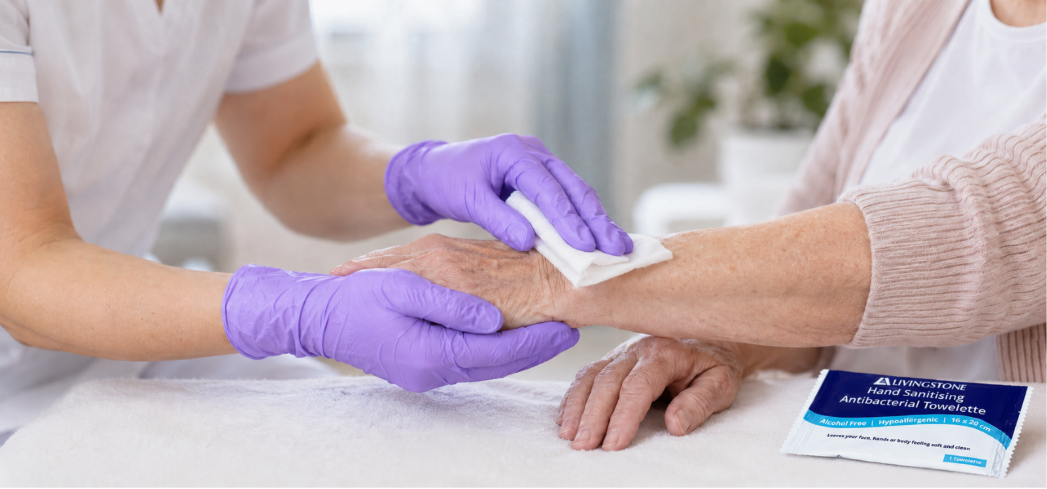
- Preparing skin before injections
- Wiping equipment
- Supporting infection control routines
The Australian Commission on Safety and Quality in Health Care explains that proper hygiene and surface cleaning are important parts of infection prevention. Australian Commission on Safety and Quality in Health Care. This is one reason alcohol wipes are widely used in hospitals and clinics.
Easy to Store at Home
Another good thing about alcohol wipe tubs is convenience.
You can place them almost anywhere, such as:
- Kitchen counters
- Office desks
- Cars
- Bathroom shelves
- First aid kits
- School bags
Because they are easy to access, people are more likely to clean regularly.
And honestly, when cleaning becomes easy, people usually do it more often.
Helps Build Better Daily Habits
Good hygiene is not about doing one big thing. It is about small habits repeated daily.
Using alcohol wipes regularly can encourage cleaner routines in your everyday life.
For example:
- Wiping your workspace every morning
- Cleaning your phone after coming home
- Wiping shopping cart handles
- Cleaning shared electronics
These small actions slowly become natural habits.
And when something is easy to use, people usually stick with it longer.
Why Many People Prefer 70% Alcohol Wipes
You may often see products labelled 70 alcohol wipes or 70 isopropyl alcohol wipes.
Why 70%?
This concentration is commonly used in cleaning and healthcare environments because it is widely recognised for surface hygiene support.
That is why many healthcare and cleaning products use this alcohol level.
Disposable Wipes Feel More Convenient
Reusable cloths require washing after use. But disposable wipes are used once and then thrown away.
This makes cleaning feel easier and quicker for many people.
A luer lock syringe may support safe medical handling, while alcohol antibacterial wipes support quick cleaning habits. Both are important for hygiene in healthcare environments.
People today often choose products that save time while still helping them stay clean.
Conclusion
Good hygiene habits do not need to feel difficult. Simple daily actions can help you maintain a cleaner environment around you. That is why alcohol wipes have become a popular choice for homes, workplaces, travel, and healthcare settings.
They are quick, convenient, easy to carry, and simple to use. Whether you are cleaning your hands, desk, phone, or shared surfaces, these wipes help support better hygiene habits every day.
Livingstone International offers quality 70 isopropyl alcohol wipes designed for convenient daily cleaning and hygiene support. Our products are trusted by healthcare workers, businesses, and everyday users who want reliable hygiene solutions.
FAQs
1. What are alcohol wipes mainly used for?
Alcohol wipes are commonly used for cleaning hands, surfaces, phones, desks, medical tools, and other frequently touched items to support better hygiene habits.
2. Are 70 alcohol wipes good for daily use?
Yes, many people use 70 alcohol wipes daily because they are convenient, easy to carry, and useful for quick cleaning in homes, offices, and public places.
3. Can alcohol wipes help keep shared spaces cleaner?
Yes, alcohol wipes are often used to clean shared surfaces like desks, keyboards, counters, and gym equipment to support cleaner environments.
4. Why are alcohol wipes popular in healthcare settings?
Healthcare workers use alcohol wipes because they are quick, disposable, and useful for cleaning small surfaces and supporting infection control routines.
5. What is the benefit of alcohol wipe tubs?
Alcohol wipe tubs are easy to store and access. They make regular cleaning more convenient at home, offices, clinics, and reception areas.
6. Are alcohol-antibacterial wipes useful while travelling?
Yes, many travellers carry alcohol antibacterial wipes to clean frequently touched surfaces like tray tables, handles, phones, and shopping carts during travel.