Running a veterinary clinic means you rely on the right tools every single day. Whether you’re treating pets, livestock, or exotic animals, having dependable veterinary equipment helps you deliver better care, improve efficiency, and build trust with your clients. If you’re looking to upgrade or set up your clinic, exploring trusted suppliers like Livingstone International can be a smart place to start. You can browse a wide range of essentials here.
Let’s walk through the top veterinary medical equipment every clinic needs, so you can ensure your practice is fully equipped and ready for anything.
1. Examination Tables and Lighting
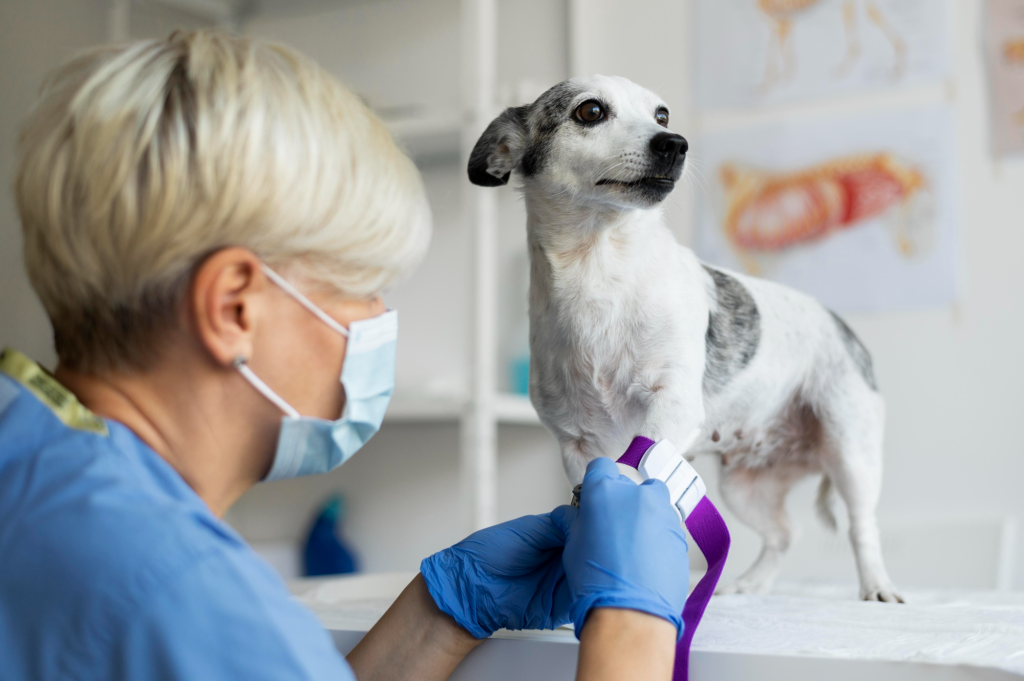
Every consultation begins with a proper examination. A sturdy, easy-to-clean examination table ensures comfort and safety for both you and the animal. Adjustable tables are especially useful when handling pets of different sizes.
Good lighting is just as important. LED surgical and examination lights allow you to clearly see wounds, skin conditions, and subtle symptoms. Without proper visibility, even experienced vets can miss key signs.
2. Veterinary Examination Gloves and Protective Gear
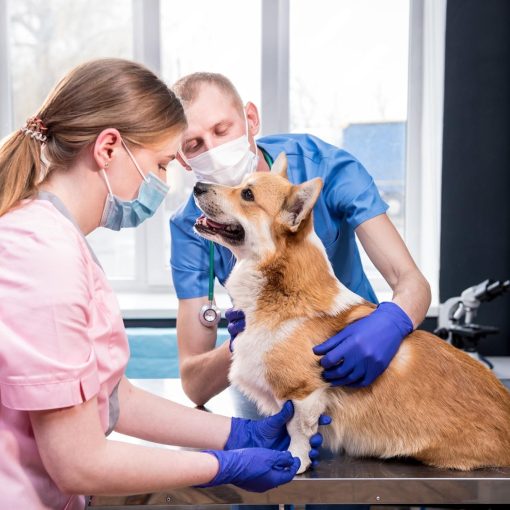
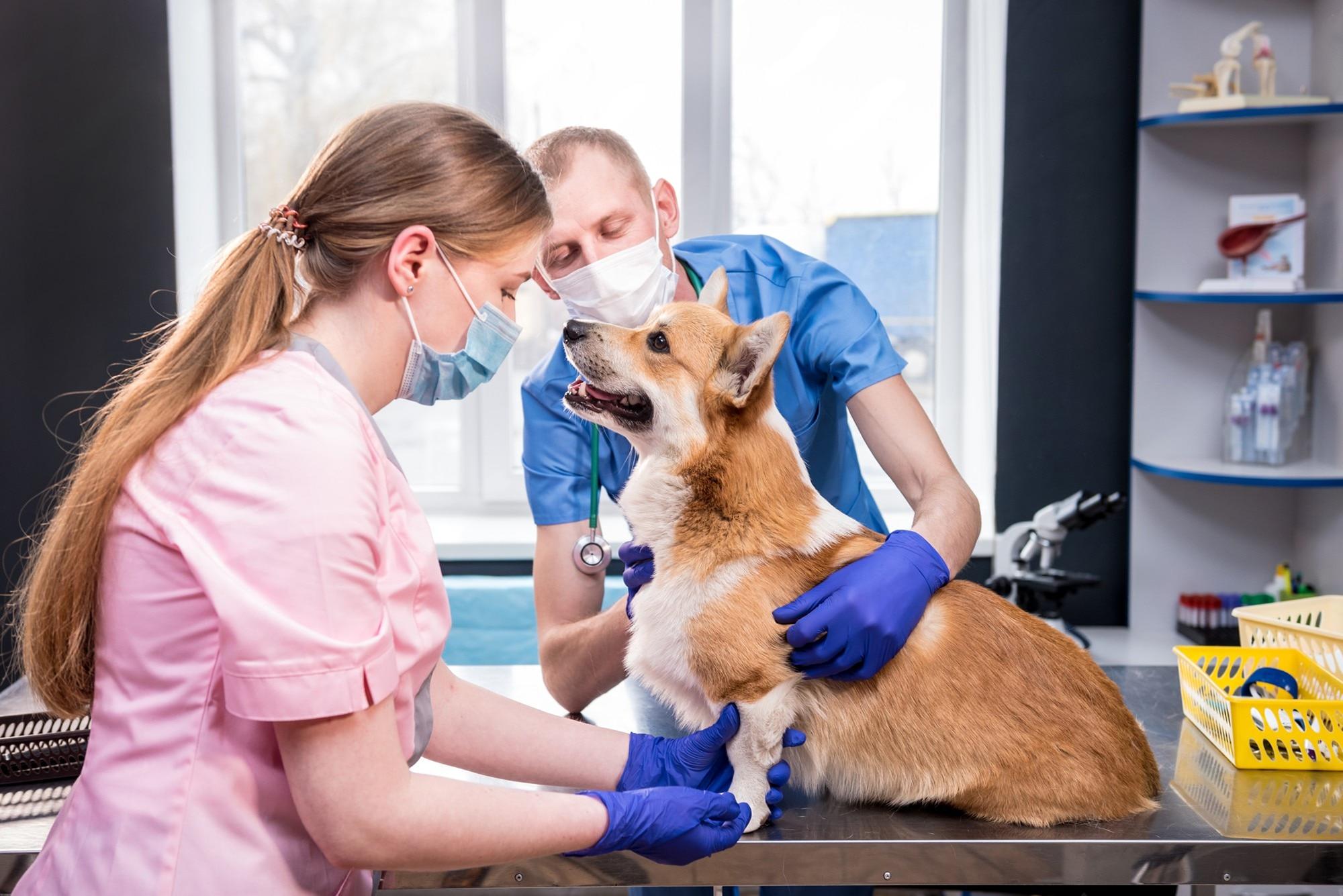
You can’t compromise on hygiene. High-quality veterinary examination gloves are essential for every procedure, from routine check-ups to surgeries. They protect both you and the animal from cross-contamination.
You should also keep:
- Disposable gowns
- Face masks
- Protective eyewear
According to infection control guidelines from the Australian Government Department of Health, proper use of personal protective equipment (PPE) significantly reduces the spread of infectious diseases in clinical environments.
3. Diagnostic Equipment
Accurate diagnosis is at the heart of effective treatment. Your clinic should be equipped with essential diagnostic tools such as:
- Digital thermometers
- Stethoscopes
- Otoscopes and ophthalmoscopes
- Ultrasound machines
- X-ray systems
Modern diagnostic equipment allows you to detect conditions early, which improves recovery outcomes. In fact, early diagnosis can significantly improve treatment success rates, as highlighted in veterinary research resources.
If you’re sourcing veterinary medical supplies, investing in reliable diagnostic tools should be a priority.
4. Surgical Instruments and Sterilisation Equipment
If your clinic performs surgeries, you need a complete set of surgical instruments. This includes:
- Scalpels
- Forceps
- Scissors
- Needle holders
Equally important is sterilisation. Autoclaves ensure all instruments are free from bacteria and safe to use. Without proper sterilisation, the risk of infection increases significantly.
You should also consider ultrasonic cleaners to maintain the longevity and hygiene of your tools. When you supply veterinary services, maintaining sterile conditions is critical for patient safety.
5. Anaesthesia and Monitoring Equipment
Anaesthesia is a key part of many veterinary procedures. You need reliable anaesthesia machines along with monitoring equipment to track vital signs.
Essential tools include:
- Anaesthesia delivery systems
- Oxygen concentrators
- Pulse oximeters
- ECG monitors
These devices help you monitor heart rate, oxygen levels, and respiration. Proper monitoring during anaesthesia has been shown to reduce complication risks.
6. Laboratory Equipment
In-house lab testing helps you make faster decisions. Instead of waiting days for results, you can diagnose and begin treatment quickly.
Your clinic should have:
- Blood analysers
- Microscopes
- Centrifuges
- Urine analysers
Having these veterinary products on-site improves efficiency and enhances the quality of care you provide. It also builds trust with pet owners, as they see quicker results and more accurate diagnoses.
7. Imaging Equipment
Advanced imaging plays a huge role in modern veterinary care. While not every clinic needs high-end systems, having at least basic imaging tools is important.
Options include:
- Digital X-ray systems
- Ultrasound scanners
- Portable imaging devices
These tools help you identify fractures, internal injuries, and organ issues. If you’re working with livestock or large animals, portable equipment can be especially useful.
8. Dental Equipment
Dental health is often overlooked, but it’s a major part of animal wellbeing. Dental disease affects a large percentage of pets, especially dogs and cats. According to the American Veterinary Medical Association, dental disease is one of the most common clinical conditions in adult pets (https://www.avma.org/resources-tools/pet-owners/petcare/pet-dental-care).
You should have:
- Ultrasonic scalers
- Dental drills
- Polishing tools
Regular dental procedures not only improve health but also prevent more serious conditions.
9. Animal Handling and Restraint Equipment
Safety is key when handling animals. Proper restraint equipment protects both you and the patient.
Common tools include:
- Muzzles
- Restraint cages
- Animal carriers
- Catch poles
Using the right veterinary accessories reduces stress for animals and minimises the risk of injury. It also helps you perform procedures more efficiently.
10. Fluid Therapy and Infusion Equipment
Fluid therapy is essential for treating dehydration, shock, and illness. Your clinic should have:
- IV fluid pumps
- Drip sets
- Catheters
These tools allow you to administer fluids accurately and safely. In emergency situations, having reliable infusion equipment can be life-saving.
Why Choosing the Right Veterinary Equipment Matters
When you invest in quality veterinary medical equipment, you’re not just buying tools – you’re improving patient outcomes. Reliable equipment helps you:
- Diagnose conditions faster
- Perform procedures safely
- Maintain hygiene standards
- Build trust with clients
Whether you’re sourcing vet products online or working with trusted veterinary equipment suppliers, always prioritise quality and compliance.
Conclusion
Setting up or upgrading your clinic requires careful planning, but the right equipment makes all the difference. From diagnostic tools to surgical instruments and everyday consumables, every item plays a role in delivering high-quality care.
By choosing dependable suppliers like Livingstone International, you can access a wide range of veterinary supplies in Australia that meet professional standards. Investing in the right veterinary equipment ensures your clinic runs smoothly, your patients receive the best care, and your practice continues to grow. Shop now!
FAQs
1. What are the most essential veterinary medical supplies for a new clinic?
For a new clinic, you should prioritise examination tables, diagnostic tools, surgical instruments, sterilisation equipment, and veterinary examination gloves. These form the foundation of daily operations and patient care.
2. How do I choose reliable veterinary equipment suppliers in Australia?
Look for suppliers that offer certified products, bulk purchasing options, and a wide range of veterinary supplies. Reviews, compliance with Australian standards, and product warranties are also important factors.
3. Why is sterilisation equipment important in veterinary clinics?
Sterilisation equipment like autoclaves prevents infections by ensuring all instruments are free from harmful bacteria. This protects both animals and veterinary staff.
4. Can buying bulk veterinary supplies reduce costs?
Yes, purchasing bulk veterinary supplies helps lower per-unit costs and ensures you always have essential items available, reducing the risk of interruptions in patient care.
5. What role does diagnostic equipment play in veterinary care?
Diagnostic equipment allows you to identify diseases early and accurately. Early diagnosis leads to better treatment outcomes and improved recovery rates.
6. Are digital tools necessary for modern veterinary clinics?
Digital tools are highly beneficial. They streamline operations, improve record-keeping, and enhance communication with clients, making your clinic more efficient and professional.