Ever been cooking or cleaning and suddenly wished you had something to cover your clothes? Happens to everyone. You’re halfway through making dinner, and boom – tomato sauce all over your shirt. Or you’re cleaning the bathroom, and somehow bleach splashes everywhere.
That’s why disposable aprons exist. They’re basic, they work, and they save you from ruining your clothes. But here’s the thing – not all aprons are the same. Some are flimsy. Some leak. Some rip the second you put them on.
So what makes a good one? Let’s figure that out.
What Is a Disposable Apron?
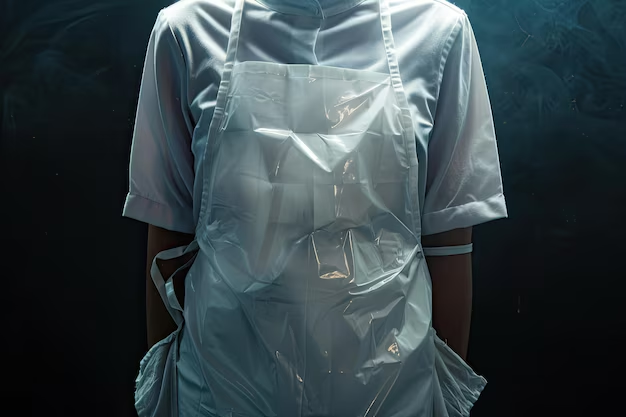
Pretty straightforward. It’s an apron you use once and throw away. People use them at home, in hospitals, restaurants, hair salons – basically anywhere messy stuff happens. Most of them are waterproof and really light. The big difference from regular aprons? You don’t wash them. Just toss them when you’re done.
Picture this. You’re making spaghetti bolognese. That sauce has a habit of going everywhere, right? With a disposable apron on, you don’t care. Cook, finish up, pull the apron off, bin it. Your clothes are still clean. Easy.
Materials Used in Quality Disposable Aprons
Okay, so what are these things made from? The material actually matters more than you’d think. Let’s look at the main ones.
1. Low-Density Polyethylene (LDPE)
This is probably the most common one you’ll see. It’s basically thin plastic, but it’s tougher than it looks. Lots of kitchen and hospital aprons use LDPE.
Why? Because it keeps water out, it’s light, and it bends easily without ripping. When you touch an LDPE apron, it feels smooth and kind of shiny. Liquids just roll right off. Spill coffee on it? Doesn’t soak through. Plus, these are cheap, which is nice when you’re buying a bunch.
2. High-Density Polyethylene (HDPE)
HDPE is basically LDPE’s tougher older brother. It’s thicker and harder to tear. You’ll find these in places that need something stronger – like labs or big commercial kitchens.
They feel a bit stiffer when you wear them, but that’s because they’re built to handle rougher work. If you’re doing something heavy-duty, HDPE is probably what you want.
3. Polypropylene
This one’s different. Polypropylene is softer and lets air through a bit. That makes it more comfortable if you’re wearing it for a while. Hair salons use these a lot. So do cleaning companies and food prep places.
It’s a nice middle ground – you still get protection, but you don’t feel like you’re wrapped in plastic wrap. Way more breathable than the other options.
4. Laminated Materials
Some aprons have multiple layers stuck together. These laminated ones are super waterproof and can handle chemicals without breaking down. If you’re dealing with really messy stuff or strong liquids that might stain, laminated aprons are your best bet.
Medical places and labs like these because nothing gets through them. They’re serious protection.
Benefits of Choosing Quality Materials
You might think, “Come on, it’s just a throwaway apron. Does it really matter?” Yeah, actually it does. Here’s why the material makes a difference:
- Keeps you dry: Cheap aprons let stuff soak through. Your clothes get wet anyway. LDPE or laminated ones? Nothing gets through.
- Doesn’t rip: HDPE or thicker plastics mean your apron won’t tear when you’re moving around.
- Feels better: Polypropylene aprons breathe, so you’re not sweating and uncomfortable.
- Stays clean: Good materials don’t soak up liquids. That means less mess and fewer germs.
Getting the right material isn’t just about staying dry. It’s about making your day easier and less annoying.
Where to Buy Disposable Aprons
So where do you actually get these? Pretty easy, honestly. You can order them online – places like Livingstone have tons of options. Or just check your local supermarket, medical supply shop, or hardware store.
When you’re buying, think about what you need them for. Cooking? Cleaning? Working in a salon? Do you need them thick or thin? Super waterproof or just basic protection? Figuring that out first helps you pick the right disposable apron.
Tips for Using Disposable Aprons
Here’s some quick advice to help you out:
- Check the size first. Most are one-size-fits-all, but make sure it’ll actually fit over your clothes.
- Open it carefully. Don’t rip it before you even put it on. That’s just annoying.
- Tie it snug but not tight. Especially around your neck and waist. You want it secure but comfortable.
- Fold it up and bin it after. Don’t try to flush it down the toilet or burn it. Just throw it in the trash.
- Keep extras around. Messy situations pop up when you least expect them.
- These little things help you get more out of your aprons and make life simpler.
Final Thoughts
Disposable aprons are small, basic things. But they’re genuinely useful. Whether you’re cooking dinner, cleaning the house, or working in a salon, having a good apron means your clothes stay clean and you stay less stressed.
And look, the material actually matters. LDPE, HDPE, polypropylene, laminated – they all do different things. Pick the right one, and you’ll stay dry, comfortable, and not have to worry about spills.
If you want to make your life a bit cleaner and easier, grab some disposable aprons. We’ve got different types for cooking, cleaning, salon work – whatever you need. Don’t let spills and stains mess up your day. Get yourself sorted.