In workplaces where hygiene and safety are essential, disposable gloves play a critical role in protecting both users and those around them. From healthcare facilities and laboratories to food preparation and cleaning industries, gloves act as the first line of defense against contamination and harmful substances. Selecting the right type of glove, whether latex, nitrile, vinyl, or recyclable disposable gloves, ensures optimal protection, comfort, and compliance with safety standards.
This guide explores the importance of disposable gloves, their key types, benefits, and best practices for proper usage, helping you make an informed choice for your professional or personal needs.
Why Disposable Gloves Matter

When you’re at work or visiting a service provider, you expect cleanliness and safety. Protective hand gloves help in several key ways:
- They act as a barrier between your skin and potential hazards (germs, chemicals, fluids).
- They reduce the risk of spreading infection from one person or surface to another.
- When the gloves are recyclable, disposable gloves, or responsibly used, they also help with environmental impact.
Choosing the wrong glove type, or reusing a glove that should be thrown away, can undo all those protections.
Common Types of Disposable Gloves & Their Benefits
Here are the main types of disposable gloves and what they’re good for:
1. Latex Gloves
Made from natural rubber, these gloves offer a snug fit and good tactile feel (you can feel what you’re doing). They’re commonly used in healthcare and lab settings.
Benefits:
- Excellent stretch and fit
- High sensitivity: good for tasks needing precision
Things to watch:
- Some people are allergic to latex
- Not always ideal for chemical tasks unless specifically treated
2. Nitrile Gloves
These are synthetic (not made from rubber) and are strong and versatile. They’re often chosen where allergies or chemical exposure are concerns.
Benefits:
- Lower allergy risk for users compared to latex
- High puncture resistance, good for tougher tasks
- Comfortable for many people
Uses: Around clinics, kitchens, maintenance tasks, and cleaning.
3. Vinyl Gloves
Typically less expensive and looser fitting, vinyl gloves are common in low-risk settings (e.g., food service, light cleaning).
Benefits:
- Cost-effective
- Suitable for short, light-duty tasks
Limitations:
- Less durable or protective compared to latex or nitrile
- Not always recommended in healthcare settings where higher risk exists.
4. Recyclable or Eco-Friendly Disposable Gloves
Increasingly, companies offer gloves that are more sustainable—designed to be single-use, but made with materials or production methods that reduce environmental impact.
Benefits:
- “Disposable” convenience + better environmental credentials
- Good for businesses that care about sustainability
How to Choose the Right Type for Your Needs
When you’re picking disposable gloves for your workplace or home, ask yourself:
- What level of protection do you need?
- Is skin sensitivity or allergy a concern?
- Will the glove be used for long periods or short tasks?
- Do you value sustainability and want eco-friendly options?
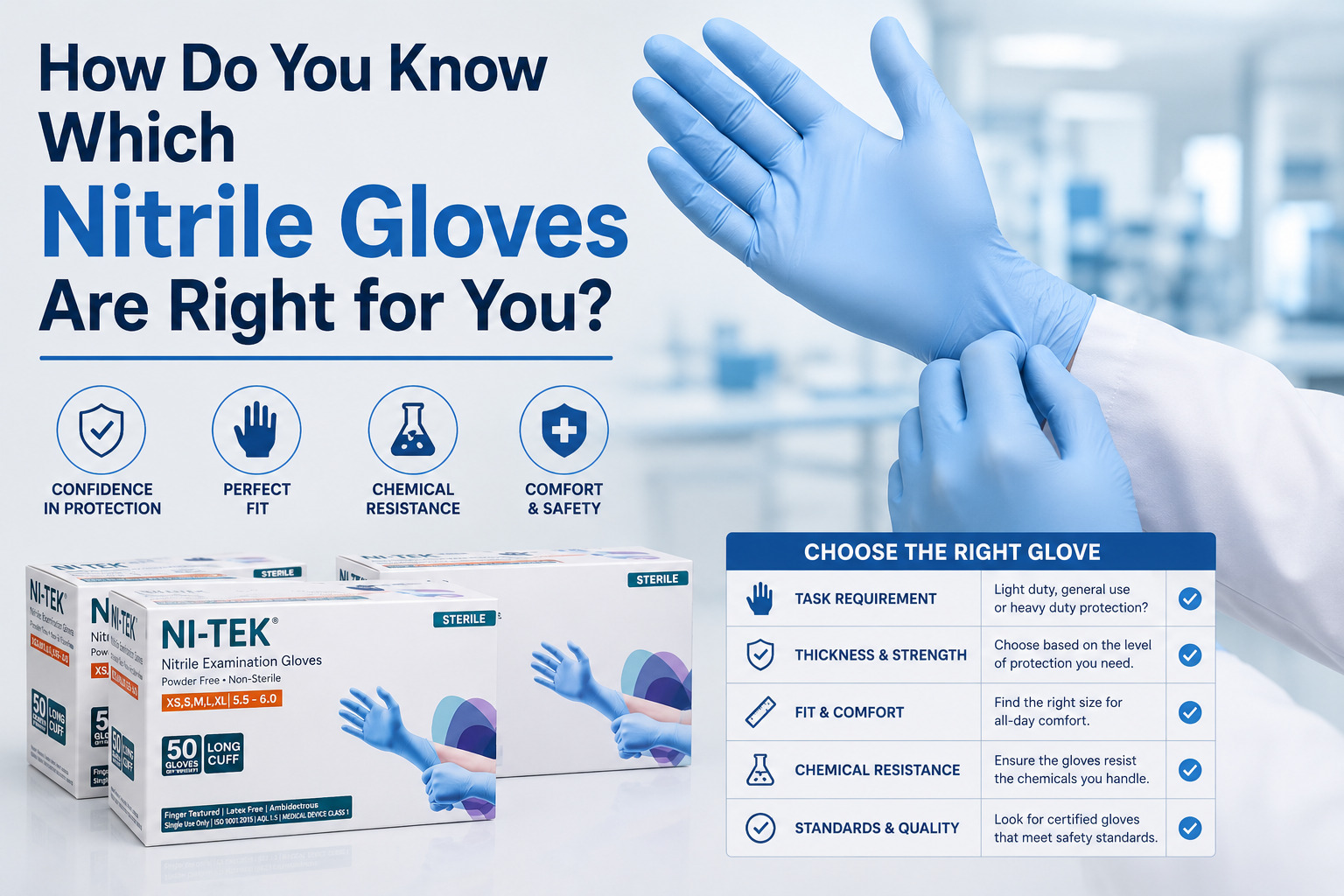
Then match the glove type to your answer: nitrile for tough or medical tasks, latex for precision, vinyl for lighter duty, and recyclable options when sustainability is important.
Best Practices for Using Disposable Gloves
You’ve chosen your gloves, now make sure you use them correctly so they do their job.
- Always wash or sanitise your hands before putting on gloves and after removing them.
- Use a fresh pair of gloves for each new task or person. Don’t reuse gloves.
- Dispose of gloves immediately after use. Single-use means single use.
- Don’t use gloves as a substitute for hand hygiene, the gloves are just one part of your protection system.
Common Misconceptions
- If I wear gloves, I don’t need to wash my hands. False. Gloves can get contaminated during use, so handwashing remains vital.
- Any glove will do the job. No. The glove type must match the risk and task. A vinyl glove might not be sufficient for a medical or chemical environment.
- Gloves can be reused. Absolutely not. Single-use means exactly that. Reusing undermines the barrier and increases risk.
- Eco-gloves are less protective. Not necessarily, but you need to check the product’s protective rating and suitability for your task. Sustainability is an added benefit, not a substitute for protection.
Benefit Summary — For You and Your Team
When you use the right disposable gloves:
- You feel safer and more confident in the environment.
- Your team (if you’re managing a workplace) works with fewer interruptions and fewer risks of infection or contamination.
- You may reduce costs associated with infections, mistakes or glove failures.
- If you choose recyclable disposable gloves, you also improve your environmental footprint, good for your business image and the planet.
Conclusion
Choosing the right disposable gloves is more than picking a box off a shelf. It’s about matching the glove type—latex, nitrile, vinyl or recyclable—to the task at hand, knowing you’re protected, and using them correctly. When you, your staff or your clients rely on you to maintain safe, clean procedures, the glove you wear is part of that promise.
If you’re looking for reliable, high-quality glove solutions and other protective gear, consider exploring Livingstone International. We offer a wide range of gloves and protective equipment designed for professionals in Australia. Visit our website to see the full range and choose the gear that you and your team can trust, because protection matters every day.